



In The Garden
It seems like just yesterday we were suffering our way through ice and power outages delivered by Winter Storm Fern but here we are in the Dog Days of summer. These lazy summer afternoons trigger fond memories of long-ago summers back home in the Carolinas. Especially of hot, humid Sundays where, after Sunday dinner (lunch) and a siesta to allow it to digest, we usually turned a freezer of homemade ice cream. Neighbors would walk up with their yard chairs and a ring would form around the ice cream freezer as if it was a campfire. Conversation and laughter would go on until dusk which is when mosquitoes would usually drive everybody back inside. Something’s gone out of life since then.
Late summer is a period of transition and relaxation for most of us. It’s too flaming hot and humid to do much outside during the day. But, it’s also time to start thinking about cool season plants in our gardens and landscapes, and to think ahead to winter ’26-’27.
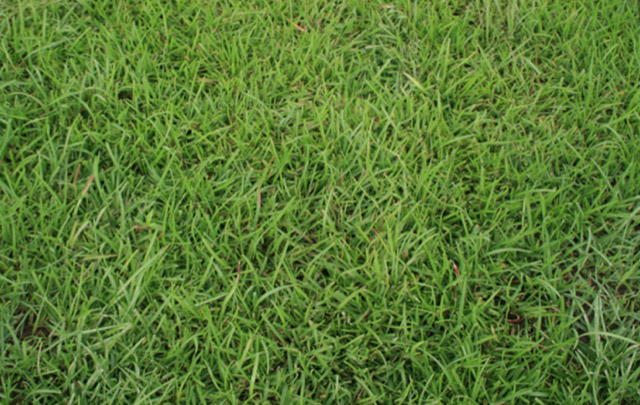
LAWNS
Consistent, but not necessarily frequent, watering is helpful to lawns during these hottest months when rain events are few and far between. Remember, our Deep South turfgrasses photosynthesize like sugar cane and corn and use water more efficiently than other plants. So, don’t assume that more water is better. Longer, less frequent watering will provide sufficient water to the deepest roots. Overwatering may lead to fungal pathogens such as that which causes “brown patch.” Water lawns when: 1) leaf blades curl inward, 2) foliage has a grey sheen to it, and 3) footprints are visible after walking across the lawn. Water between the pre-dawn and early morning hours. Fertilize with 1 pound of nitrogen per 1,000 square feet. Use 7 pounds of 13-13-13 or 12 pounds of 8-8-8 to apply one pound of nitrogen per 1,000 square feet of lawn. Fertilizer applications should also slow down starting this month because turfgrasses are already gearing up to go dormant in fall. The changes are happening metabolically, chemically, even if your lawn is still lush and green now. Less frequent mowing will also help lawns during late summer. Raise the blade on mower by an inch. More shoot system above ground will mean more healthy roots below ground. And these roots will be able to reach water and nutrients more efficiently.
VEGETABLE GARDENS
Vegetable gardens have generally slowed production during these summer months. High heat and humidity affect both fruit production and pollination. Okra, field peas, eggplants, and hot peppers will tolerate mid- and late-summer temperatures better than most other vegetables. Production in indeterminate tomatoes, squash, and cucumbers may pick up again in late summer or early fall if pests have been well-controlled and temperatures moderate. Powdery mildew is commonly seen on squash, cucumbers and other melons during August. A broad-spectrum fungicide is recommended if infection is heavy. Fall tomatoes can be transplanted in later this month. Determinate, heat-tolerant varieties for our region include ‘Phoenix,’ ‘Sun Chaser,’ ‘Sun Leaper,’ ‘Solar Set,’ and ‘Sun Master.’ Seeds of cole crops such as broccoli, Brussels sprouts, cabbage, and cauliflower can also be started this month for transplanting later this month. Mustard greens, collards, and turnips can be direct seeded in late August to get a jump on the fall harvest. A second crop of squash and Irish potatoes can be started in mid-August if seed potatoes were saved from the spring crop.
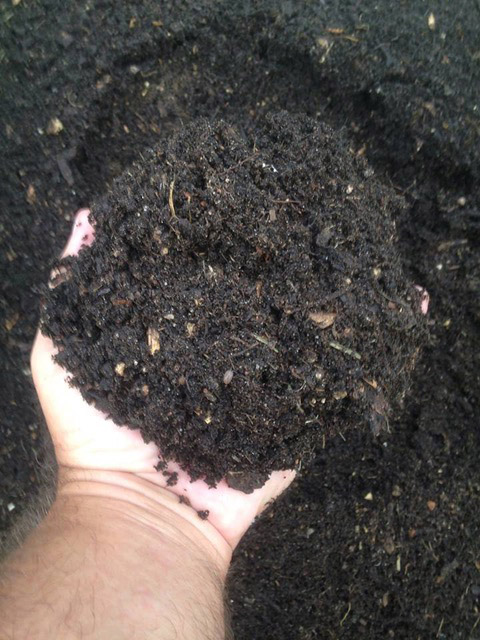
Continue building and turning compost piles as decomposition rates will be highest in mid- and late summer. The pile should steam when opened in the middle and the cooking compost will feel warm to the touch. Lawn clippings and plant-based kitchen scraps, including paper towels and coffee filters, are wonderful additions to the compost pile. Finished compost will have the texture of crumbly soil and can be harvested as needed or harvested and stored in a container for later use. Put holes in the side of the container for aeration. Be taking full advantage of summer herbs. Basil, oregano, thyme, and any of the mints should be in full production and their flavors far superior to dried herbs from the supermarket. Put a spring of fresh spearmint in your sweet tea!
TREES AND SHRUBS
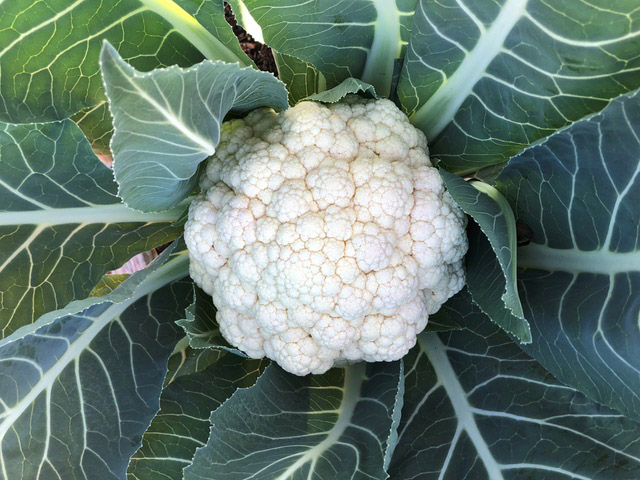
The effects of Winter Storm Fern on trees in the ArkLaMiss landscape will be seen for a while. Trees were already stressed prior to Fern, and the big ice storm added insult to injury. Keep an eye on specimen trees in the landscape as they begin the process of going to sleep. Daylight hours are decreasing and deciduous trees are responding accordingly whether they look like they are or not. Notice things like large pieces of bark coming off, or sawdust around the base of the tree or in the crotches of branches, sudden and premature leaf drop. Also notice if bracket fungi or shelf mushrooms are growing out of the trunk or branches. These are the spore-producing bodies of a fungus that is internally digesting the carbohydrates that make up the tree’s body. The presence of shelf fungi does not bode well for a tree’s long-term health. Gaping wounds left by ice-laded branches will be portals of entry for fungal spores and wood-chewing insects.
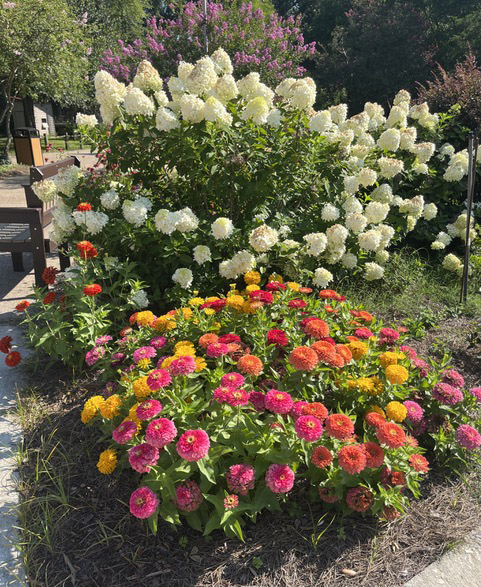
I don’t know about you, but I have seen more Paniculata Hydrangeas showing out this summer than ever before. These are hydrangeas like ‘Limelight,’ ‘Little Lime,’ ‘Limelight Prime,’ and what have you. They really take full sun in our area and as they slow flowering down now into early fall, those huge panicles of flowers (hence their name) can be used indoors in flower arrangements. Paniculata Hydrangeas provide both vertical interest and a canvas of white flowers that other lower-growing colors can be bounced off of for three-dimensional interest. The white foundation can be brought down low by incorporating ‘Little Lime’ with other colors provided by Louisiana Super Plants like ‘Dragon’s Breath’ Celosia and ‘Serena’ Angelonia until time for cool season color. Keeping flowers beds mulched will help conserve water and keep the soil temperature near the surface regulated. If possible, use either drip irrigation or soaker hoses made out of recycled tires. This way, water is delivered exactly to where it needs to go, the roots, and stay off the foliage which may cause fungal problems.
HOT WEATHER SAFETY
I know I’m preaching to the choir here but don’t put your personal health at risk because you think a branch on a shrub needs to be pruned back during the hottest part of the day. It can wait. Try to get your gardening chores done either in the early morning or late evening hours. Stay hydrated by drinking water. Don’t wait until you’re thirsty. Myself, I’m a sweater. I don’t merely perspire. I sweat! I try to replace what I sweat out by drinking water frequently when I’m working outside during an ArkLaMiss summer. You should, too. Take frequent breaks. Don’t conquer the world in an hour. Sit in the shade or go inside for a short while. Wear light-colored clothing that reflects heat and sunlight. And, stay inside during the hottest portion of the day.
We all love to garden and work outside.
But we want to be able to do it for as long as possible!
Be safe out there!