



Bayou Icons | Mike and Jerod Smith
ARTICLE BY MEREDITH MCKINNIE
AND PHOTOGRAPHY BY KELLY MOORE CLARK
For more than four decades, Mike Smith built his business on hard work, trust and taking care of people. Now, his son Jerod is following in his footsteps, carrying those same values into the next generation.
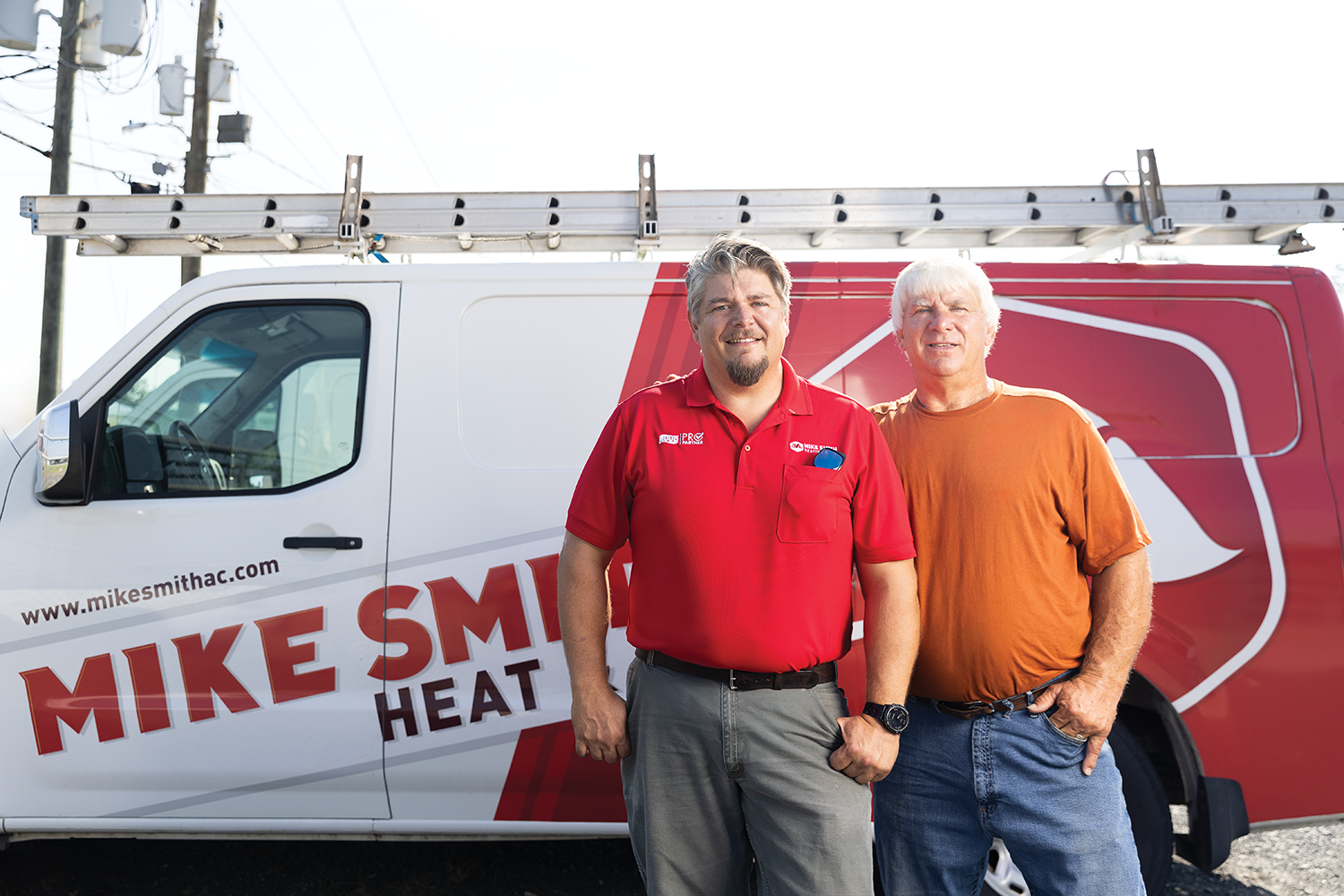
When Jerod Smith was a little boy, he would ride along on Mike Smith’s service calls. He was small enough to sit on the floorboard and carry a flashlight while his dad worked. Jerod remembers watching his father’s feet as they moved around a job site and trying to place his own feet in dad’s imprints. He didn’t know it then, but he was learning more than how to hold a flashlight or follow someone through a house. He was watching his father work, learning what it meant to show up, solve problems, and take care of people. More than four decades later, Jerod is leading the business his father built. Mike Smith started his business, Mike Smith Heating and Air Conditioning, in 1983 when he was just 22 years old. Today, after 42 years in the trade, Mike is retired, and Jerod has officially taken over the company. The transition represents more than a change in leadership. It is the continuation of a family philosophy built around hard work, responsibility, and caring for people.
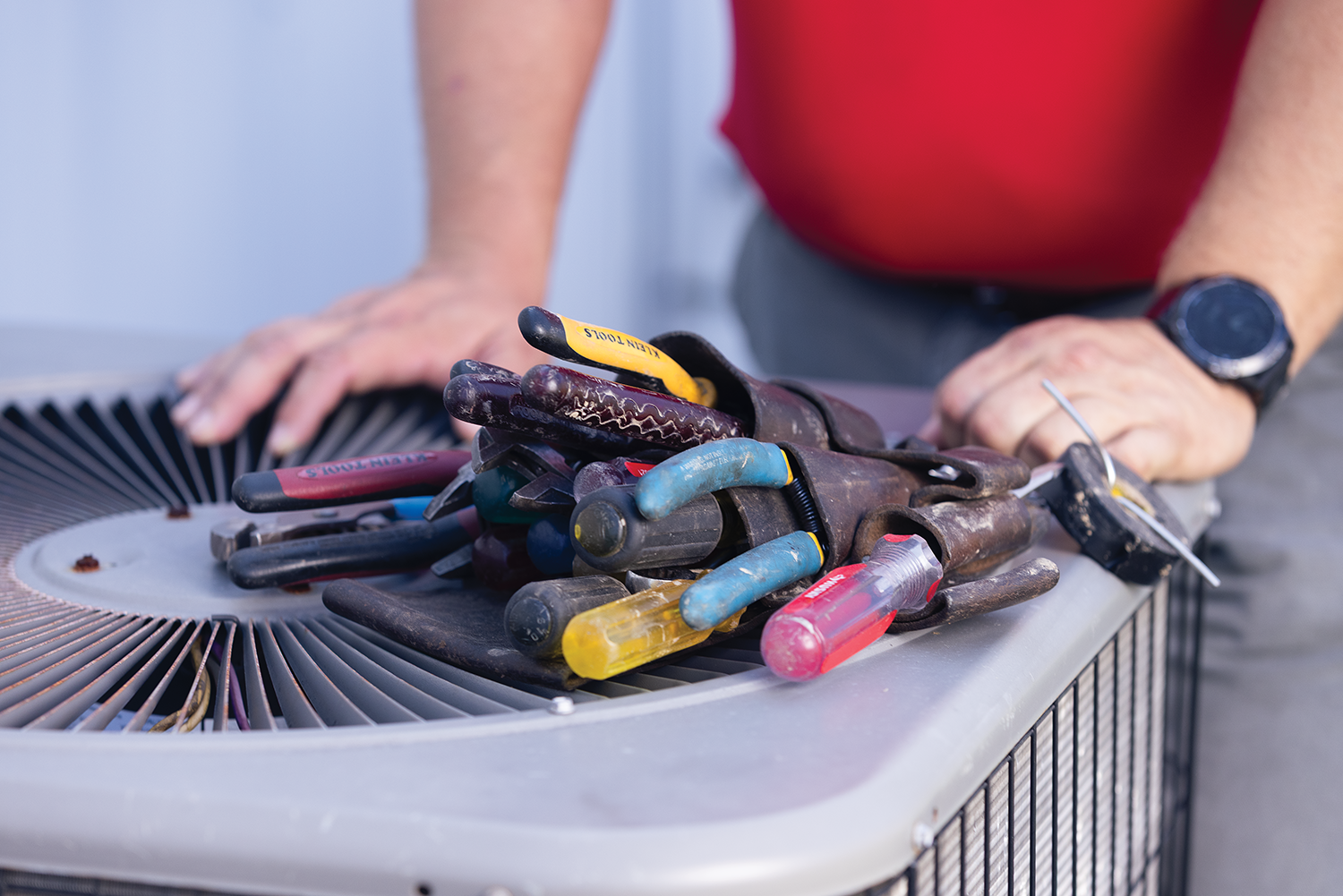
Mike’s own path into the air conditioning business was hardly planned. He went to trade school to learn a practical skill and get a head start on his career. After taking the entrance exam, he scored well enough that instructors wanted to put him in advanced electronics. They walked him through the electronics department, showing him the equipment. Mike wasn’t impressed with his own prospects. “I can’t even spell electronics,” he remembers thinking. An instructor suggested he look at the air-conditioning program across the hall. Mike agreed to give it a try, a decision he now jokes amounted to betting his entire career on a two-minute conversation.
While still in high school, he focused entirely on air conditioning. One of Mike’s most important influences during that time was his instructor, Pete Deshe. Mike remembers him as one of the most intelligent men he has ever known, but the impression went beyond technical knowledge. Deshe modeled punctuality and neatness, standing up straight, looking people in the eye. He taught Mike to take pride in himself and his work. Those lessons stayed with Mike.
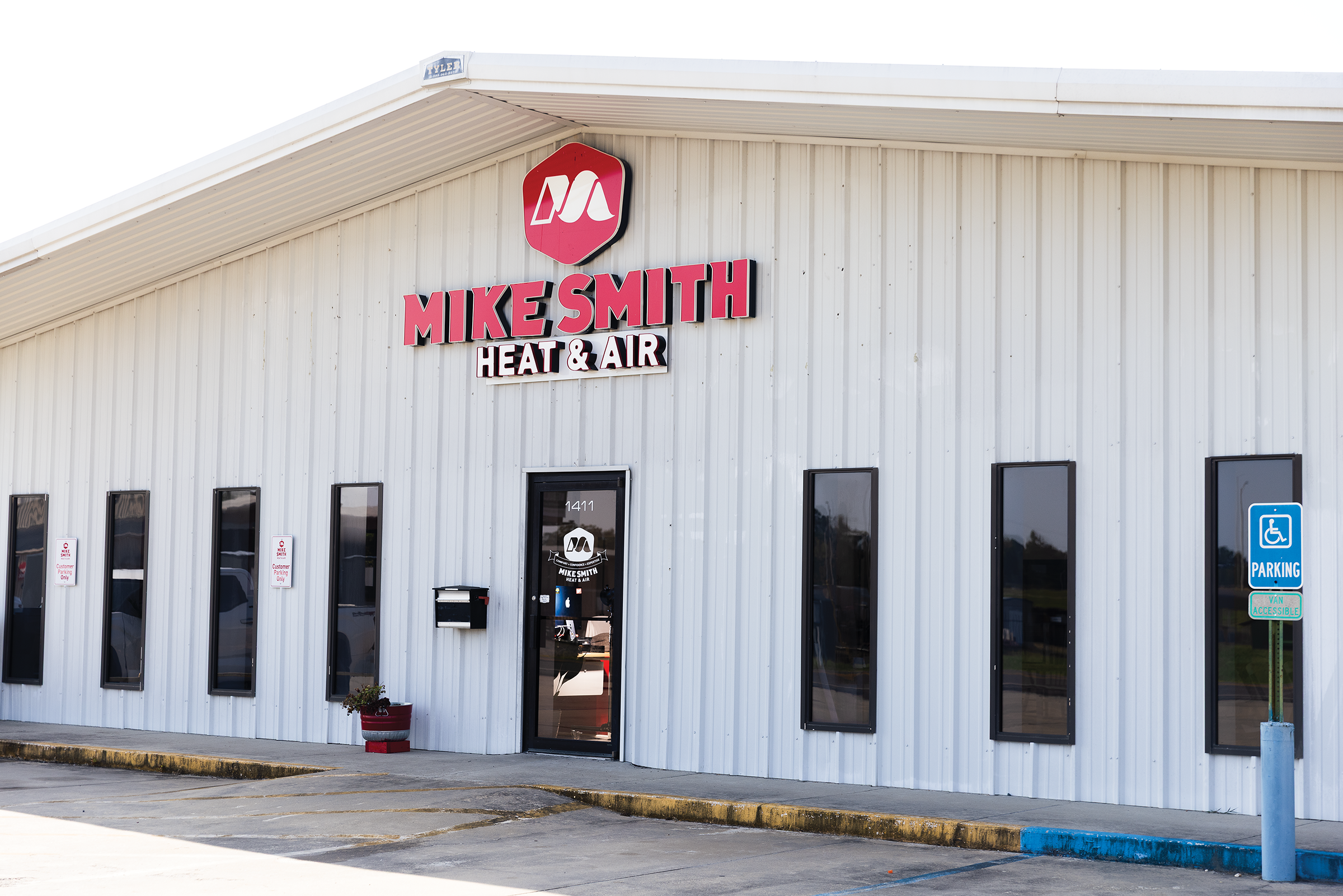
After trade school, Mike went to work for Dumas Air Conditioning, where he spent four years learning the business. At this point, he was married with three children and wanted to provide more for his family. He knew he didn’t know everything about running a business, but he wanted to try. At only 22 years old, he stepped out on his own. The early days were uncertain. Mike initially entered into a partnership with no paycheck for the first 2-3 weeks. The business was bringing in work, but the money had not made its way back around yet. Then things began to turn. Customers started calling. Jobs began coming in. And the business found its footing. Four years later, in 1987, Mike bought out his partner and took sole control of the company.
Mike is a Christian and credits his faith with giving him the confidence to make the financial leap. He believed God would take care of him. Looking back, he knows how young and inexperienced he was, but stepping out in faith was the beginning of everything that followed. Mike also built trust with customers, understanding that the service business depended on something that couldn’t be put on a balance sheet. He made sure to do what he said he would do when he said he would do it. If he told a builder a job would be ready, he worked ahead to make sure he was prepared. If anything went wrong, he went back and made it right, despite the inconvenience. Mike charged fair prices and ensured customers understood exactly what they were getting. Over time, that consistency became his reputation. Customers trusted Mike enough to leave keys under the mat and a blank check on the kitchen counter, insisting he come in and take care of the problem. That kind of trust doesn’t happen because of an advertisement; it’s earned over years.
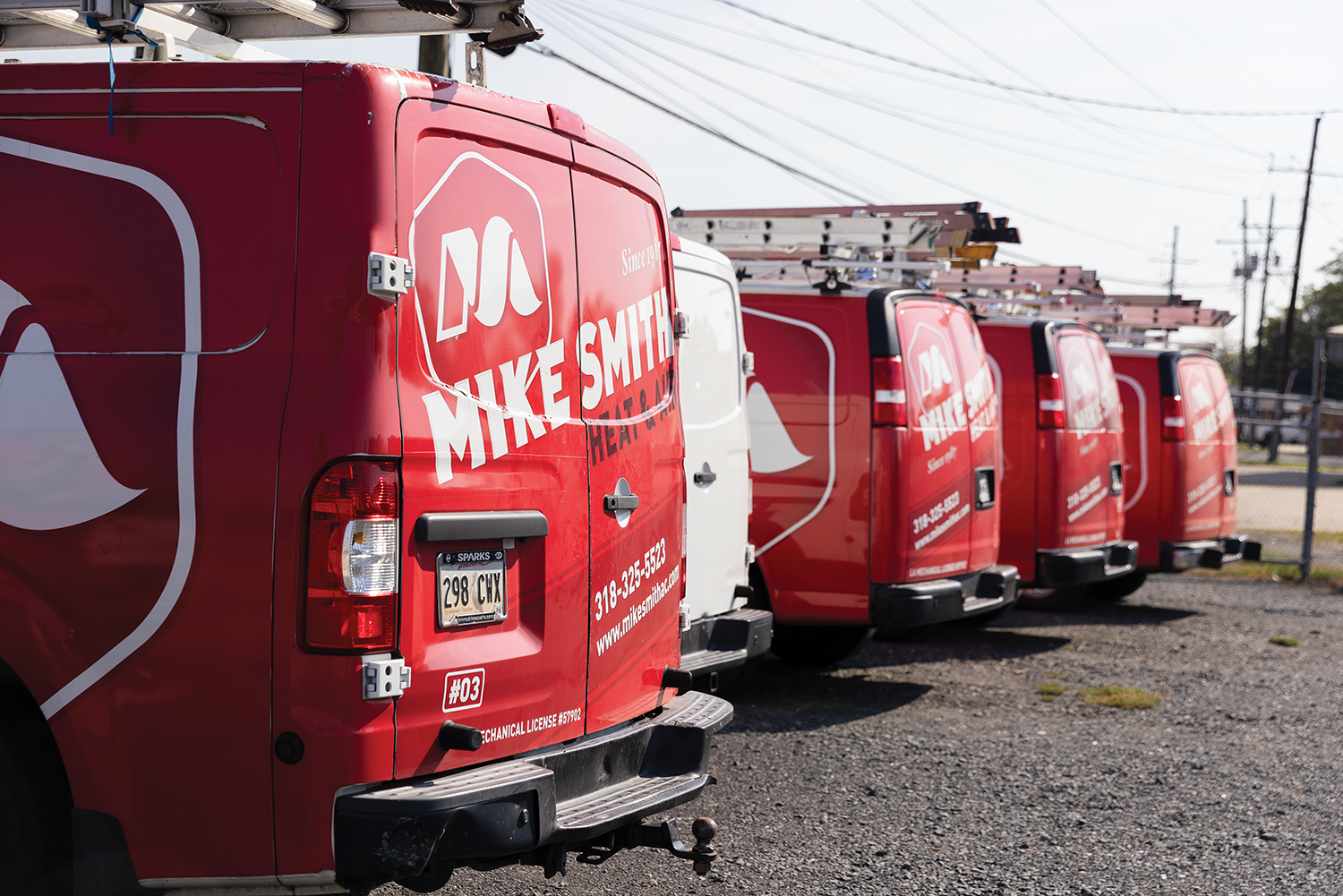
Mike’s customer relationships have lasted decades. He worked for builders throughout Northeast Louisiana and beyond, including R.W. Campbell, Trey Banks, Eddie Hakim, James Wiggins, and Keith Martin. He worked on homes in Lincoln Hills and Maison Orleans subdivisions and did extensive work in Frenchman’s Bend, including the clubhouse. Over the years, he didn’t simply set up home AC systems for individual customers. He worked on the homes of their children and grandchildren, sometimes serving three or four generations of the same family. For Mike, that was the real reward. He developed routines to reinforce trust with customers. At the end of a job, he would go back over the work with the customer, explaining that everything had been completed as promised. He asked for questions, concerns, or anything that could have been done better. It was Mike’s way of letting people know he cared.
Mike prioritized availability. If a customer’s AC went out at midnight, Mike always answered the phone. If someone needed help on the weekend, Mike went. He jokes that nobody is angry to see him in the middle of the night when they’re hot. For years, he gave whatever the job required. But there was another side to that level of commitment, one that Mike speaks about more openly now than he did when he was living it. He missed family time. There were 16-hour shifts, particularly during the early years. There were missed baseball games and family moments he experienced through video recordings. “If I had it to do again, I wouldn’t. There isn’t a dollar bill worth it on earth to miss your family time because you only have a certain window.” That realization has become part of the legacy he is passing to Jerod.
Mentors including Walter Lindstrom and Shelton Collins modeled a solid work ethic for Mike. They also attempted to demonstrate the importance of life balance. Lindstrom introduced Mike to duck hunting and fishing, but also taught him the satisfaction of learning something new. Collins was another strong influence, a skilled craftsman and Christian with high standards, the kind of man who expected first-class work. Those men, along with others, influenced Mike throughout his life and helped shape the standards he eventually brought to his own company.
Jerod grew up surrounded by those standards, but he didn’t initially plan to inherit the business. After graduating from LA Tech, Jerod studied graphic design. He worked for advertising agencies and for the News Star, eventually landing a job with designer Donnie Bell in Ruston. It was the kind of position Jerod had been working for. Then came Easter dinner. Jerod’s mother pulled him aside as he and his wife were preparing to leave. Mike didn’t have any workers for the business. Jerod hadn’t known. He got in the car with his wife and told her what his mother had said. Before Jerod and his wife even made it to the intersection, they had made a decision. Jerod needed to turn around. After talking with Mike, Jerod quit his new job and returned to the family business. He hasn’t regretted it.
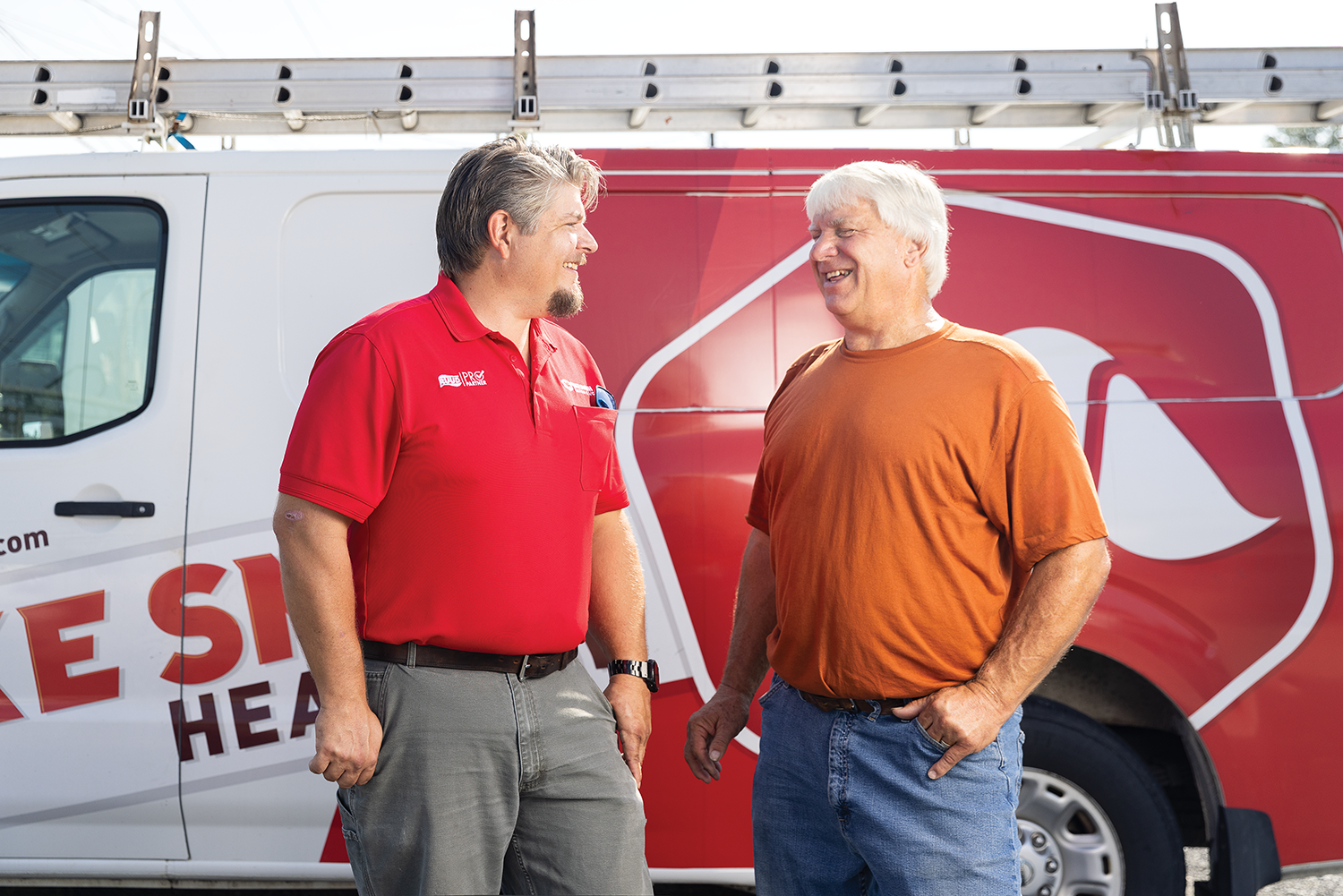
When Jerod came back, the company was small. It was essentially Mike, Jerod, and another helper. Jerod became the service department and learned the business by doing the work himself. Those years taught him independence, responsibility, and leadership. He began to understand his father in a different way. As a child, Jerod watched as Mike worked constantly. As an adult, he understood why. His father wanted to take care of people. He wanted to provide for his family. He wanted to help customers when they needed him. Jerod admired his father’s work ethic, but he also remembered what it cost. So when Mike eventually made Jerod a partner, Jerod began thinking about how to grow the company differently. He wanted to preserve the heart of the business while changing the structure around it. Instead of having one person carry the responsibility for every customer, Jerod wanted a team of people trained to provide that same level of care.
“We’re going to take care of people,” was one of the messages Mike repeated to his children as they were growing up. Jerod has carried that philosophy into the next generation. The difference is that Jerod wants to build enough capacity within the company that taking care of people doesn’t require sacrificing everything else. Today, Jerod oversees virtually every aspect of the business, from finances and scheduling to sales, employees, and ensuring the work gets done. He has also learned to delegate, something he believes is necessary for the company’s continued growth.
Mike has been retired for the past year, although retirement hasn’t completely separated him from the business. Every now and then, Jerod calls with a question about an older system installed before Jerod’s time. Mike loves those calls. He knows the equipment because he was there when it was installed. For decades, Mike was the person everyone called when they needed an answer. Now, he gets to be that person for his son without having to carry the entire business on his shoulders. Mike describes Jerod as a mallard duck, calm and collected on the surface, but paddling furiously underneath. It is an affectionate description that says something about the younger Smith’s leadership style. Jerod expects a lot from people around him because he wants them to succeed. Like his father, he believes employees should be trained, encouraged, and pushed to become better at what they do.
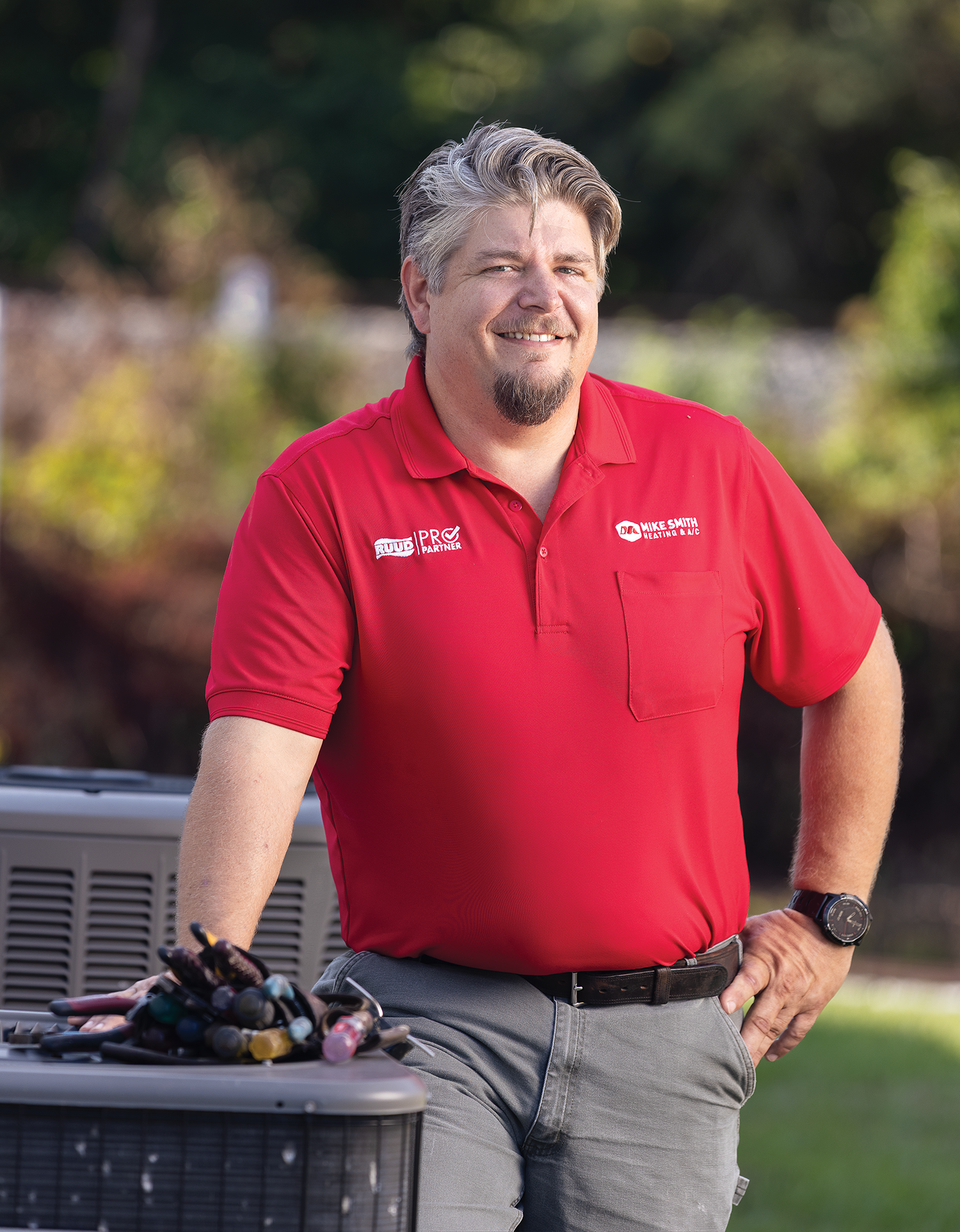
Jerod’s own family gives him another reason to think about balance. Jerod met his wife Juli at LA Tech where they played in the trombone section of the band. The couple married while Jerod was still in college and now have two daughters, Abby and Savannah.
For Jerod, the future of the company is not simply about adding customers or increasing revenue. It is about making sure the values Mike spent decades building don’t disappear when Mike steps away. The need for work is not going away either. In northeast Louisiana, air conditioning is more than a luxury during long stretches of heat. Jerod sees providing dependable service as a responsibility to the community, and he wants to have qualified people ready to meet that responsibility.
Jerod spent his childhood following his father from one job to the next, watching where Mike stepped and trying to follow in the same places. Eventually, he chose his own path, studied something completely different, and built a career outside the family business. Then, when his father needed him, he turned around.
Now the roles have changed. Jerod is the one leading the company, making the decisions, and carrying the responsibility. Mike is the one watching from a little farther back, available when his son needs advice and proud of what he sees. The business Jerod inherited is more than a collection of customers, equipment, and employees. It is the product of decades of showing up. It is the trust of families who have called the same company for generations. It is the influence of mentors, the sacrifice of a wife, the lessons of a father, and the willingness of a son to come home when he was needed.
Mike built the company by giving himself to it. Jerod’s challenge is to carry that legacy forward while remembering the lessons his father learned along the way: work matters, taking care of people matters, but so does going home. The flashlight has changed hands, but the footsteps are still moving forward.