



IN THE GARDEN
with Kerry Heafner
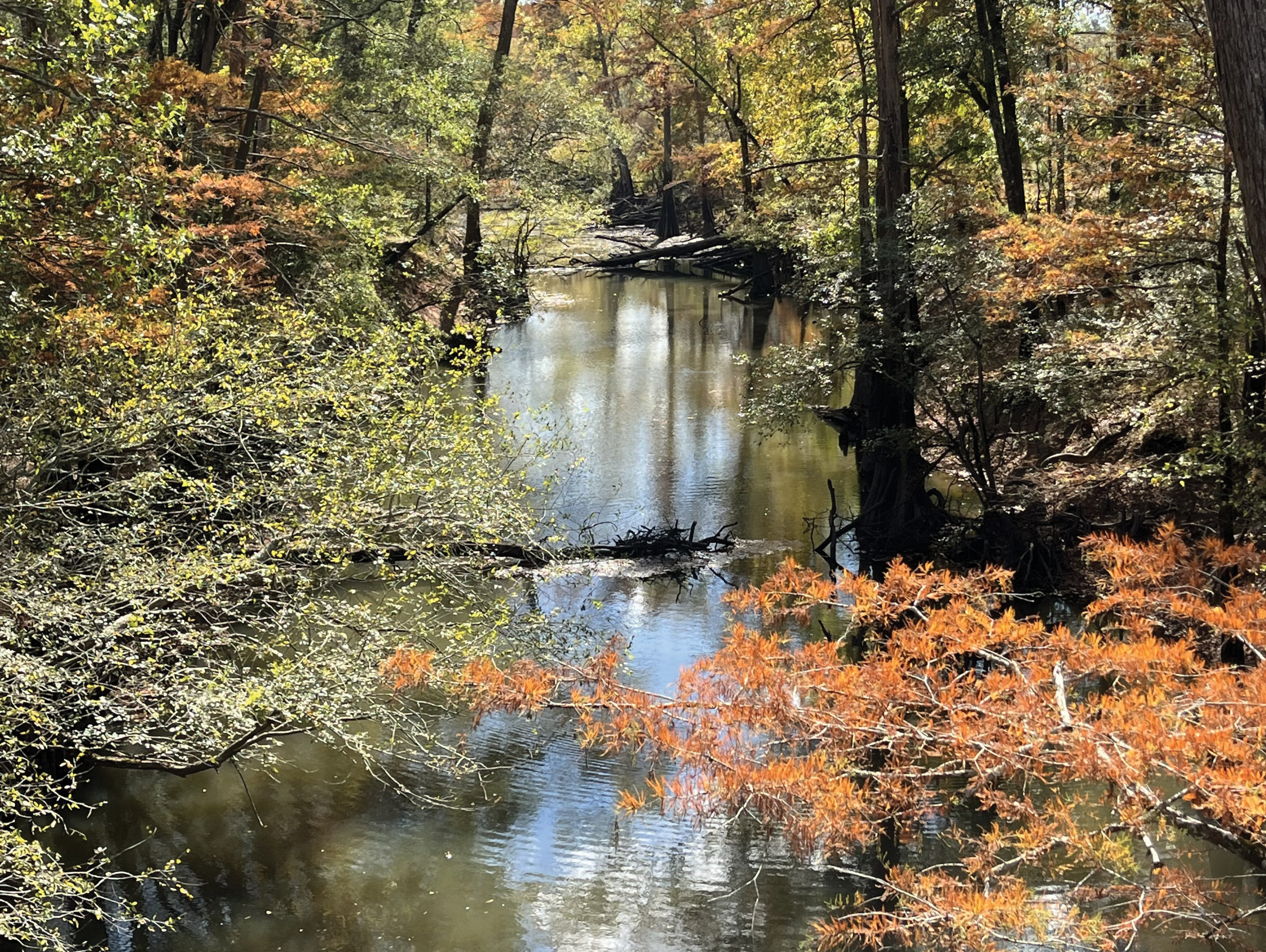
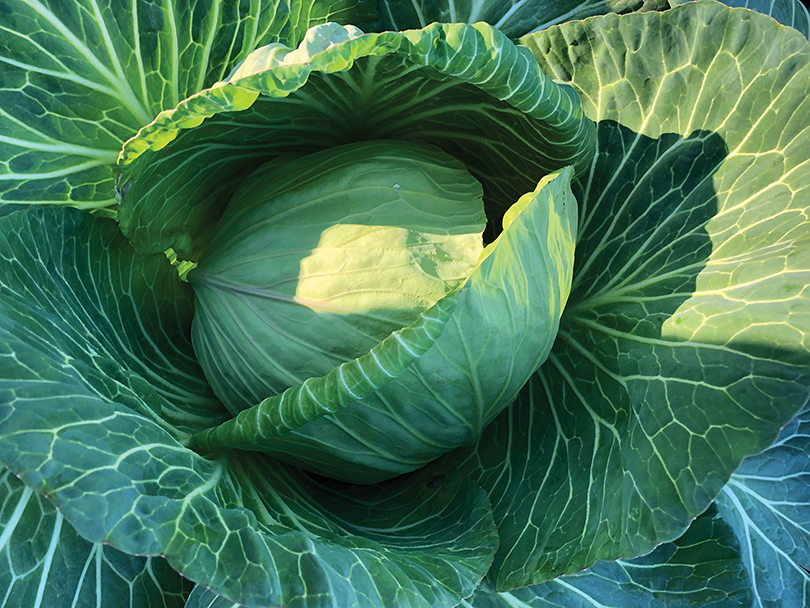
Fall is a magical time of year here in the ArkLaMiss. Natural landscapes are putting on a colorful show as they go to sleep for the winter. Temperatures have moderated so being outdoors is once again enjoyable. As for our gardens, this is the time of year to take stock and be proud of the year’s successes, reflect on and learn from the year’s failures, and to celebrate the harvest. Cool season vegetables are coming in and together with what’s been preserved from the spring and summer harvests, the abundance will be evident at the Thanksgiving table. Fruit like muscadines, persimmons, and pears are hopefully also making an appearance now. Nature is donating a harvest of leaves that shouldn’t go to waste. Use these leaves which are provided to us free of charge as mulches in beds or as the beginnings of a compost pile that will generate the single best soil amendment gardeners can use. Yes, it’s a beautiful time of year, but that doesn’t mean there isn’t a lot to accomplish. We’re always looking ahead so let’s get after it!
Home Orchards
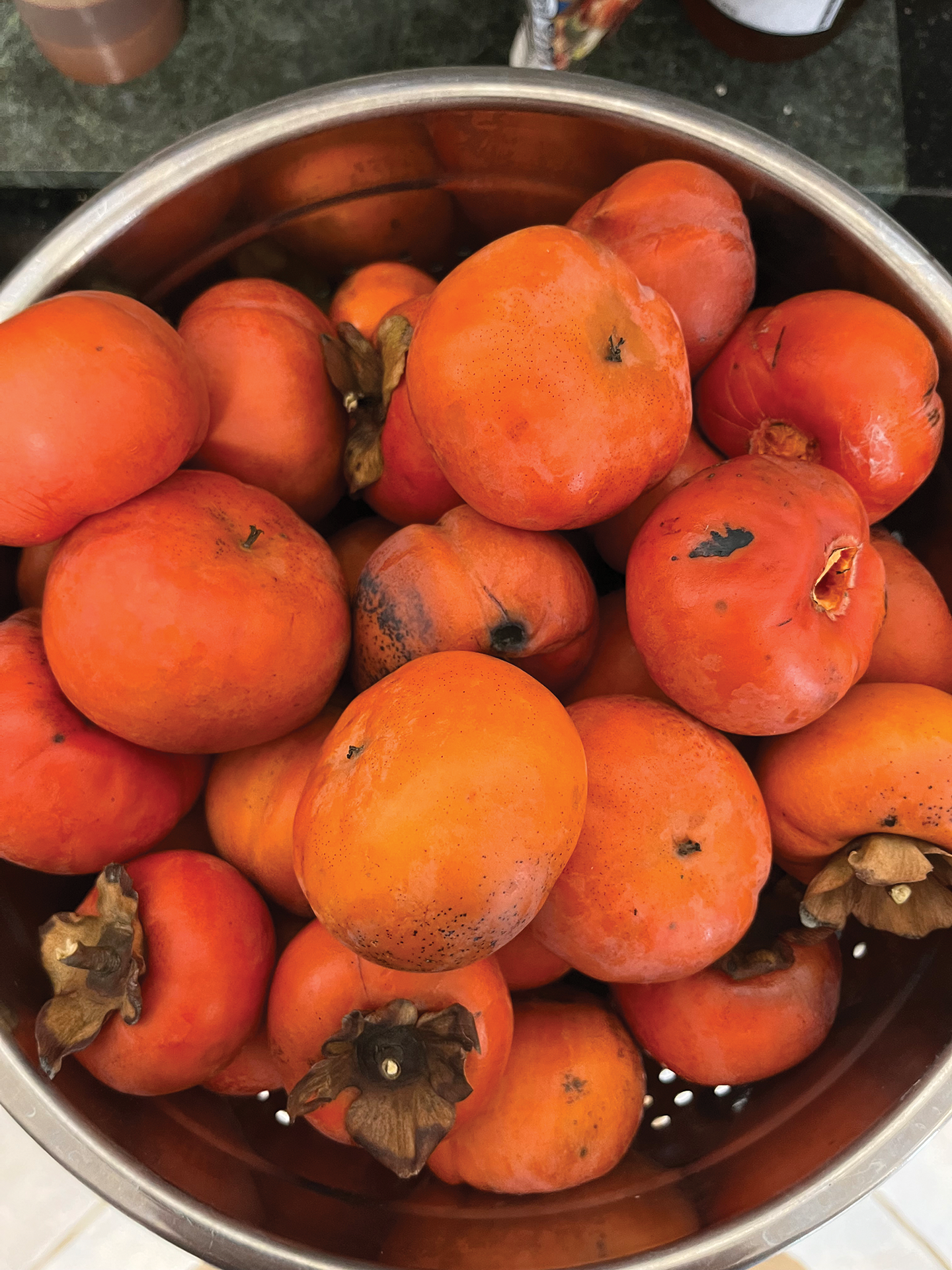
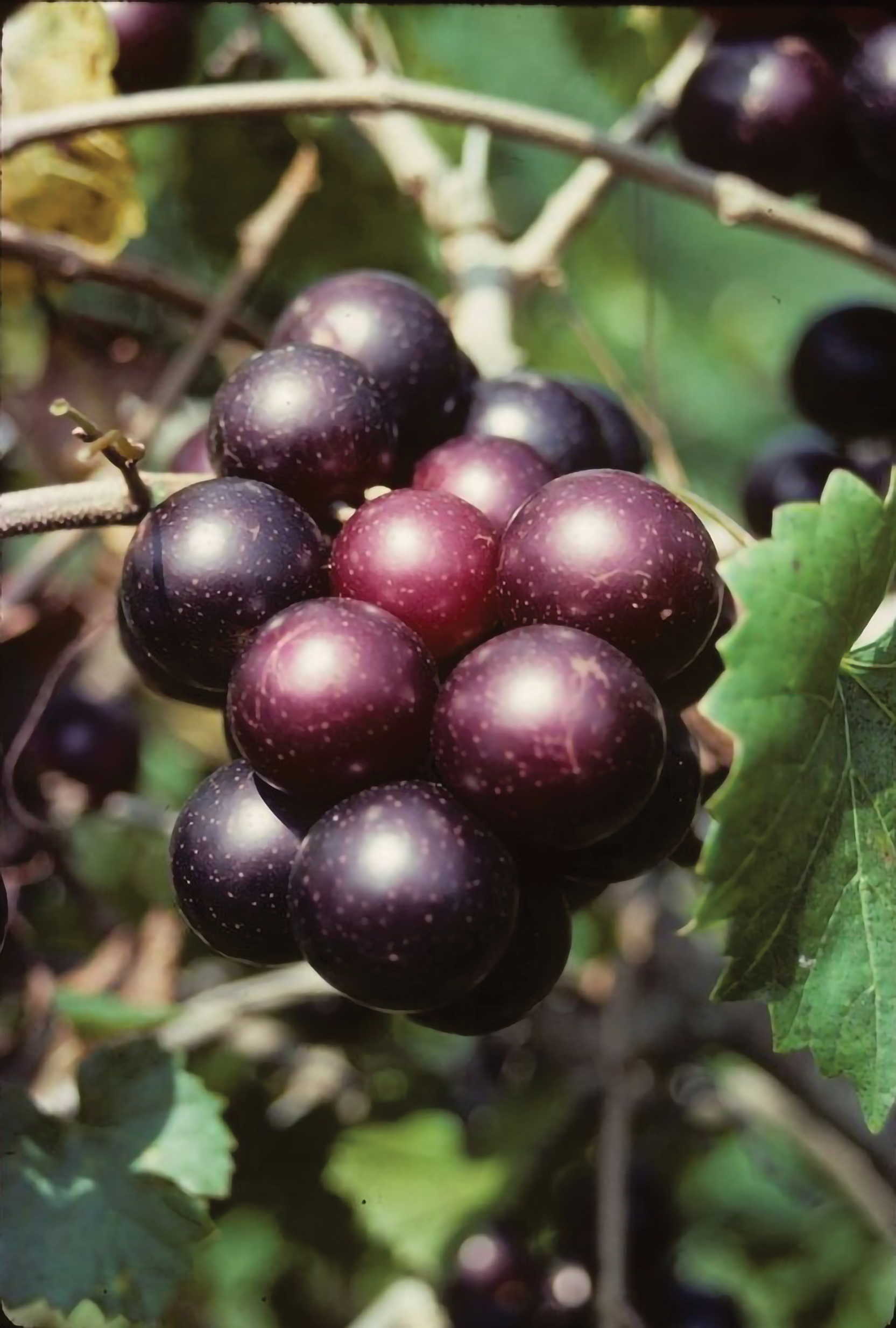
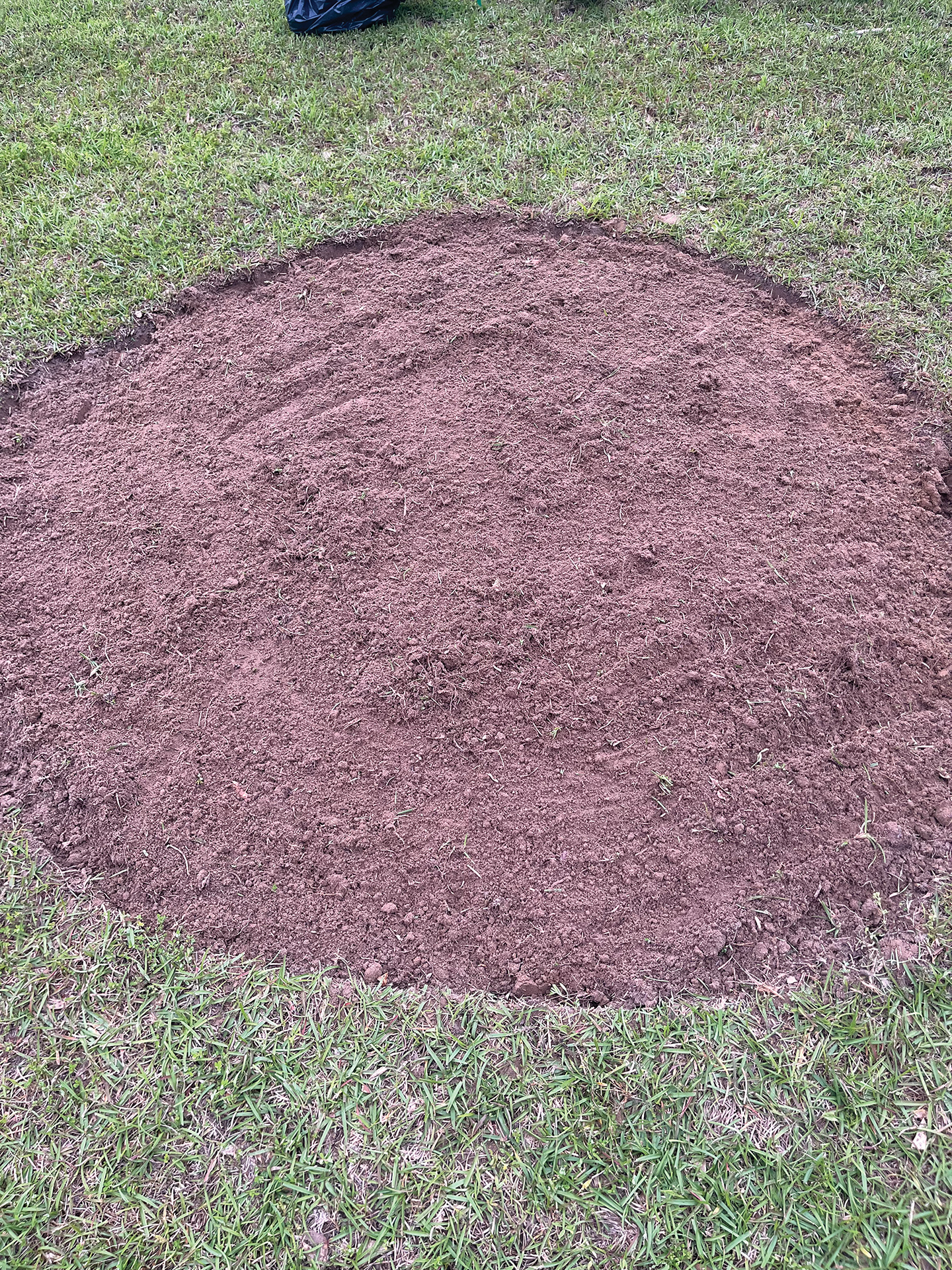
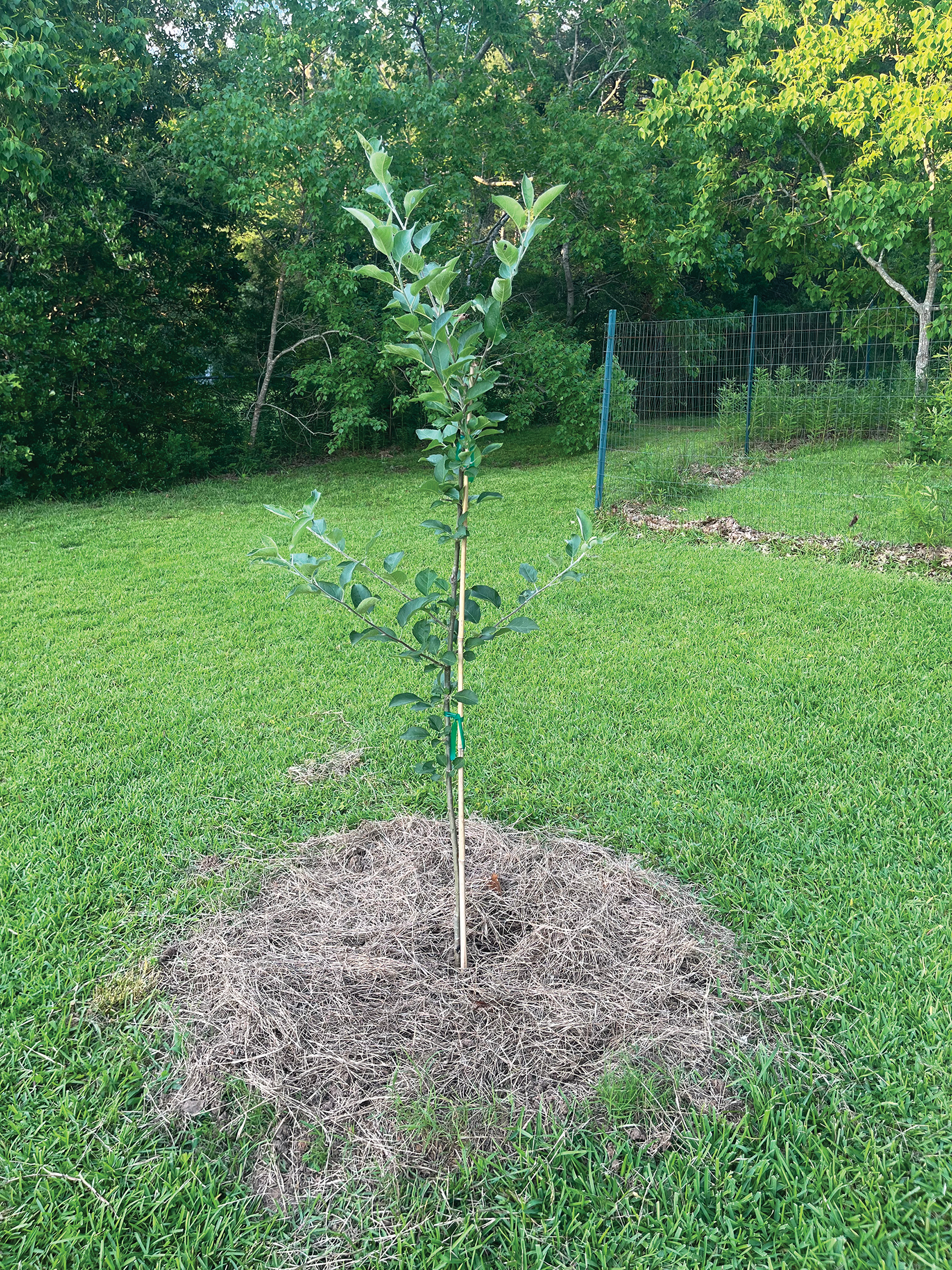
There’s no better way to work off the big Thanksgiving meal than installing a home orchard. Now through February is the perfect time in our region to get fruit trees and vines in the ground. Productive orchards require at least six to eight hours of sunlight and need regular maintenance so get ready to prune annually to keep fruit trees and vines productive and healthy. Also keep in mind that orchards will take several years to hit optimum production even under ideal conditions. If installing tree fruit, decide beforehand if standard sized, semi-dwarf, or dwarf trees are to be planted and designate space accordingly as each will require adequate space for growth and production. Apples (low-chill varieties), pears, and plums will need two or more varieties that flower at the same time for cross-pollination and optimum production. Mayhaws are native to our area and are used for jellies, syrup, and other products. The Louisiana Mayhaw Association (www.mayhaw.org) is a valuable resource for finding grafted trees and advice on production. Blackberry varieties that fruit on both first and second year canes are available have proven to be very productive in our area. On average, North Louisiana can expect between 700 to 1000 chill hours (hours below 45 degrees F). Apples, pears, and mayhaws can have issues with fire blight, a disease caused by a bacterium that is best managed with an agricultural grade of Streptomycin. Ironically, the bacterium is spread by insect pollinators, so treatment has to occur with the antibiotic when trees are in flower. The antibiotic will not harm insects. Ornamental Callery Pears like Bradford or Cleveland also have problems with fire blight and can be the source for fruit orchards. Ornamental pears should be removed before susceptible fruit types are planted. Pecans have a long history throughout the Deep South. Varieties for the home orchard include ‘Candy,’ ‘Cape Fear,’ ‘Elliot,’ ‘Melrose,’ and ‘Sumner.’ Pecan trees have their own issues. Insects such as Pecan Phylloxera, Pecan Nut Casebearer, Hickory Shuckworm, and Nut Curculio can be problematic. Pecan Scab is a common fungal disease that can affect yields. And don’t forget about the incredible, edible persimmon! The American species, Diospyros virginiana, is dioecious, meaning male and female trees are required for pollination and fruit production. Varieties of the Asian persimmon, D. kaki, are grafted onto American rootstock and have several advantages over native persimmons. First, non-astringent varieties are available, so the pucker factor is eliminated entirely. Second, Asian varieties are parthenocarpic. That is, they set fruit without pollination. Third, the fruit is significantly larger than the native persimmon. Fourth, trees of Asian varieties are not so large that they won’t fit into most landscapes. Muscadines are one of the South’s native grapes and are reliably productive in the sand and silt loams of northern Louisiana. They don’t even mind some clay. Self-fertile varieties will not require another variety as a pollinizer. Bronze, purple, and red varieties are commercially available. Muscadines will need a strong trellis to grow on and will require annual pruning for continued productivity. Finally, citrus of any kind is a gamble for North Louisiana. The ArkLaMiss is just too far north for reliable citrus production unless trees are well protected from freezing temperatures. If it has to be moved indoors or needs a small condominium built around it for winter protection, then it isn’t hardy! A lot of problems can be avoided by planting species and varieties that are hardy in our region.
Seasonal Color and Ornamentals
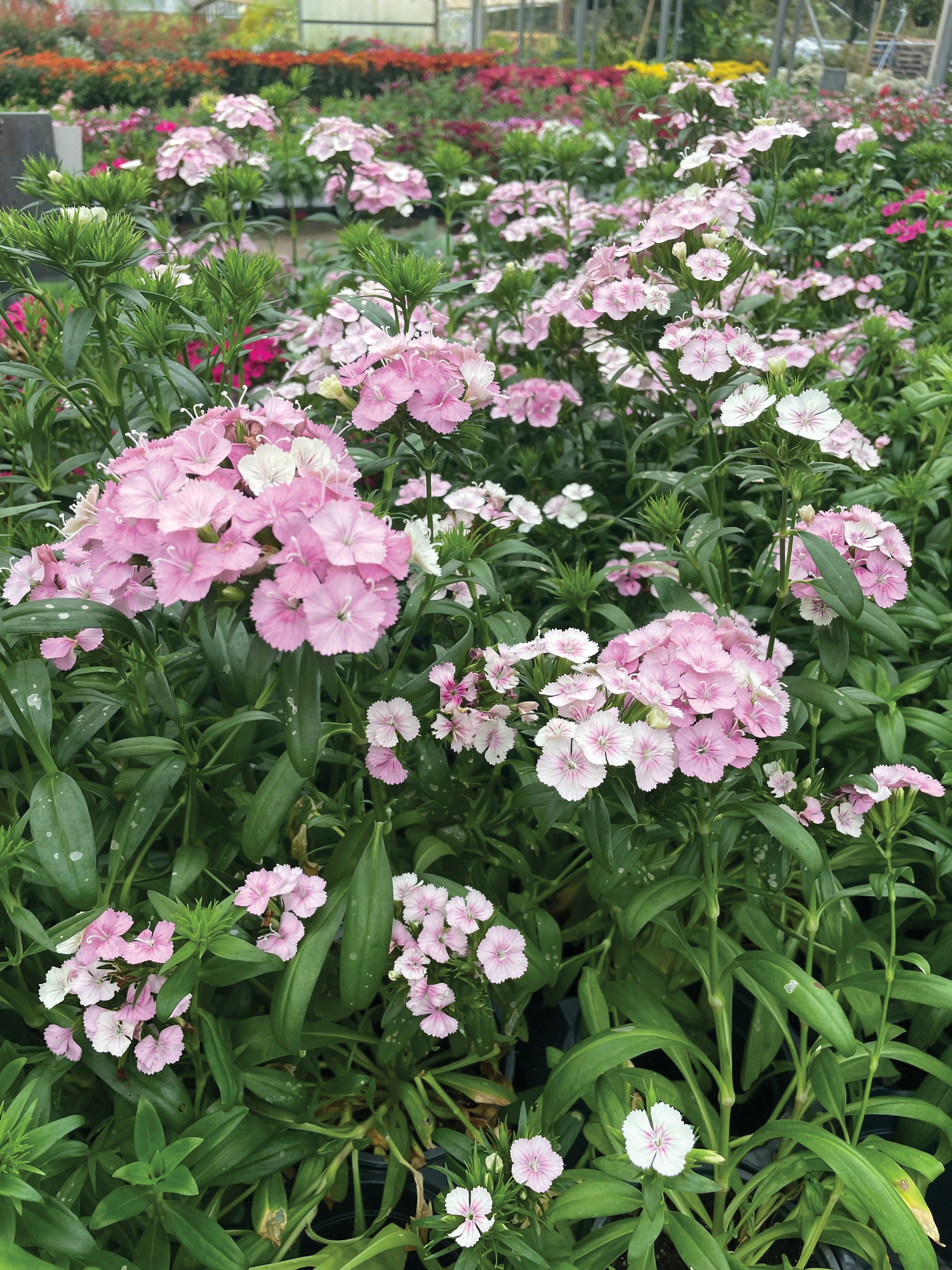
Cool season annuals can go in this month and should put on a show until next spring with good care. Remove remains of spring and summer annuals and reinvigorate flower beds by working in generous amounts of finished compost. Keep Louisiana Super Plants in mind when planning for fall color. ‘Diamonds Blue’ Delphinium, ‘Mesa’ Gaillardia, ‘Swan’ Columbine, ‘Amazon’ and ‘Jolt’ Dianthus, and ‘Sorbet’ Violas will all be worth looking into. ‘Homestead Purple’ verbena should be planted now, too. You’ll get some bloom now, but it will really show out in spring. ‘Redbor’ Kale has perfect foliage for both color and texture. It is also a nice addition to the fall and winter vegetable garden. If spring-flowering bulbs haven’t been planted by now, don’t wait much longer. They need time to get roots established. Early, mid, and late season Daffodil varieties work best in mass plantings across the landscape. Other bulbs such as Windflower (Anemone sp.), Ginger Lily (Hedychium coronarium), Crocus spp., Crocosmia spp., Grape Hyacinth (Muscari spp.), and Snowflake (Leucojum spp.) can all be planted this month. Generally, the depth of the planting hole should be twice the height of the bulb.
Sasanqua Camellias will be providing fall color headed into winter. ‘Leslie Ann’ and ‘ShiShi Gashira’ are the Louisiana Super Plant selections. Like their later-blooming counterparts, the Japonicas, Sasanquas need a well-drained, acidic soil with plenty of organic matter worked in. A mulch of pine straw will help with water retention. Other shrubs can be planted this month with plenty of time for healthy root establishment. This will be important for next spring when energy will be put into leaves, branches, and flowers. For foundation plantings, look at Dwarf Yaupon Holly, ‘Frostproof’ Gardenia, and ‘Cinnamon Girl’ Distylium. For sunny areas around houses, ‘Limelight’ Hydrangea is a can’t miss. It’s the only hydrangea that will tolerate full sun. And get ready for spring by installing any of the Southern Indica Azaleas now. Look for varieties like ‘Formosa,’ ‘G.G. Gerbing,’ or ‘George L. Taber.’ Spring-blooming azaleas are southern staples that will attract a variety of insect pollinators to the landscape.
Find information on fruit trees, ornamentals, and a lot of other helpful information on our website: www.lsuagcenter.com.
Finally, take time this fall to slow down, get outdoors, be with family and friends, take stock in nature’s beauty and abundance, and look forward to next season. All of us at the Ouachita Parish Extension Office wish you and yours a very Happy Thanksgiving!
Tune in to Louisiana Living every Tuesday at 4:30 for In the Garden with Kerry Heafner of the LSU AgCenter.