



THERE YOU WILL ALWAYS LONG TO RETURN
by Guy Miller, Vice Chair Emeritus, Chennault Aviation and Military Museum
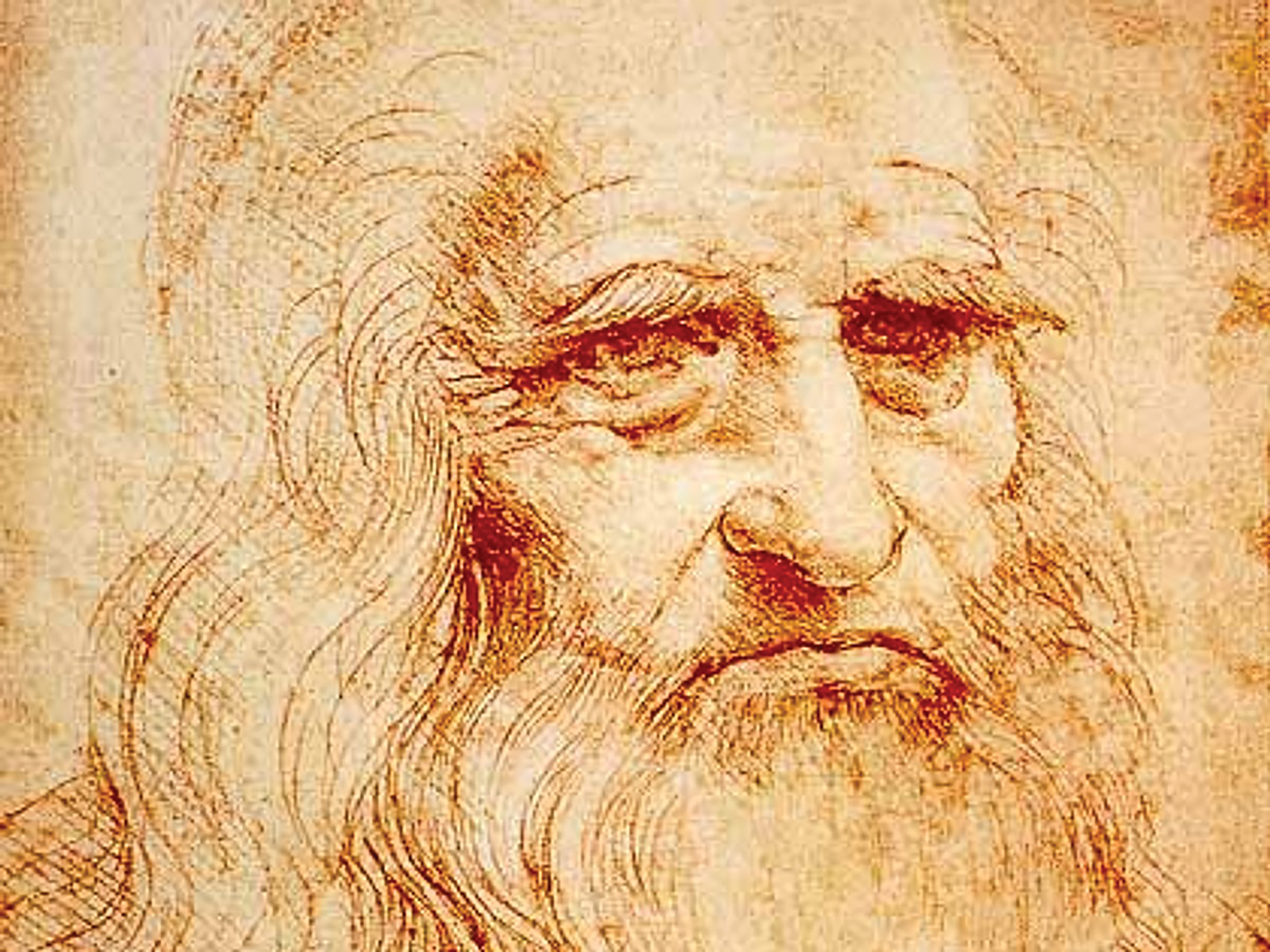
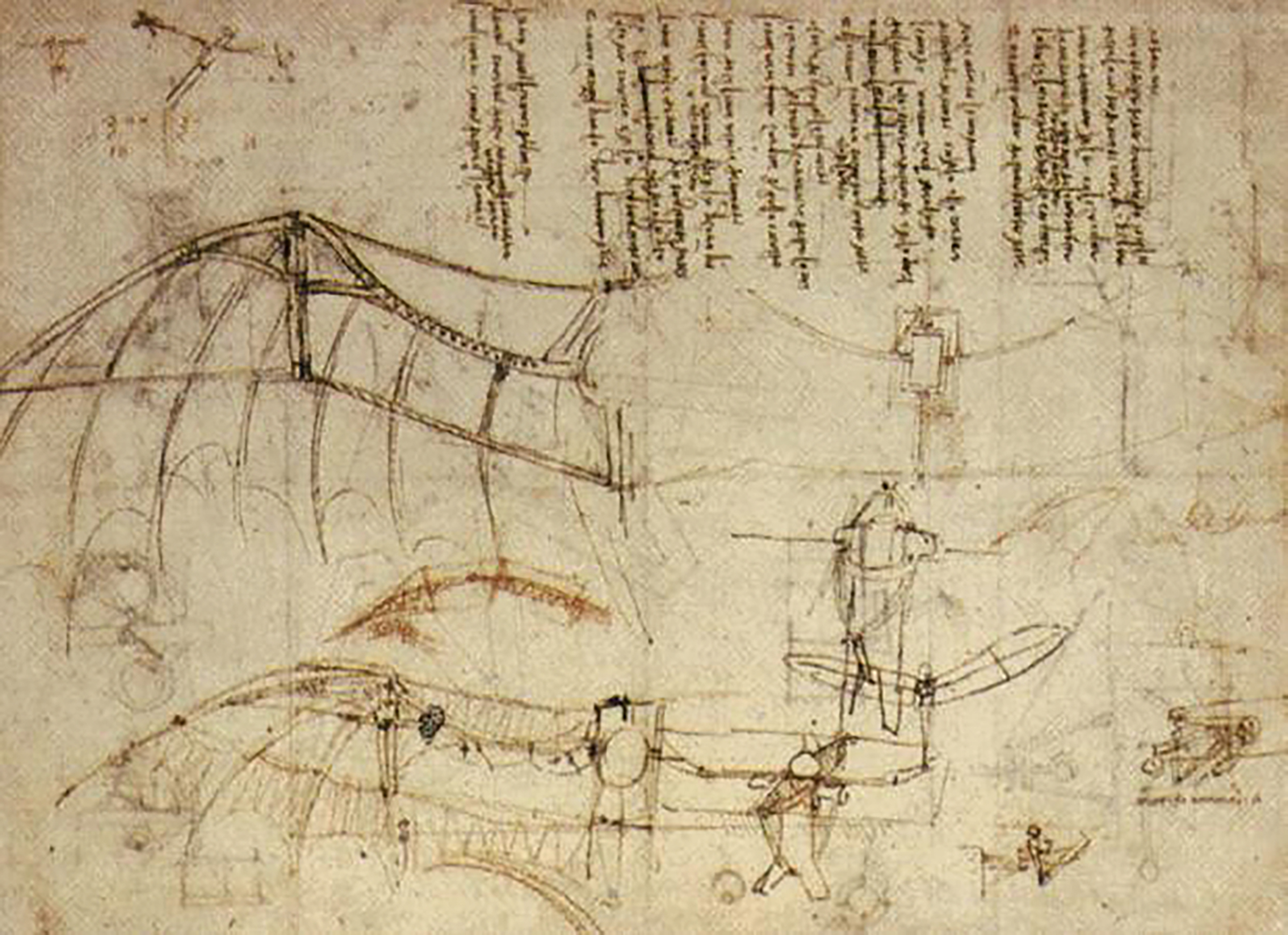
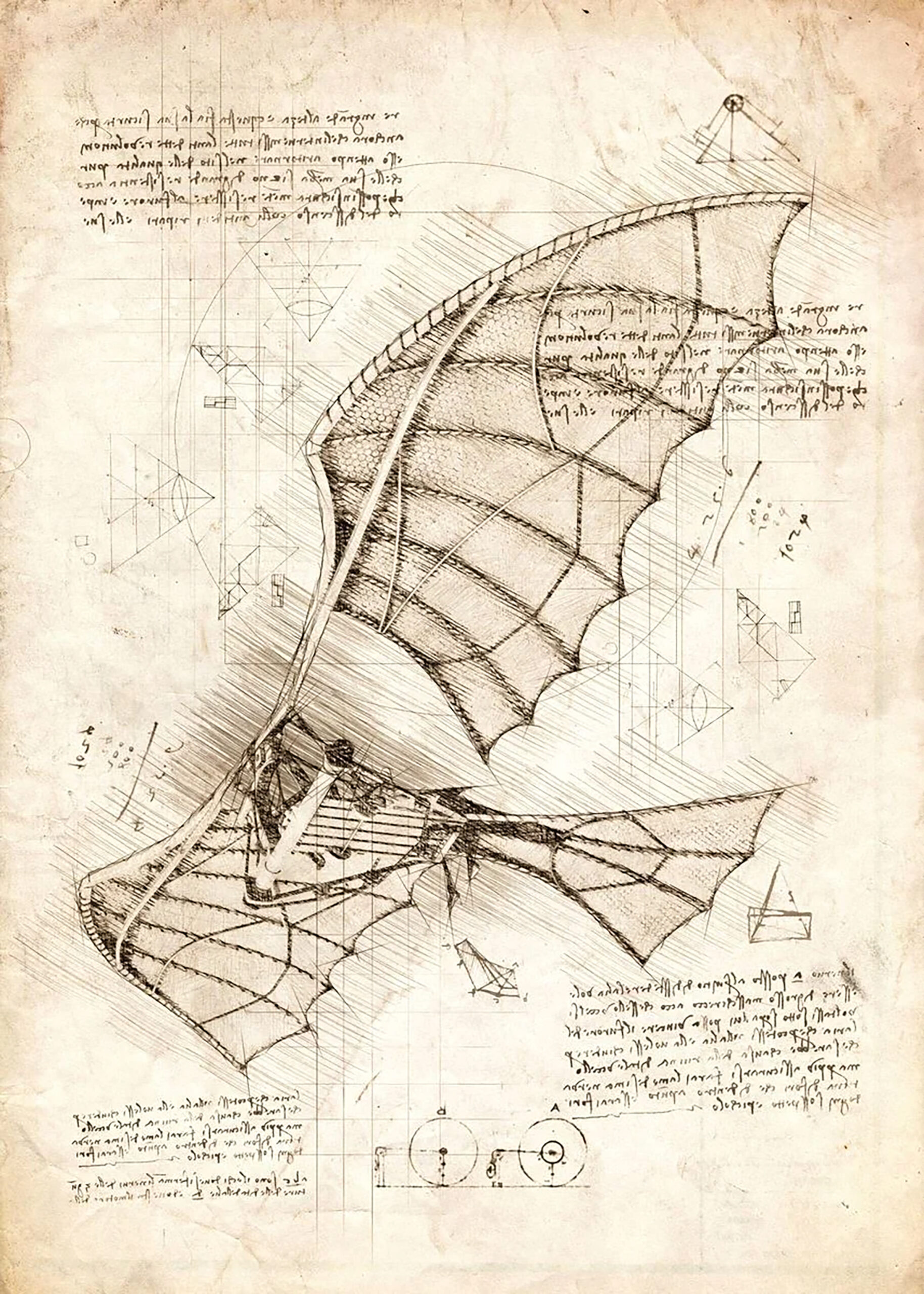
Having visited one summer long ago, a year ago my wife and I decided to return to Biltmore mansion to see it in its decorated holiday splendor. Biltmore, of course, has nothing to do with aviation or the military but while we were there, a limited run presentation in one of its exhibition halls was devoted to Leonardo da Vinci. In that exhibit I saw something that both delighted and puzzled me. Behind the many displays of da Vinci’s artwork and models crafted from his notes were quotes attributed to the 15th century genius. One of these quotes was as follows:
“Once you have tasted flight, you will forever walk the earth with your eyes turned skyward, for there you have been, and there you will always long to return.”
Having flown more times than I can count, especially including being flung all over the sky in military aircraft, this quote really spoke to me. But from my first reading of it, my brain went “Wait a minute! How did Leonardo da Vinci know what it felt like to fly?”
Da Vinci lived 400 years before the Wright brothers ascended from the sands of Kitty Hawk. Like them, he was fascinated with flight. He obsessed about birds and flying machines. Over his entire lifetime, da Vinci wrote 35,000 words and drew 500 sketches about flight. But there is no evidence that da Vinci ever built and tested one of his flying machines, and no where in his writings or sketch notes can the attributed quote be found.
Despite its absence from his written words, the quote attributed to Leonardo da Vinci has been reproduced everywhere. “His” words are quoted in aviation books, magazines, science textbooks and some Smithsonian publications. Except Leonardo da Vinci never wrote those words; and they are not 500 years old. Like many “quotes” and “truths” people believe, this quote was falsely attributed to da Vinci enough times that it took on an unquestioned life of its own.
So who wrote it? John Hermes Secondari. An American TV writer. In 1965. Secondari is a fascinating person. I wish I had the space to introduce you to him because his Wikipedia page only tells a fraction of his background.
How did Secondari’s words become attributed to da Vinci? Skipping to the latter part of his life story, Secondari organized ABC’s first documentary unit in the early 1960s and produced over 80 documentaries. One of those projects was a series called The Saga of Western Man. This series covered key historical events that moved civilization forward. Secondari was famed for restricting the acting as much as possible to off-screen voices and using historically authentic dialogue.
One of the episodes of The Saga of Western Man written in 1965 (aired in 1966) was “I, Leonardo da Vinci.” Secondari channeled the real ideas and passions of Leonardo into his TV documentary with Fredric March providing “the voice of Leonardo da Vinci.” 16 minutes and 21 seconds into the second reel, the off-screen Leonardo narration urges people to build his flying machines. Over beautiful visuals of a wheat field, the camera pans up into a clear blue sky and “da Vinci’s” voice says:
“And once you have tasted flight you will walk the earth with your eyes turned skyward, for there you have been, and there you would return.”
This is the first recorded version of what became the quote. This spoken line starts with “and,” lacks “forever” and the ending is missing the “always long to.” Those words were added piecemeal later.
The first time the quote appeared in print was in the May 1975 edition of Analog Science Fiction and Fact magazine. It was quoted as a Leonardo epigraph in the story “The Storms of Windhaven.”
“For once you have tasted flight you will walk the earth with your eyes turned skyward; for there you have been, and there you long to return.”
The “long to return” phrase was suggested by was editor of Analog, Ben Bova, who claimed he heard it in a documentary about Leonardo.
The presented-as-historical-fact quotation then was read and eventually spread as truth by late 1970s hang glider pilots and sky divers. By the 1980s this powerful “quote” had caught the imagination of the wider aviation community and started being repeated in books and magazines. It’s easy to understand why this was so. The “quote” perfectly describes how aviators feel when they loosen the restrictions of gravity and look down from on high at the wonder of Nature’s beauty and the magnificence of man’s creations. It also says what we think Leonardo would have said. And it helped that fact checking the quote was nearly impossible until more recent years.
Knowing his most famous quote about flying was penned by a television ghostwriter centuries after his death would likely cause Leonardo to respond with an enigmatic Mona Lisa smile. Da Vinci enjoyed whimsical prophecy. As an example, his true words that appear to be about flight- “winged creatures will support people with their feathers”- does not refer to flying machines but to “the feathers used to stuff mattresses.” Likewise his flight evoking words “feathers shall raise men even as they do birds, towards heaven” takes a wicked turn when they end “that is by letters written with their quills.”
And now you know the rest of the story.