



THE MAY DECISION THAT CHANGED THE COURSE OF A WAR
As someone associated with the Chennault Aviation and Military Museum I don’t usually mention other museums. But assuming you wanted to visit the National Museum of the Pacific War to where would you fly? Hawaii? Old Pacific Coast Navy cities like San Francisco or San Diego? How about Fredericksburg, Texas?
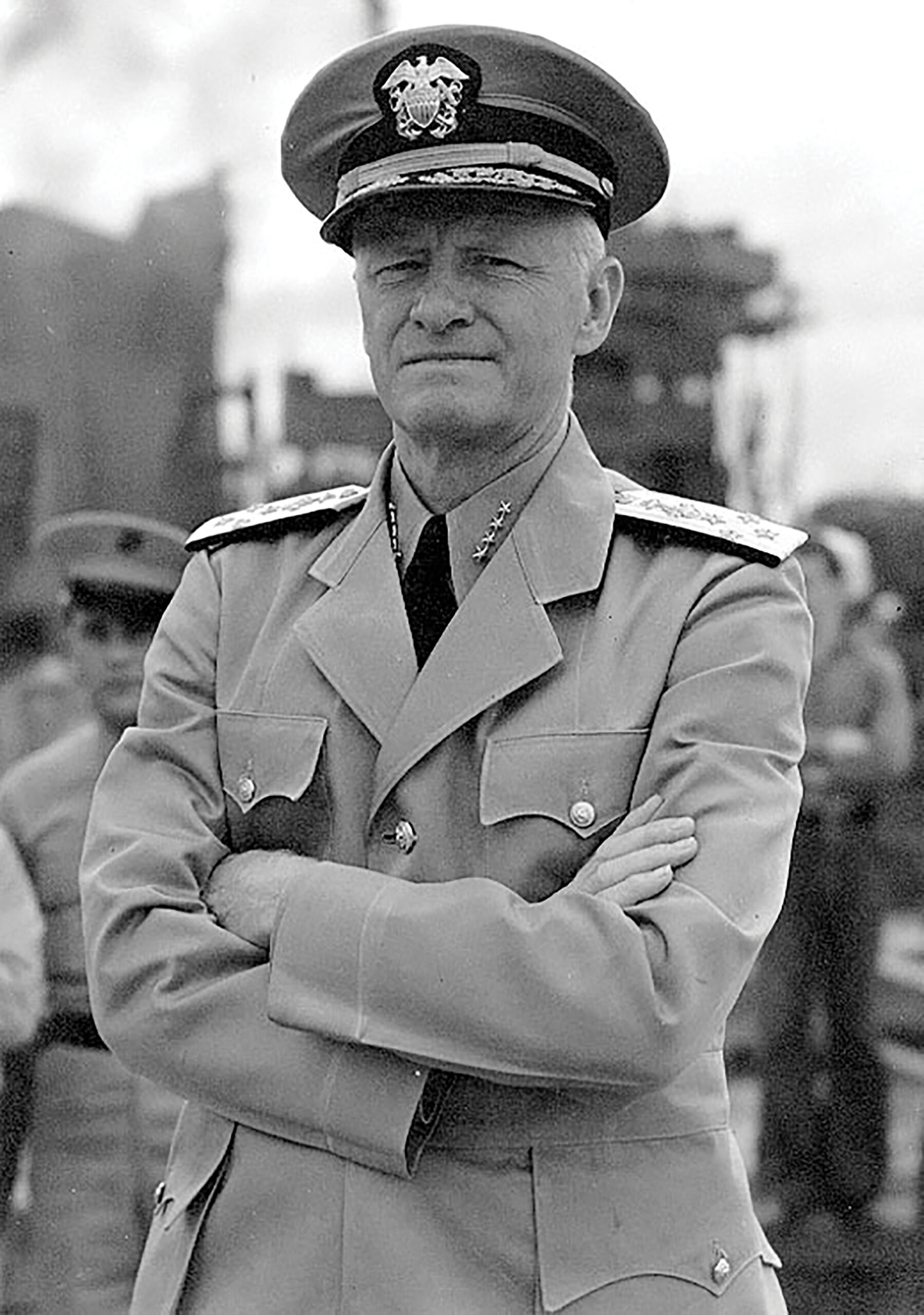
Why this unlikely location? Fredricksburg is where Chester William Nimitz was born. Nimitz is, of course, Admiral Nimitz, who was designated as “Commander in Chief, Pacific Ocean Areas” on March 24, 1942 with operational control over all Allied units (air, land, and sea). Had Nimitz not been designated such, the course of World War II would have been vastly different and likely significantly longer and with a much larger number of casualties.
Although the teenage Nimitz desired an appointment to West Point, none were available. Offered a chance to enter Annapolis instead, Nimitz left high school without a diploma at age 16 when his application was accepted.
Nimitz regarded his grandfather as the most important person in his life. The older Nimitz offered advice to his grandson that helped him to become the Admiral that won the Pacific War. This advice was “the sea – like life itself – is a stern taskmaster. The best way to get along with either is to learn all you can, then do your best and don’t worry – especially about things over which you have no control.”
Despite running his ship aground as an Ensign in 1908, Nimitz made amends for this blunder as his career progressed. He performed his duties so well that the Navy promoted him directly from Ensign to Lieutenant in 1910, skipping the rank of Lieutenant J.G.
Nimitz spent most of World War I as an aide then Chief of Staff to the admiral commanding the Atlantic Submarine Force. This experience allowed him to closely observe how an admiral functions and makes decisions.
Nimitz was a Rear Admiral serving as Chief of the Bureau of Navigation when the Japanese Imperial Navy attacked Pearl Harbor on December 7, 1941. On the morning of December 16th, Nimitz was summoned to the office of Secretary of the Navy Frank Knox. Knox asked him how soon he could be ready to travel. Nimitz said that it depended on where he was going and how long he would be away. Knox answered, “You’re going to take command of the Pacific Fleet, and I think you will be gone a long time.”
President Roosevelt had served as Assistant Secretary of the Navy during World War I and personally knew most of the senior admirals. He had actually offered Nimitz command of the Pacific Fleet in January 1941 but Nimitz asked to be excused because there were 50 officers more senior to him and he was too junior for such a high profile assignment. By December, there were still 28 admirals senior to Nimitz but Roosevelt hand-picked Nimitz to take over the command. Once again Nimitz skipped a rank and went directly from Rear Admiral to Admiral.
The initial months of the war were a difficult time for Nimitz. He needed to rebuild the Pacific Fleet, restore morale among the command staff that he inherited from his predecessor, protect American supply lines to Australia and strike back against the Japanese.
Nimitz organized the initial American carrier raids against Japanese held islands including the April 1942 bombing of Tokyo by Army B-25s flown off of the carrier USS Hornet. Despite limited damage, the Doolittle raid provided an enormous boost to American morale.
In early May information from intercepted messages indicated the Japanese planned an offensive in the South Pacific. Nimitz made plans to stop that Japanese advance. Although the Americans technically lost the Battle of the Coral Sea, it was a strategic success because it turned back the Japanese invasion of the island of New Guinea. Further, two Japanese carriers were temporarily taken out of action, which would deprive the Japanese of their use during the Midway operation which took place shortly thereafter.
Nimitz’s biggest gamble of the war came later in May when he decided to assemble every available American carrier in the Pacific to defend against a possible Japanese attack on Midway Island. A few scraps of information his code breakers had gathered provided Nimitz’s only insight into Japanese intentions. Many officers on his staff doubted the accuracy of the information but Nimitz felt the information was correct. He ordered the damaged carrier Yorktown to join the Hornet and the Enterprise and sail to Midway.
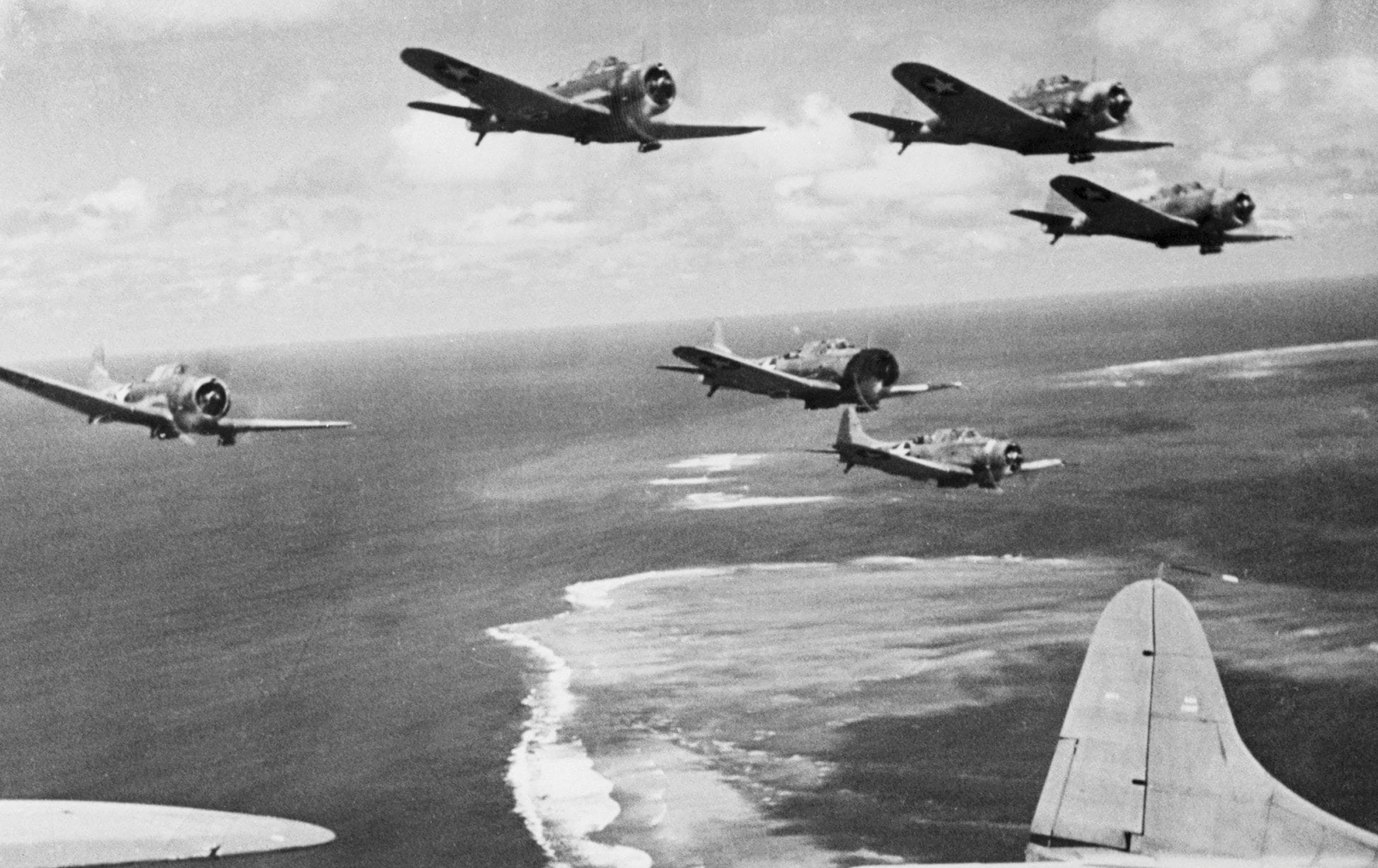
Although the Japanese were able to launch an aerial attack on Midway Island on June 3rd, the outnumbered American fleet located and began attacking the Japanese ships. On the morning of June 4th, American dive bombers crippled three Japanese carriers and destroyed more than 200 enemy aircraft in less than 10 minutes. The loss of the Japanese carriers at Midway shifted the balance of naval air power for the remainder of 1942 and permanently ended Japanese naval supremacy in the Pacific. The Battle of Midway has been regarded as the turning point of the war. Free from worry about Japanese carriers and with superior air power, Nimitz was able to initiate his successful island-hopping strategy towards the Japanese home islands.
While Roosevelt’s decision to put Nimitz in command surprised many Navy leaders at the time, with his May decision regarding Midway Nimitz initiated his reputation as the ultimate architect of American victory over Japan.