



In The Garden With Kerry Heafner
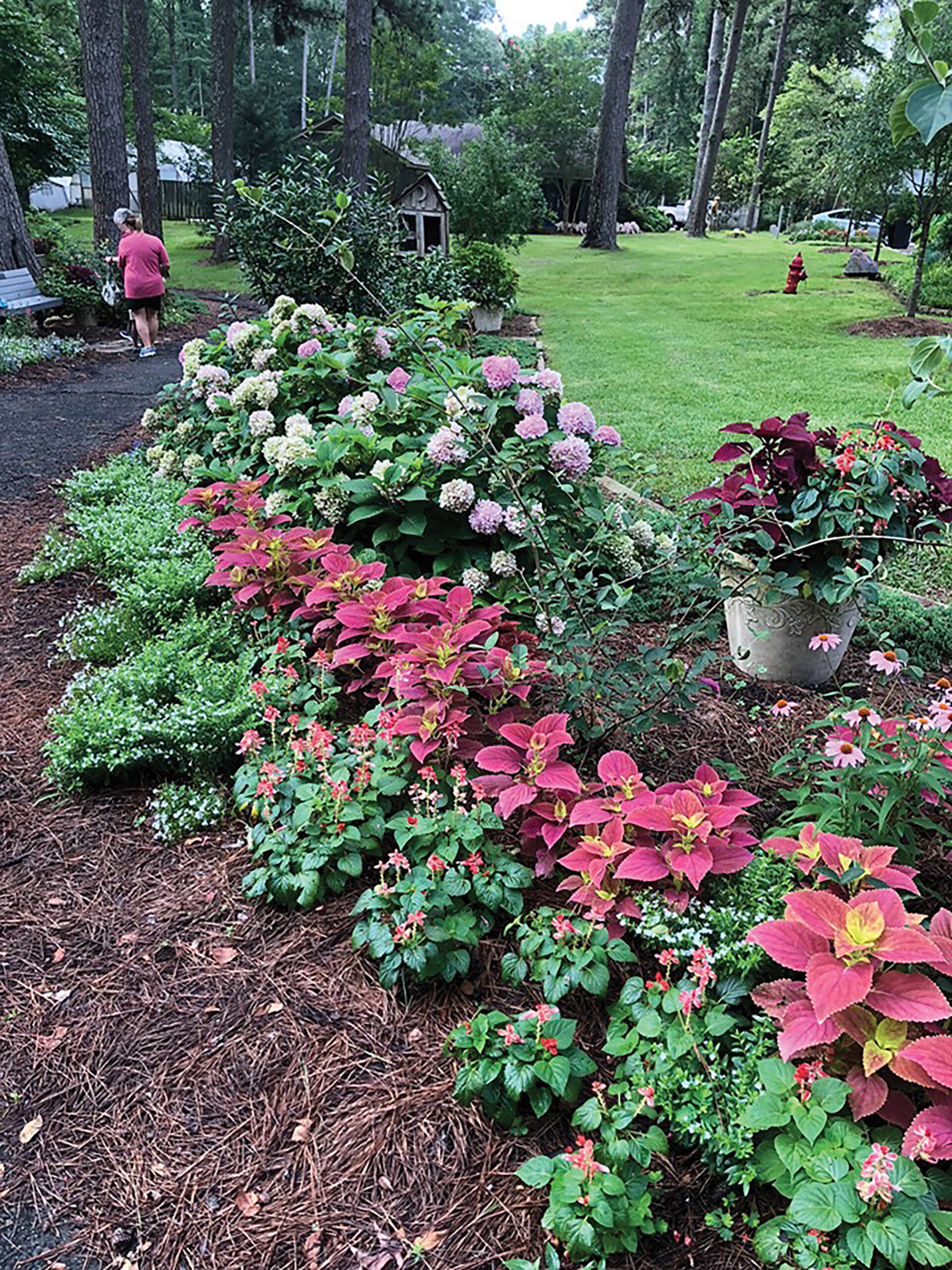
Happy March, y’all. Let’s talk about mulch. March is for mulch. Mulch Madness! The importance of mulches in both ornamental and vegetable gardens cannot be overemphasized.
A mulch is simply a layer of material situated between the surface of the ground and the shoot system of the plant. A mulch can be either organic in nature or it can be synthetic. Each has its place. Organic mulches are the best option for home gardeners. Plastic mulches should be the choice of commercial growers.
Organic mulches can be anything from aged wood chips, chopped bark, or dried fallen leaves to dried lawn clippings, hay, or wheat straw. The LSU AgCenter’s preferred mulch is, of course, pine straw. Bagged mulches are sold by the metric boat loads every year. But, why buy something when Nature provides it to us at no cost. Every year, I see piles of leaves either being burned or bagged and set by the roadside for pickup. This is wasteful! All that organic material could be making our gardens and landscapes more productive!
First, mulches help regulate soil temperature, and this is important for plants with shallow root systems like figs or most of the cool season cole crops in the vegetable garden. A two to three inch layer of mulch protect roots close to the soil’s surface from potentially dangerous heat and direct sun during the peak summer scorch! In winter, mulches also protect shallow root systems and underground tubers and rhizomes from bitter cold.
Second, mulches help soil retain moisture. Water is an important component of true soil. Nutrient ions need to be in solution so they’re available to plant roots and microbes need water for feeding on and breaking down organic matter.
Third, mulches provide a protective barrier between soil and plant that prevents soil-borne fungal spores from being splashed onto foliage during rains. Keeping foliage disease and blemish free means photosynthesis can take place optimally and the plant can manufacture all the carbohydrates it needs for maximum performance.
Fourth, mulches are highly effective barriers for weed suppression. Many species of weed seeds need sunlight for germination. Keeping them covered with mulch is a highly effective way to block light penetration to weed seeds thus preventing them from germinating. If weed seeds don’t germinate, then they won’t become a source of intense competition for nutrients and water with your garden plants.
Finally, organic mulches break down over time and can be either turned directly into the soil when a crop is finished, or raked up and put on the compost pile to finish breaking down into the best soil amendment available.
So, if you’re trying to break up heavy clay soil or looking for an inexpensive (or free!) mulch for your gardens, be on the lookout for bagged leaves sitting by the roadside! Or, bag those grass clippings and start a pile of them so they can dry out and put them back in your gardens. All of this organic material we generate should go to the landfill. It should be put back into the earth!
And, the 2023 Louisiana Super Plant selections have been announced and once again, you just can’t go wrong with this year’s winners! First, ‘Peggy Martin’ is one of these “what too so long?” choices! This thing is a beast and it’s reputation as a reliable, heat-tolerant bloomer has caught up with it! Our specimen at Louisiana Purchase Gardens and Zoo in Monroe was not phased in the least by the December super freeze. On a bright spring day, its brilliant pink flowers can be seen from just about anywhere in the zoo. ‘Peggy Matin’ is an aggressive climber, too. So, give it plenty of sun, plenty of room, something to climb on, and stand back!
Two varieties of Evolvulus made the cut this year! ‘Dwarf Morning Glory’ and ‘Blue Daze’ and you can’t go wrong with either one! Small, brilliant blue flowers sparkle on a green background, and if you’re looking for a flowering ground cover that can tolerate a Louisiana summer, you’ve found it! Don’t forget ‘Dwarf Morning Glory’ and ‘Blue Daze’ as “spillers” for containers and baskets, too.
‘Suncredible Saturn’ sunflower is the second sunflower in the ‘Suncredible’ series and joins its cousin ‘Suncredible Yellow’ in the Louisiana Super Plant lineup. The reddish-orange ring on the yellow ray flowers encircles the dark disc flowers for stunning contrast and bright color. ‘Suncredible Saturn’ will be a nice addition to your landscape if you’re interested in attracting pollinators, too.
Finally, ‘Cinnamon Girl’ Distylium is becoming a fast favorite alternative for other evergreens such as hollies for foundation plantings or just shrubs with an interesting texture and shape. Low maintenance, a soft blue-green color with a splash or red on new growth, and no mess from the small, rather inconspicuous white flowers, all make ‘Cinnamon Girl’ a rapidly rising star in the landscape trade. I helped the Marion Garden Club install some ‘Cinnamon Girls’ around one of their town entrance signs and the difference was immediately noticeable.
Ask our local garden centers for Louisiana Super Plants!
Join me every Tuesday at 4:30 on Louisiana Living on KARD Fox 14 and every Tuesday and Thursday morning on KWCL 96.7 FM Oak Grove! If you have gardening questions or just want to tell us how we’re doing, send us an email to inthegarden@agcenter.lsu.edu.