



In the Garden With Kerry Heafner
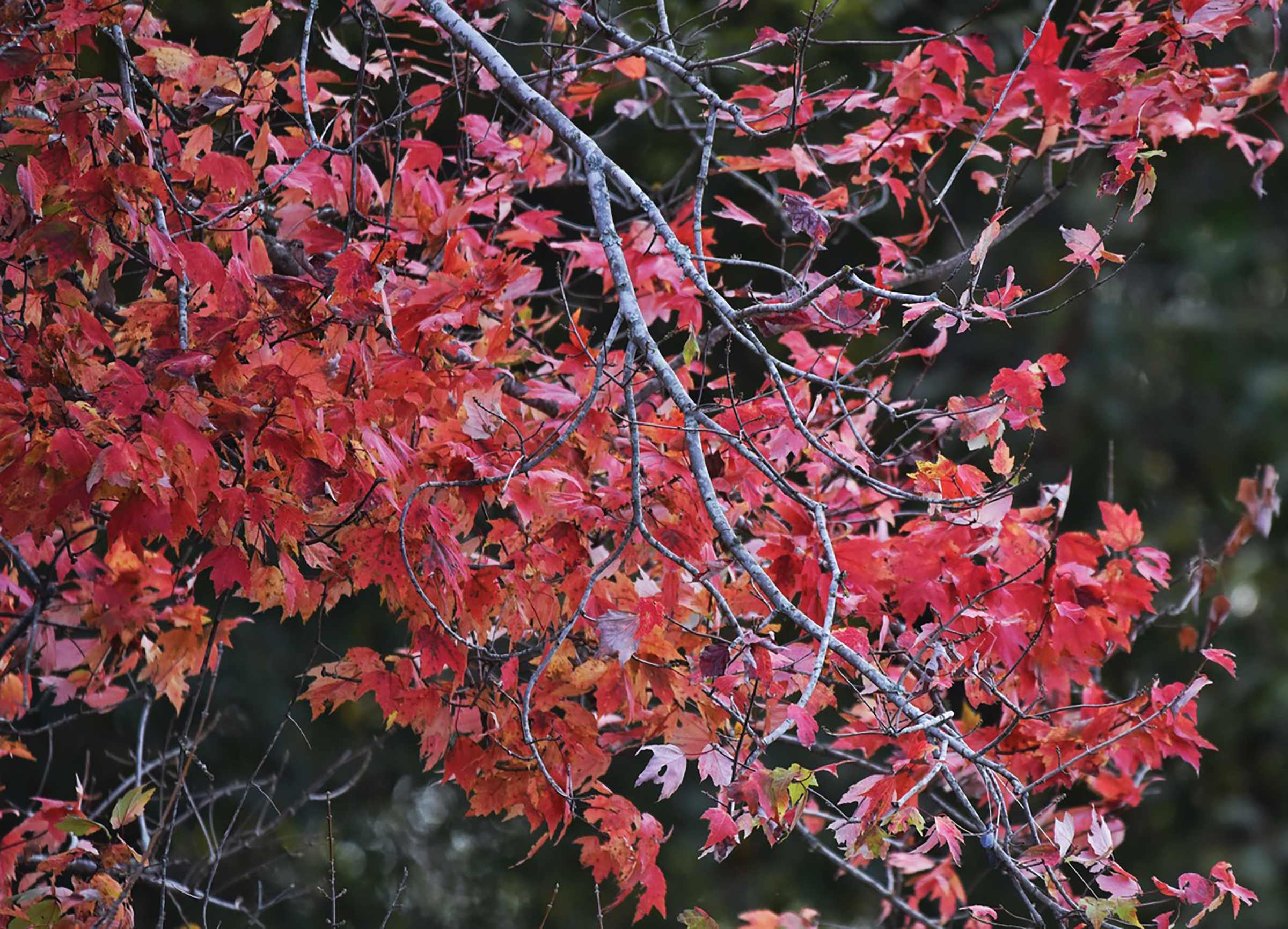
There’s something magical about fall! Mainly, I think, it’s the much-anticipated relief from a long, hot, and dry summer like we just had. While I love living in Louisiana, something about fall always takes me back home to the Carolinas. The Southern Appalachians just glow when the leaves change colors. There was nothing like being up on the Blue Ridge Parkway on a crisp, clear fall day and finding a rocky bluff to recline on while watching the sun go down behind the cacophony of color. After dark, lights from the little towns in the valleys below formed their own constellations and whiffs of smoke from distant fireplaces along with the general aroma of the surrounding woods perfumed the air. Those old mountains will take care of you if you let them.
Down off the escarpment in the Piedmont, fall took on another type of magic. Apple festivals were, and still are, the order of the day in the counties surrounding the area my dad grew up in. The Uwharrie National Forest along the Pee Dee River would also be ablaze with color. One stand-out in the woods across the street from our house, where I often sought solitude, was the brilliant red leaves of sourwood trees, a veritable weed in the iron-rich Piedmont clay. In the prairie-like power line right of way behind those woods, rosinweed, with its tall stalks of yellow sunflowers growing from basal rosettes of large, lettuce-like leaves, was interspersed among waist high stands of straw-colored broomsedge. A chorus of crickets chirping in the purple haze of late afternoon and dusk let me know that winter was around the corner. In town, fall rains would knock the yellow leaves off the gigantic willow oaks that once lined First and Second streets. Mounds of leaves would form at peoples’ curbsides and once a week, city crews would go around vacuuming them up. Oh, the compost they would have made!
Fall also ushers in a colorful landscape here in the ArkLaMiss, even if the colors develop a little slower. It all starts immediately after June 21st, or the summer solstice, when we in the northern hemisphere have the maximum number of daylight hours. In terms of plants, we call this the longest photoperiod. After the solstice, it’s all downhill, so to speak. The number of daylight hours decreases, ever so gradually, first by seconds, then by minutes, and finally by hours. At first, we may not notice the decrease in daylight. But, plants do. Because they photosynthesize for a living, plants are finely tuned into how much sunlight is striking Earth at one point in time. They are also tuned into how much darkness they receive as opposed to daylight. They respond by ceasing production of chlorophyll, the main photosynthetic pigment and the pigment that reflects green wavelengths of light (thus, we see leaves as green). Chlorophyll that remains in leaf tissue is broken down. Other pigments such as carotenoids and xanthophylls, which were always there and just masked by chlorophyll, are now visible. Anthocyanin, a red pigment, is also visible. This water-soluble pigment is sequestered in the vacuoles of plant cells and is produced as chlorophyll is broken down. In deciduous trees and shrubs, leaves are eventually jettisoned because of a series of hormone reactions. While there is a case made every fall and winter for leaving fallen leaves where they landed in your yard, I would make an even stronger case that these fallen leaves make excellent mulches and will be a welcome addition to compost piles.
Mind you, this is a somewhat simplistic explanation of how our scenery gets painted in fall. Biochemistry that space here doesn’t allow an explanation for is at play. No matter. Let’s just enjoy it. Not only does the ArkLaMiss really look like fall, but the first cold snaps last month made it feel like fall, too!
Are you buying firewood for these chilly fall nights? Take some precautions when purchasing firewood. First, be aware of what is and what is not a cord of firewood. A standard cord is 128 cubic feet. This is typically measured 4 feet high by 4 feet deep by 8 feet long. Firewood is typically sold by the “face cord” or “short cord.” This measures 4 feet high by 8 feet long by 2 feet deep. The definition of a “rick” varies among states. In our area, a “rick” is approximately one third of a cord.
Notice whether the firewood you’re buying is seasoned or green. Seasoned firewood will weigh less than green wood because of the lower water content. Seasoned wood will produce more heat, which is measured in BTUs or British Thermal Units. In our region, oak and hickory are the main heat producers. Black walnut, hackberry, honey locust, mulberry, persimmon, and sassafras are also good fuels. Try to buy firewood locally so as not to necessitate transporting it over parish lines. Forest pests like the emerald ash borer are spread by transporting firewood across parish lines and the results can be potentially devastating.
If the soil in a section of your garden has been tested and results indicate it needs liming, now is the time of year to do that. “Lime” refers to the chemical calcium carbonate. Dolomitic lime also contains magnesium, an important nutrient in chlorophyll production. Calcitic lime lacks magnesium. Liming agents often take at least two months to regulate the soil pH. Liming now, following recommendations, will ensure that part of your garden has received required levels of calcium and is at the optimum pH for spring vegetables and ornamentals.
All of us at the LSU AgCenter hope you and yours have a joyous fall season and a Happy Thanksgiving!