


In the Garden with Kerry Heafner
Can you believe eight months of 2025 are behind us? We’ve had and continue to have a long sizzling summer. But this summer has been nothing like two years ago when record high temperatures and low relative humidity levels were making outdoor conditions dangerous and seriously stressing our landscapes. Trees are still recovering, especially pines and oaks. If your trees don’t look great right now, give them grace. They’ve been through yet another ArkLaMiss summer and are in the process of gradually going to sleep for the winter. Have you noticed it is darker sooner than it was at midsummer and it is darker at 6:00 a.m. than it was two months ago? We’re headed into winter, and I’m here for it! The winter constellations, my favorites, are up every morning now when I let the dog out, always reassuring that cooler temperatures are on the way.
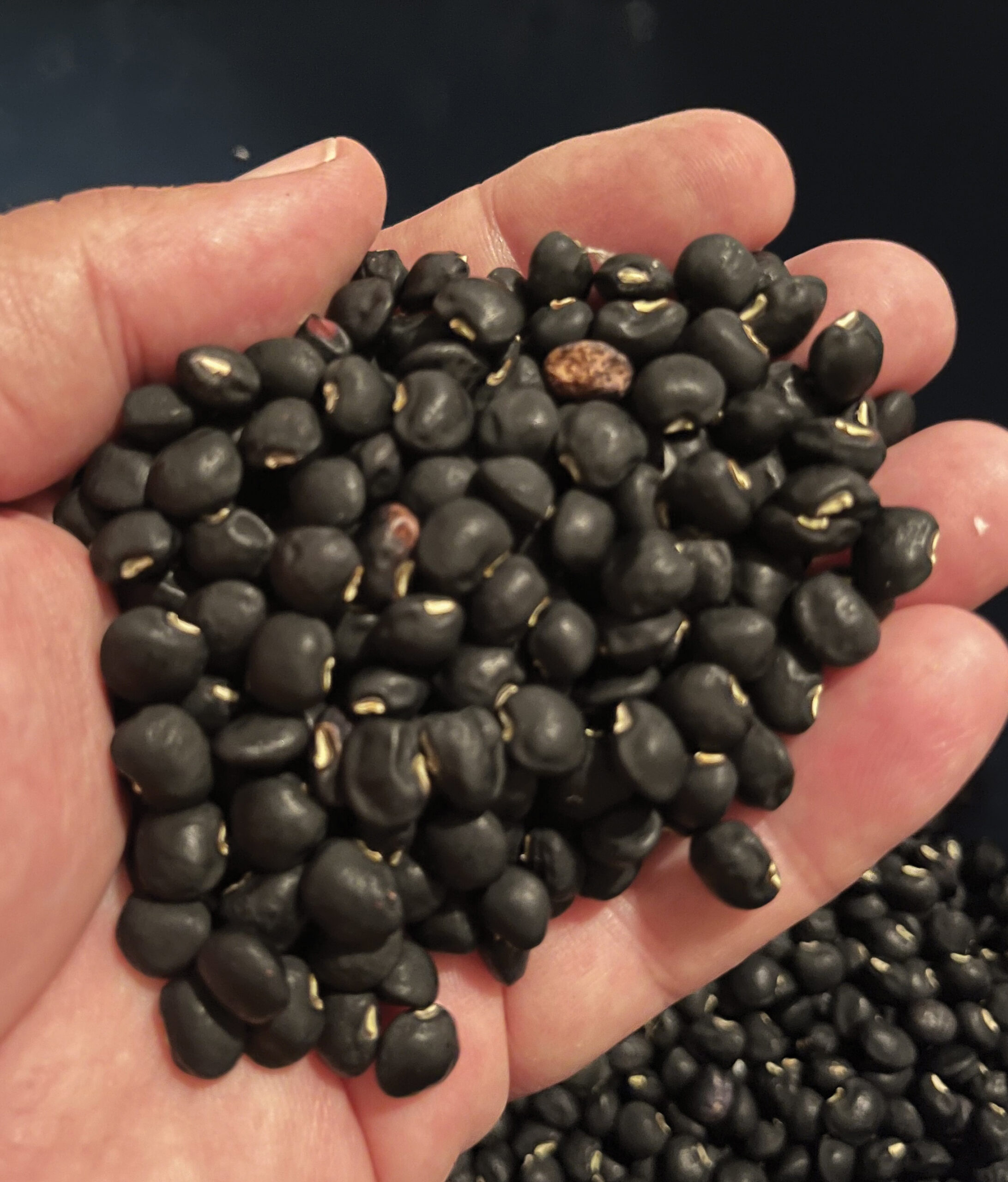
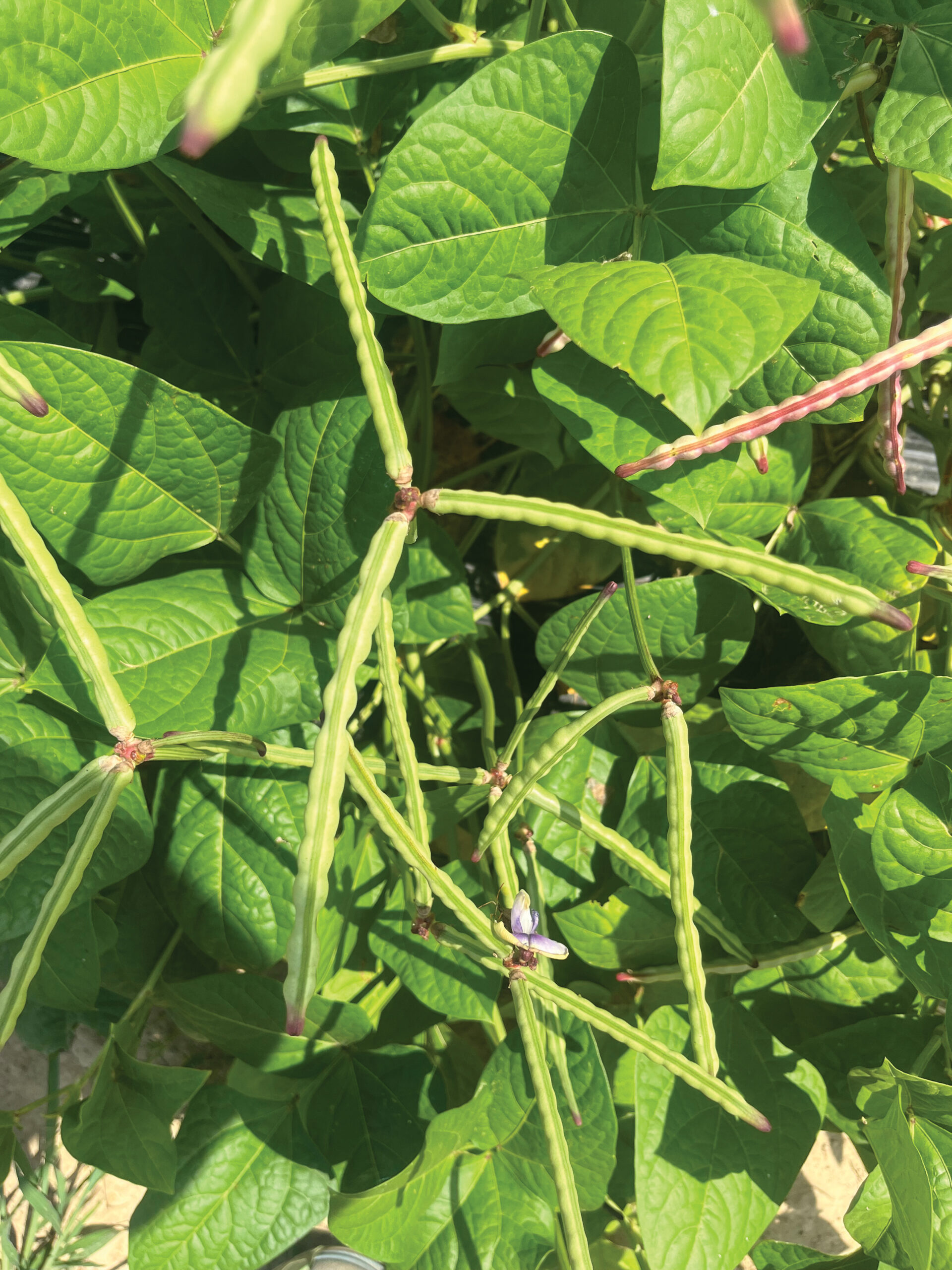
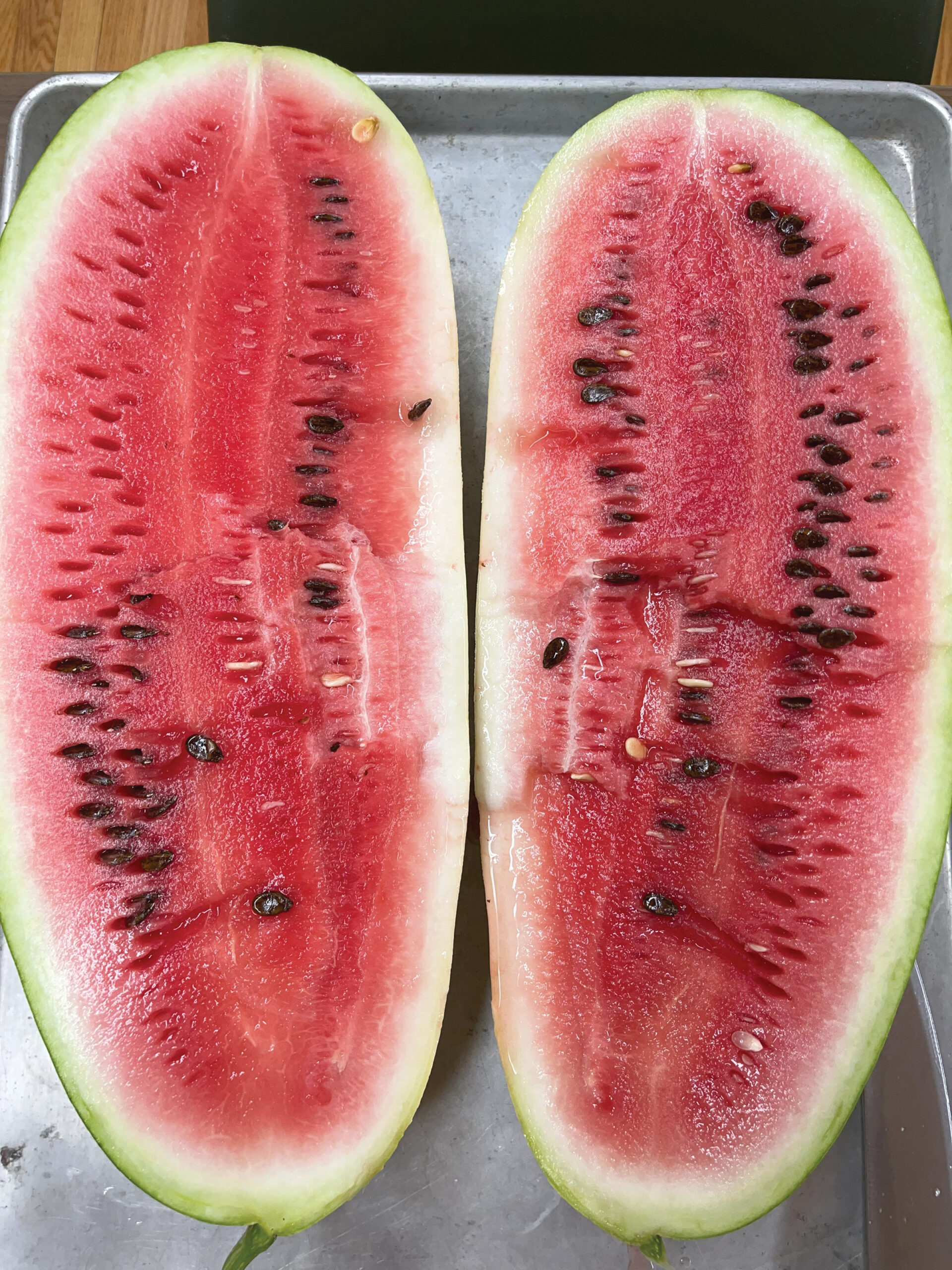
What’s new in “heirloom world” lately? Well, a lot. I had the good fortunate to grow some new varieties out at the LSU AgCenter’s Sweet Potato Research Station just south of Winnsboro this year and, good grief, the seeds! A black crowder pea that comes from Richland Parish has shown up in several places around central and northern Louisiana. I don’t understand why this little pea hasn’t caught on more. It’s uber productive and like most other field peas, holds up to our sweltering summer with no problems. Another variety I grew out this year is ‘Calhoun Crowder,’ an LSU release from the early 1940s. Again, I have to wonder why this isn’t still a commonly grown variety in our local gardens because this little crowder pea is a beast. And it’s downright attractive in the garden! Crowder peas are named thusly because the ends of the seeds are truncated instead of rounded like in regular purplehull peas. Thus, they are “crowded” into the pod. Get it? The seeds dry down so they’re way smaller than regular field pea seeds, but like the black crowder pea, ‘Calhoun Crowders’ are extremely productive and will make peas all summer long if they’re harvested regularly. The real star of the show this season has been a cream pea that was sent to me by the Weinberg Family of Rose Hill, Texas. This is a cream pea which I know is a favorite among field peas in our area. The Rose Hill Cream Pea is delicious! It even makes a milky/creamy pot liquor and, of course, it will give you more seeds than you know what to do with if you let some pods dry out on the vine. These three peas are highly recommended for your home vegetable gardens next year. And finally, what heirloom garden is complete without an heirloom watermelon? This year, it has been pure joy to grow the ‘Calhoun Gray’ Watermelon again! It’s been three or four years, and I was hopeful the seedstocks I had left were still viable. They were! ‘Calhoun Gray’ is the result of crosses made between ‘Charleston Gray’ and ‘Calhoun Sweet,’ the latter being the subject of many a mouth-watering soliloquy by folks who came in the office wanting to know where they could find the old melon. ‘Calhoun Gray’ has a distinctive flavor and is perfect for home gardens because of its resistance to Fusarium Wilt. Thirty pounds melons are common and if grown with no other watermelon, preventing cross pollination, seeds can be saved from year to year. The sweet, dark red flesh of a ‘Calhoun Gray’ is just the thing on a hot, sweaty, summer day and I’ve said before that watermelon is just one of those foods that both quenches your thirst and satisfies your hunger. Seeds of ‘Calhoun Gray’ will be available from the North Louisiana Seed Preservation Program as soon as I can get them processed. Marcie Wilson, my colleague in Tensas Parish, is growing out ‘Calhoun Sweet’ this year, so those seeds will be available, too.
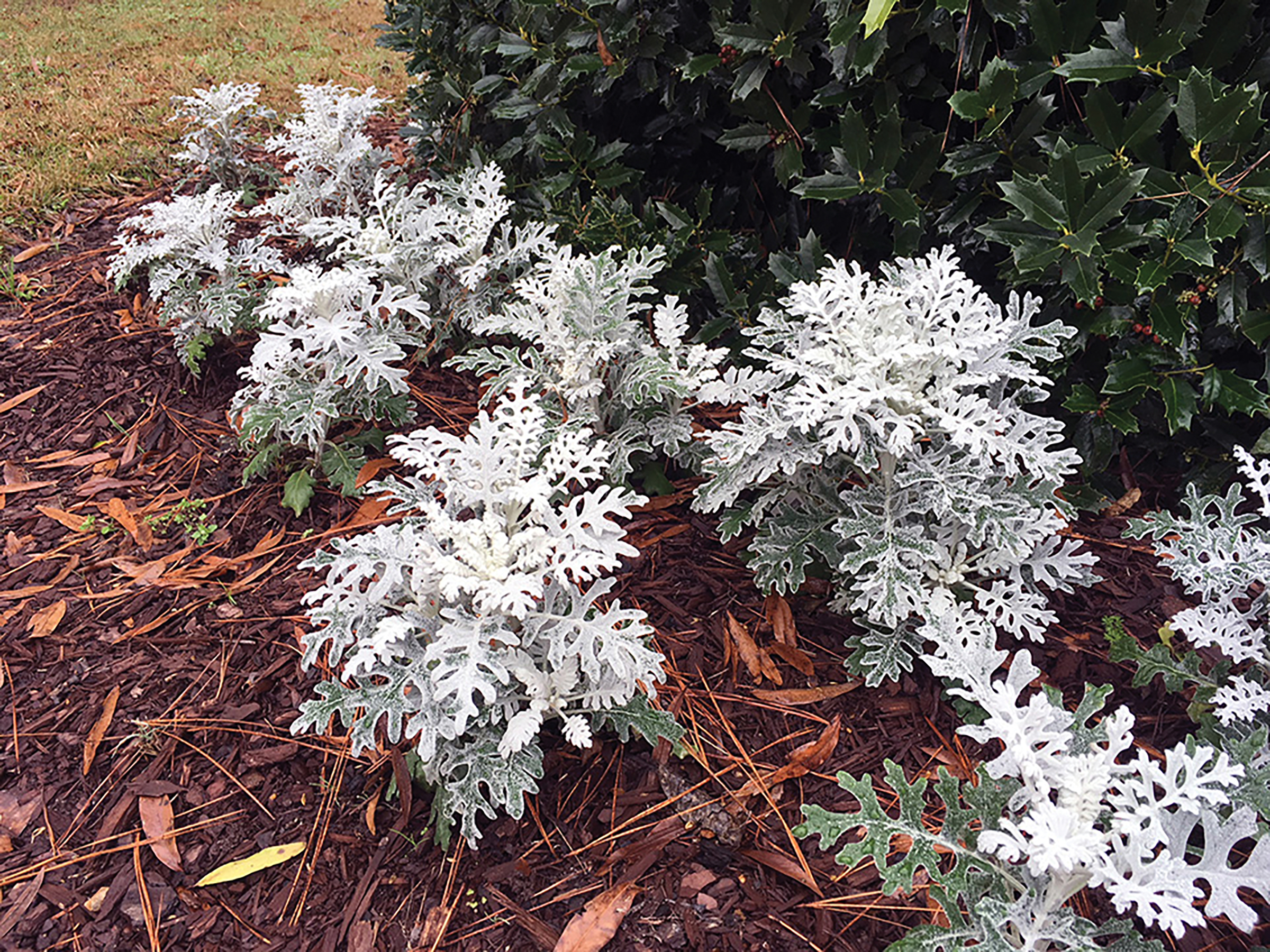
Let’s look around the landscape now! As we prepare to move into the cool season think about what will hold up to our relatively mild fall and winter temperatures and ever-present humidity. The last of the 2025 Louisiana Super Plant selections is an old friend, Dusty Miller (Jacobaea maritima). What fall ornamental bed would be complete without an edging of Dusty Miller and its popularity is easy to understand when you think about the silvery foliage providing not only great color but interesting texture to a bed of cool season ornamentals. Now, don’t get me wrong. Foliage isn’t its only favorable character; Dusty Miller will also provide floral color the next summer by putting up bright yellow blooms. Additionally, Dusty Miller is deer-resistant and that’s becoming more of a desired characteristic with home gardeners. As more land is cleared for neighborhoods and shopping areas, deer are becoming more of an issue in our gardens and we’re always looking for plants deer won’t eat. That list is short. But Dusty Miller is on that list. The silver tone of the foliage is due to hairs that serve a physiological purpose: they reflect bright sunlight in the plant’s native habitat. Dusty Miller will pair well with other deer-resistant plants like Lantana and Gaura, which is also a 2025 Louisiana Super Plant! Look over the other cool-season Louisiana Super Plant selections and build a color and texture profile in your beds that reflect something that is uniquely you! Don’t forget natives, and the cultivars of native species that are available from garden centers. One that jumps to mind quickly is goldenrod. I keep a few patches in my landscape, and you should, too! Goldenrod is perfect for attracting late season pollinators and providing brilliant late summer and early fall color. ‘Fireworks’ Goldenrod is a compact variety that is perfect in areas where space is premium.
Let’s check the calendar this month! I’ll be speaking to the Olla Garden Club on Thursday morning the 11th, then at a seminar on home composting at the Rapides Parish Extension Office on Saturday morning the 13th. Then, I’ll be speaking at Pinnacle Health, which is right beside the extension office on Cypress Street, on gardening for a healthy lifestyle on Monday the 29th.
Let’s end the 2025 summer growing season on a great gardening note!