



In The Garden With Kerry Heafner
Happy 2025! With a new year comes new opportunities in the garden! While we’re between seasons, there’s also time to look back on 2024’s garden “experiments” and assess and build on what worked and leave behind what didn’t.
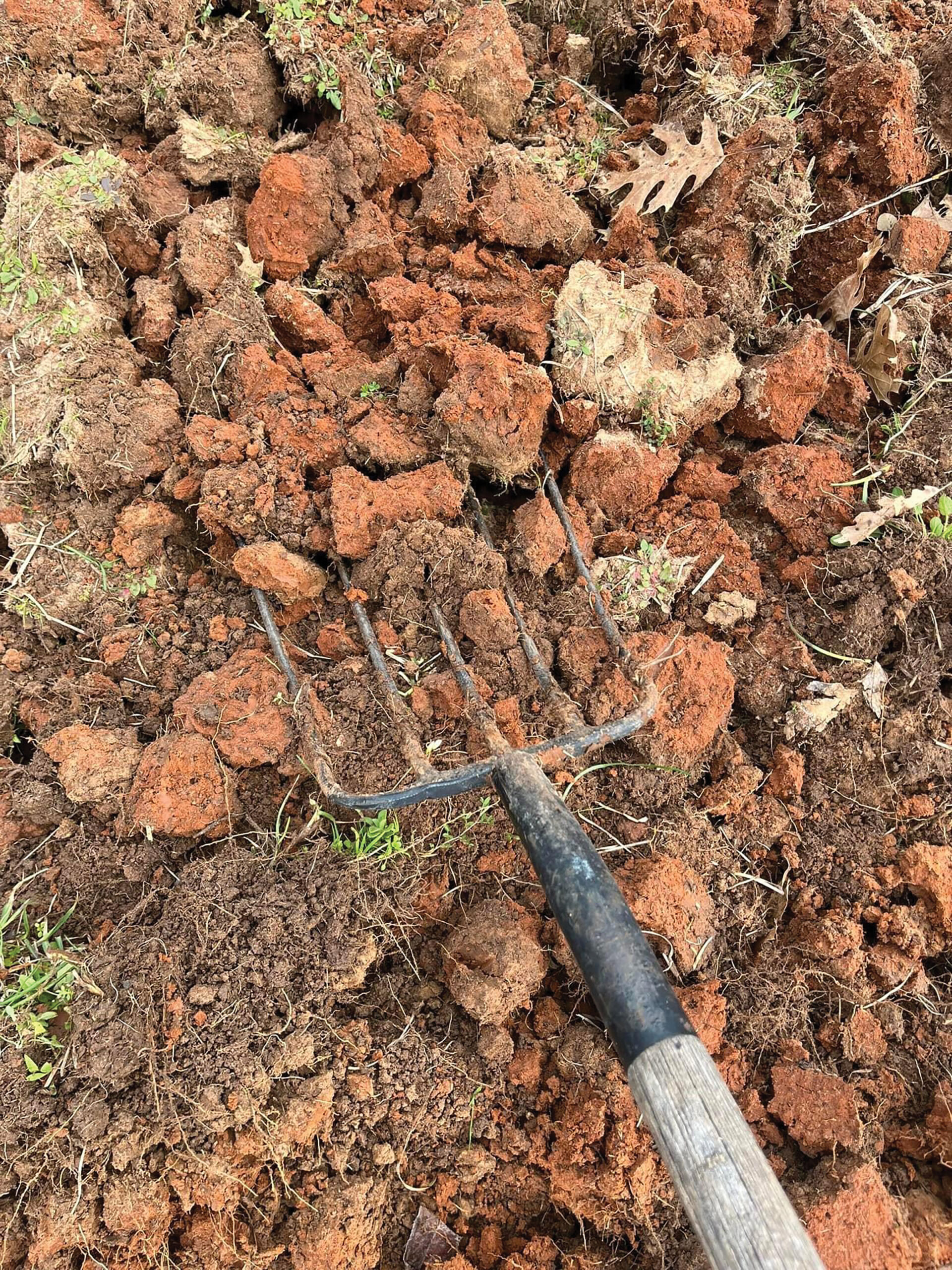
One project that continues to work incredibly well is amending sandy clay soil in my home gardening area with organic matter in the form of homemade compost, chopped leaves, grass clippings, and any other amendment I can find that Mother Nature provides. It seems most novice gardeners mistake clay soil for infertile soil and I’m here to tell you that simply isn’t the case. Clay soil is perfectly fertile enough, it’s just hard to cultivate, and most novice gardeners are too impatient to take the time to use amendments to remedy this. Real soil can’t be purchased in a bag. The bagged material marketed with the buzzword “organic” is nothing more than finely shredded peat moss, pine bark, leaves, and/or other material combined with a little vermiculite for drainage. It’s mostly infertile (little to no nutrients), sterile (no beneficial microbes), and doesn’t hold moisture very well. Put simply, it’s junk. On the other hand, native soil, including clay, is naturally fertile and teaming with microbes that play large roles in nutrient cycling. In just two seasons, I’ve managed to convert an area of red, sandy, concrete-like clay into workable, productive soil that has paid dividends!
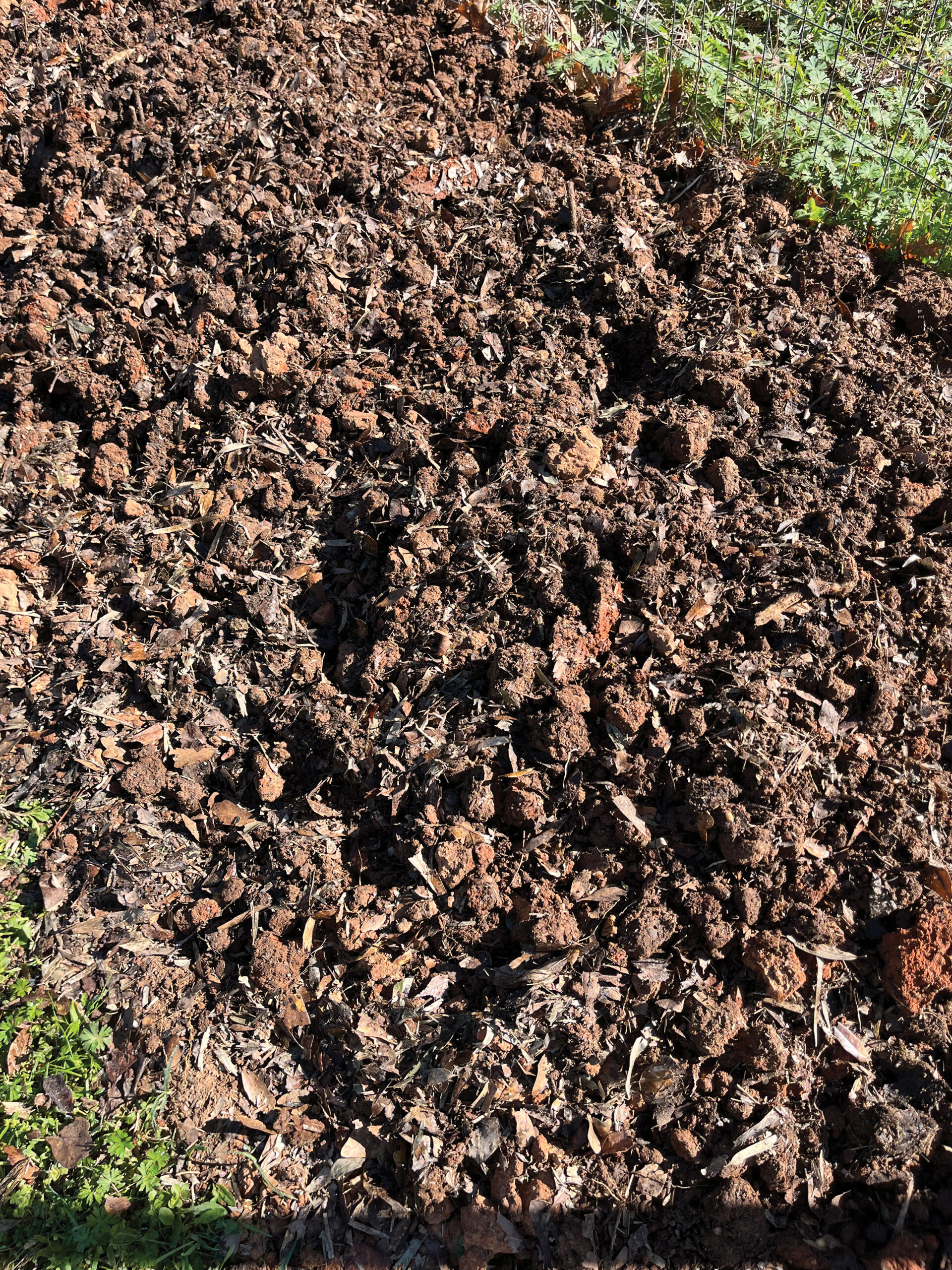
If you’re the type to rake your leaves up into a pile and light a match to them or to bag them up to go to the landfill, you’re really missing out because leaves are a great source of organic matter that do a great job of breaking up hard, clay soils. They also add nutrients back to the soil; as soil microbes break them down, nutrients tied up in that leaf tissue are made available again for uptake by actively growing plants. Homemade compost is also a great source of organic matter and nutrients. If you don’t have a backyard compost pile, add establishing one to your list of New Year’s resolutions. Your gardens will thank you! The first season yielded watermelons, squash, cucumbers, tomatoes, eggplants, multiplying shallots, snap beans, and probably something else I’m forgetting. That’s after just one winter of amending. And these were all heirloom varieties. That’s right, I grow varieties that do not have disease resistance bred into them. It turns out, if your soil is healthy and biologically active, you don’t need varieties with disease resistance and you will find yourself using fewer pesticides and synthetic fertilizers. Insect pests home in on stressed plants and leave healthy plants alone for the most part. The second season, 2024, also saw high yields of summer vegetables.
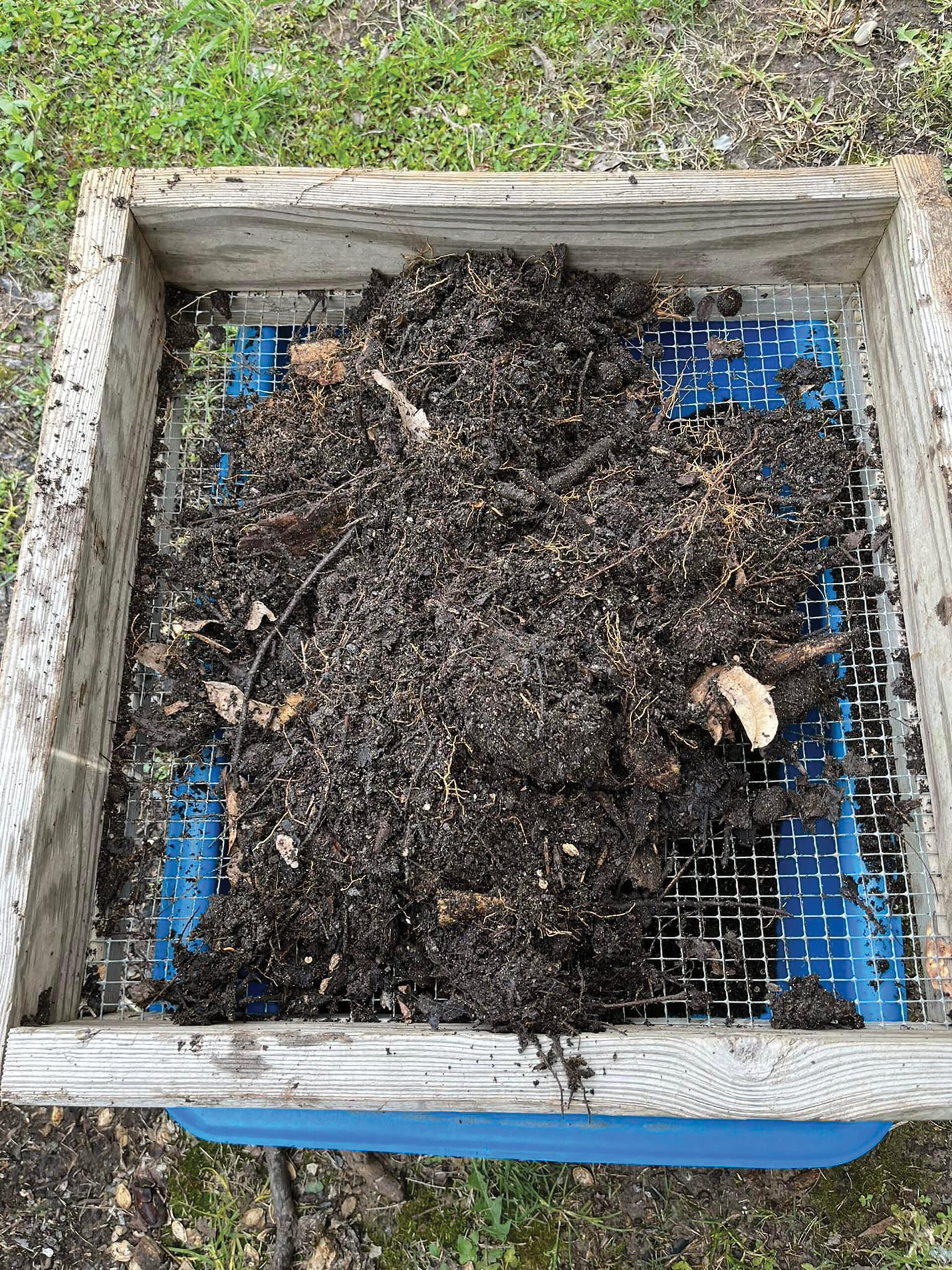
Here’s something else that worked: a cover crop. Daikon Radish, in this case. Cover crops are grown in between regular crops, and they do a couple beneficial things. First, they are something with live roots growing in the soil providing beneficial microbes with a carbohydrate source to feed on. And their root systems help break up clay soils. Also, when the next real crop is ready to go in, cover crops can be turned into the soil as a source of organic matter. Root vegetables like radishes or beets, legumes like clover or vetch, or cool-season grasses like ryegrass make great cover crops. Last season, I sowed Daikon Radish seeds in one area a little too thick, but no matter. They produced long taproots and oodles of green tops. To terminate the crop, I cut the green tops off and tossed them onto the compost pile. Then, I simply left the roots in the soil to start decomposing so, you guessed it, organic matter is added to the soil. When time came to plant the vegetable crop in spring, the soil turned over s0 much easier than the previous year, and was teaming with life! It’s amazing how quickly the color and structure of soil changes when building healthy, biologically active soil is the goal.
Okay, what didn’t work? Gosh, I don’t know.

Looking ahead to the coming season, I can’t wait to get some more of the Winn Parish English Pea planted in 2025. Time got away from me last spring, so I want to make up for that by increasing seed stock of this wonderful, productive English Pea this coming year. I also want to experiment again with a number of LSU tomato varieties in the home garden this year. Varieties like ‘LA Pink,’ ‘LA Red,’ ‘All Seasons,’ and ‘Red Global’ were all developed for production in the humid Gulf South. ‘Case Knife’ pole beans will also be making another appearance, as will the ‘Ma Savage’ bean from Union Parish. I’m especially excited to try these in this amended soil. I’m also looking forward to establishing a new heirloom garden area at the Sweet Potato Research Station in Chase, just south of Winnsboro. Discussions are ongoing, and I hope we can use that space for seed increase work for the North Louisiana Seed Preservation Program, especially peas and beans. The diversity in legumes is mind-boggling! Corn, too.
Mark your calendars for Saturday, February 8th, and come to our statewide seed swap hosted by the North Louisiana Seed Preservation Program and the LSU AgCenter. The swap will be held at the Southern Forest Heritage Museum in Longleaf, which is just north of the Glenmora, Louisiana. Our goal was to have this seed swap last month, but events came up, so we had to postpone it. The pavilion at the Southern Forest Heritage Museum is over 5,000 square feet so you’ll have plenty of room to visit seed swappers/vendors and gather goodies to grow in your gardens. It will be like Comic-Con for plant nerds. We have seed vendors coming from as far away as Tennessee and Alabama, so it should be a magnificent event. We hope to see you there.
January allows us to pause from the frenetic pace of the holidays and savor time spent with friends and family. Eat some delicious food. Peruse your favorite seed catalogs. And start preparing for your spring gardens by building healthy soil with material you have easy access to. Last month, December, marked a milestone for me. I’ve had the privilege of being your LSU AgCenter horticulture extension agent for a decade. It’s a hoot. I hope I can continue to serve this community in this capacity for another ten years.Alright, 2025: bring it!