



In The Garden
article by KERRY HEAFNER
Spring is springing and as we move into May, the effects of Winter Storm Fern are still visible in treetops. If the cloud of Fern has a silver lining, it’s that all of the tree debris, branches to trunks to leaves, can be used in our gardens and landscapes. I don’t know what the plan is for all the ground up wood piles on Kansas Lane. But, if allowed to age down for a year or so, that material would be some of the best mulch a gardener or landscaper could ask for. If left for a few years, the piles will eventually compost down into the blackest, richest soil amendment a gardener could ever imagine. This was our experience at the zoo ten or so years ago. Again, I don’t know what the plan is for all that material. But my hope is that it would be made available to local gardeners. We’ll see, I guess.
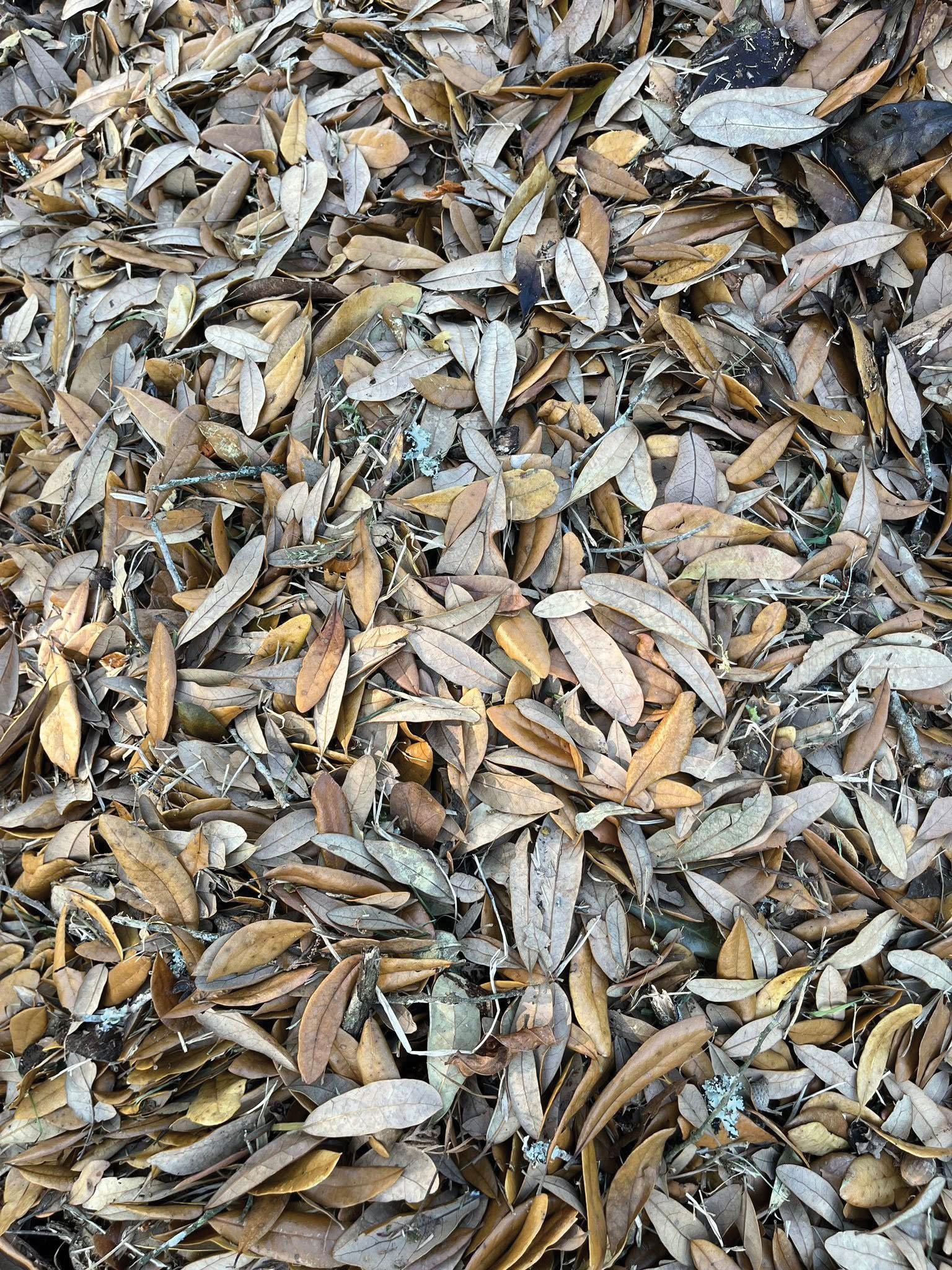
Fern hit before Live Oaks went through their annual, early spring leaf drop and, during April, bags full of leaves were tossed to the curb with piles of Fern debris. You’ve heard me preach this before but it’s worth repeating. Those leaves are worth their weight in gold. Black gold! While out doing home visits this spring, I didn’t mind tossing a bag or two of leaves into my truck bed to take home and add to my own soil. Folks, you simply will not find a more cost-effect way to amend clay soil than using what Mother Nature provides for free. A simple chop with the lawn mowers and those oak leaves are on their way to being converted into decomposed organic matter that makes hard-to-work clay soils so friable a shovel blade will go down up to the hilt with no effort. Beneficial earthworms will find their way to your beds and will help the process by chewing up organic matter and leaving your soil with nitrogen-rich castings (worm poop). Beneficial soil microbes will thrive also breaking down organic matter but also aiding nutrient cycling. And your plants will reward you handsomely. Nutrients tied up in all that dead leaf material will again be available to actively growing plants that ultimately will need fewer inputs. The bottom line is, your plants’ roots will be in a healthier situation than growing in any of the popular bagged growing media, which are essentially sterile and completely lack nutrients. Healthy roots mean healthy plants. This begins with healthy soil. Sermon over.
Lawn care is in full swing for the 2026 growing season and we’re coming up on the perfect time to aerate and dethatch lawns if they’ve never had that done. Granted, your lawn won’t look “mahhhvelous” immediately after these tasks are done. But it will look and perform much better long term. Aerating every few years will help ease soil compaction and allow water, oxygen, and nutrients to reach the root system where they’re needed most. Having some organic matter in the lawn’s soil is good. But over time, too much can build up and this can be problematic. Dethatching every few years will remove the layer of organic build up that prevents water and fertilizer from reaching the root system. Late this month or early next month is the ideal time to do this.
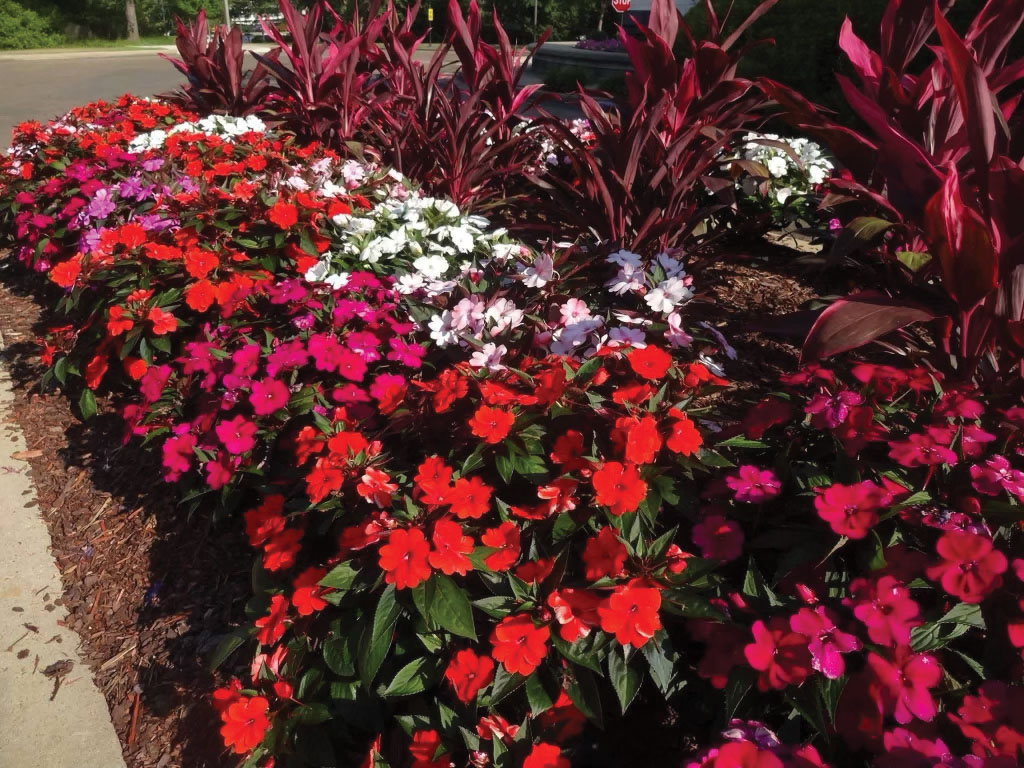
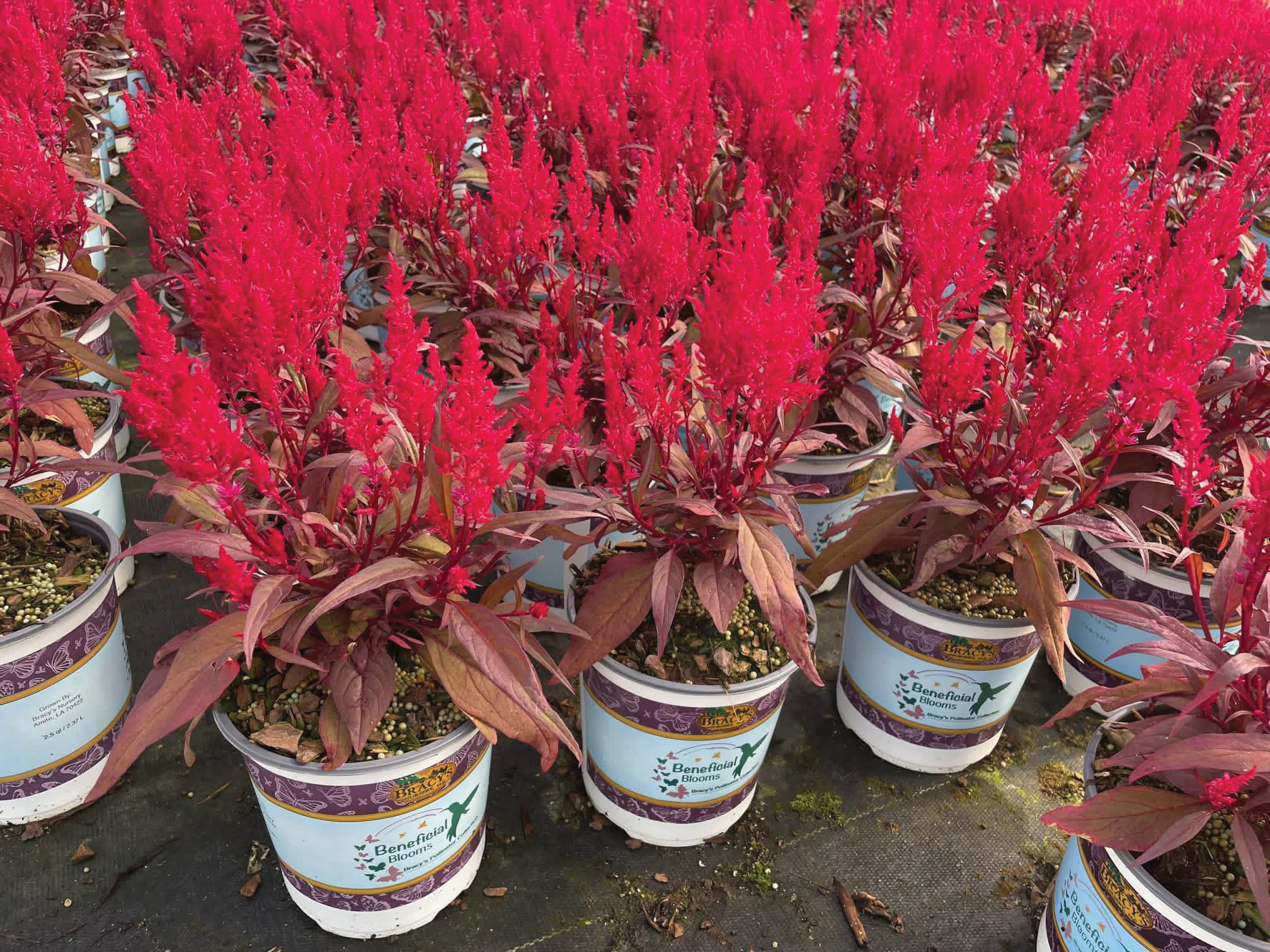
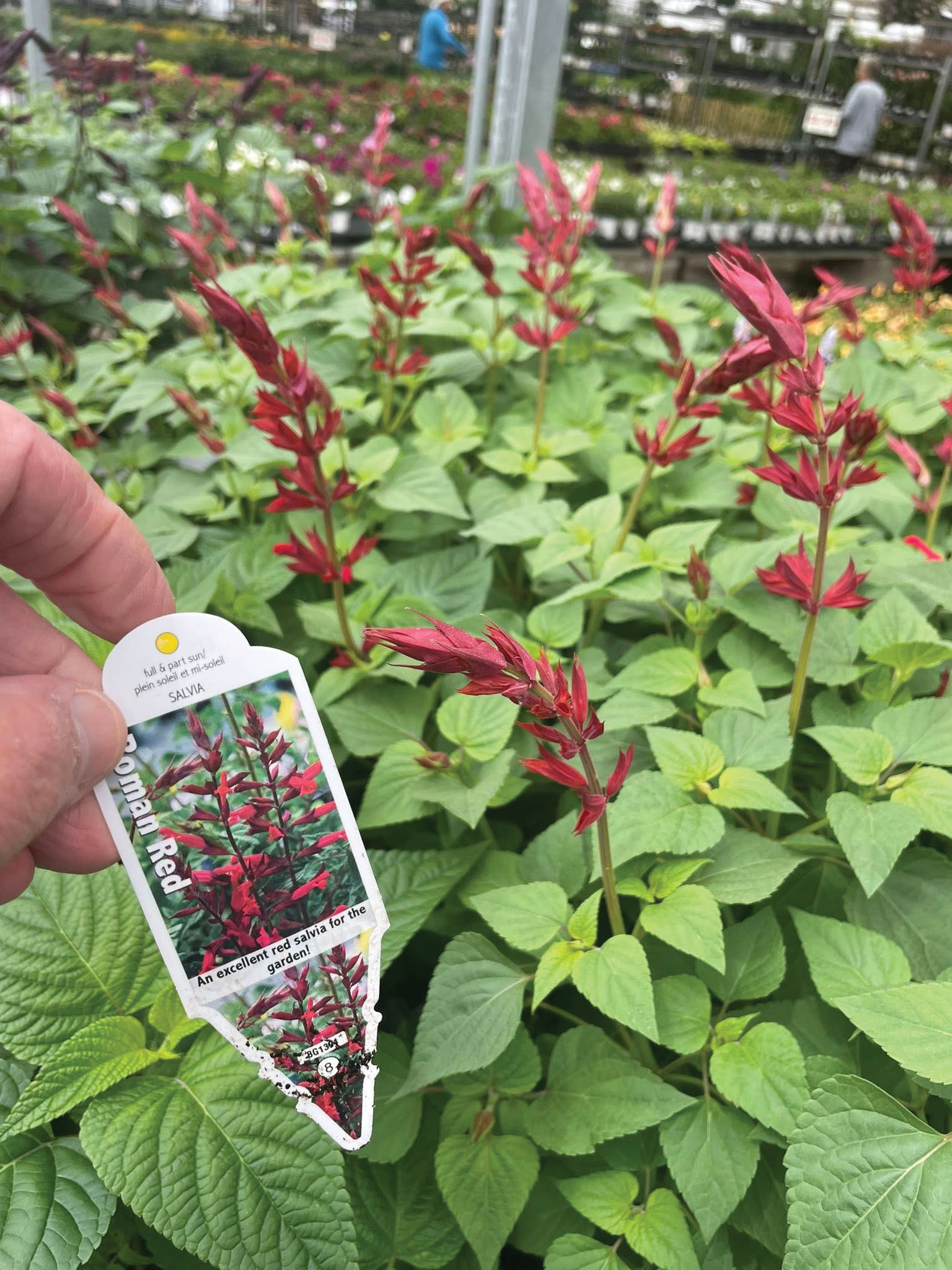
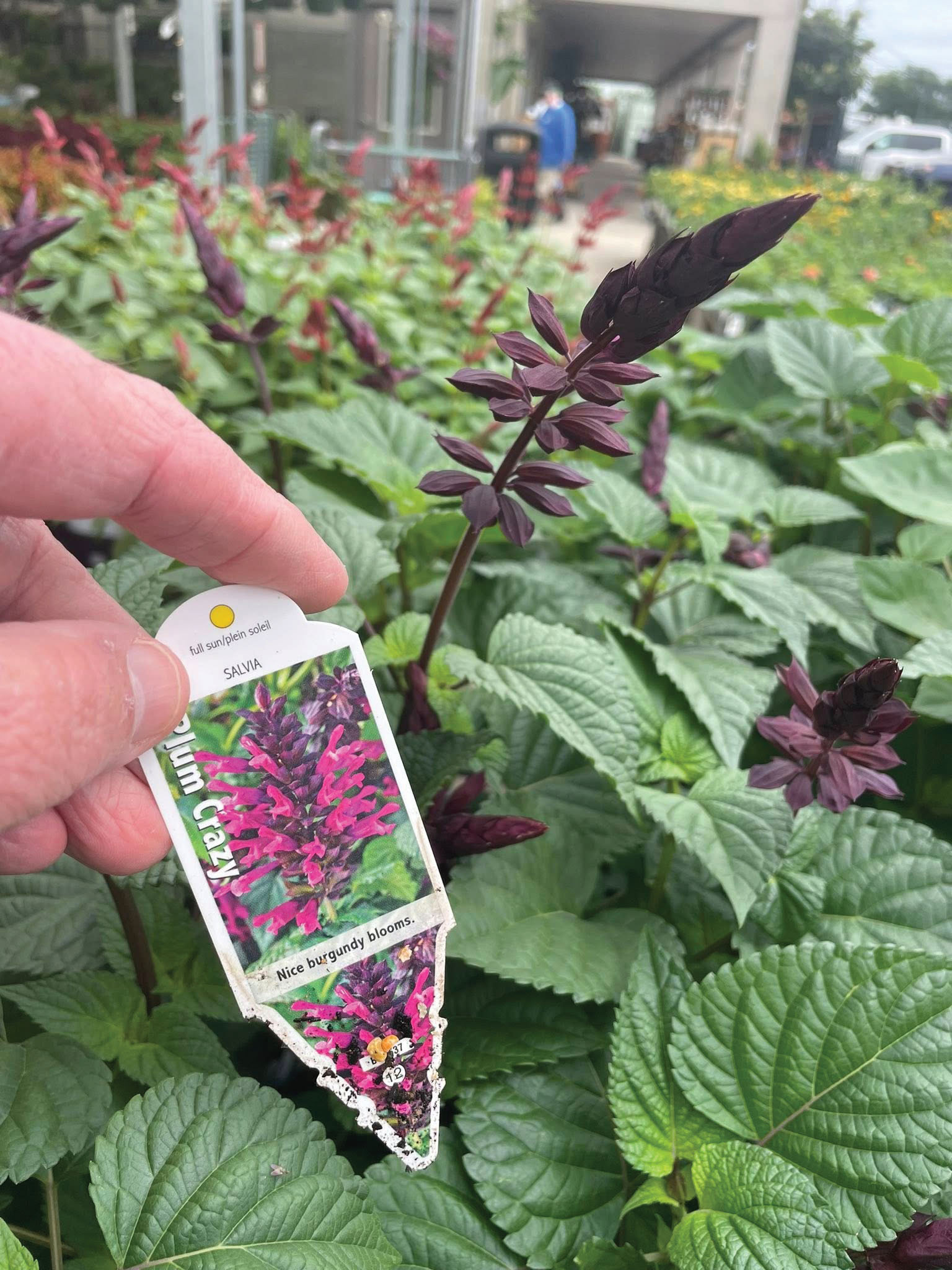
Color, color, color! That’s the name of the game if you want to attract hummingbirds and pollinating insects to your landscape this year. Look for Louisiana Super Plants when you visit locally owned garden centers. Two celosias now have Super Plant status and for good reason! ‘Dragon’s Breath’ has fiery plumes of bright red flowers and even red foliage for added texture. ‘Intenz Classic’ has magenta flowers all summer long and you will see literally clouds of pollinators swarming those magenta flowers until the first heavy frost next fall. The ‘Compact’ series of SunPatiens® is the way to go if you have an area that is mostly sunny but still gets some shade but are looking for something that stays about thirty inches tall or less. I’ve never seen them that tall, but if they’re happy they’ll show it! There’s no shortage of colors to choose from. Everything from ‘Blush Pink,’ to ‘Deep Red,’ to ‘Classic White’ and everything in between is sure to brighten up any spot in your landscape. And, of course, who can forget salvias when talking about attracting hummingbirds! ‘Roman Red,’ ‘Skyscraper Pink,’ and ‘Plum Crazy’ are all perennial and will give you season after season of nectar for hummingbirds. Find all of the Louisiana Super Plant selections on Facebook at LSU AgCenter Louisiana Super Plants.
Now let’s answer some of the most frequently asked questions from this spring.
Question: Will my Live Oak be okay after the ice storm?
Answer: Short term, the answer is yes. Long term, you’ll need to keep an eye on your Live Oak(s) over the next several seasons watching for symptoms of fungal infection or beetle infestation. If the tree starts shedding big pieces of bark, or if you see sawdust around the base of the tree or in the crotches of branches, or if you notice sudden leaf browning and sudden, significant leaf drop, or if you notice mushrooms and bracket fungi growing out of the tree’s trunk, then there is cause to be concerned.
Question: Can I trim my azaleas back now?
Answer: Yes. In fact, now is the perfect time to do that. You have a window of time that spans from now to late June or early July before your azaleas set next year’s flower buds. If you wait until late summer or fall to prune your azaleas, you will likely remove flower buds and not have a brilliant bloom next spring.
Question: I set tomato plants out in my raised bed, and they turned yellow and didn’t grow. What did I do wrong?
Answer: The problem here is the medium the bed is filled with. It isn’t real soil. It’s a highly organic growing or potting medium that has essentially no nutrients in it whatsoever. Also, the comparatively large particle size of that material interferes with nutrient ion availability. Ideal soil for plants contains both mineral (sand, silt, and clay) particles and organic matter. Sand, silt, and clay particles are much smaller than most particles of organic matter and many more of those particles can occupy the same volume of space as one large particle of organic matter. Thusly, there is more surface area for nutrient ions to bond to and be exchanged from when water ionizes them off the particles (soil solution). That is, nutrients are more readily available to the plant in real soil than in highly organic potting or growing medium, which is what all that bagged material junk is.
Question: What did you just ramble on about?
Answer: I don’t know. But I think the gist of it was grow in real, native soil and not in bagged potting medium. Tain’t real soil.