



In The Garden
Article by Kerry Heafner
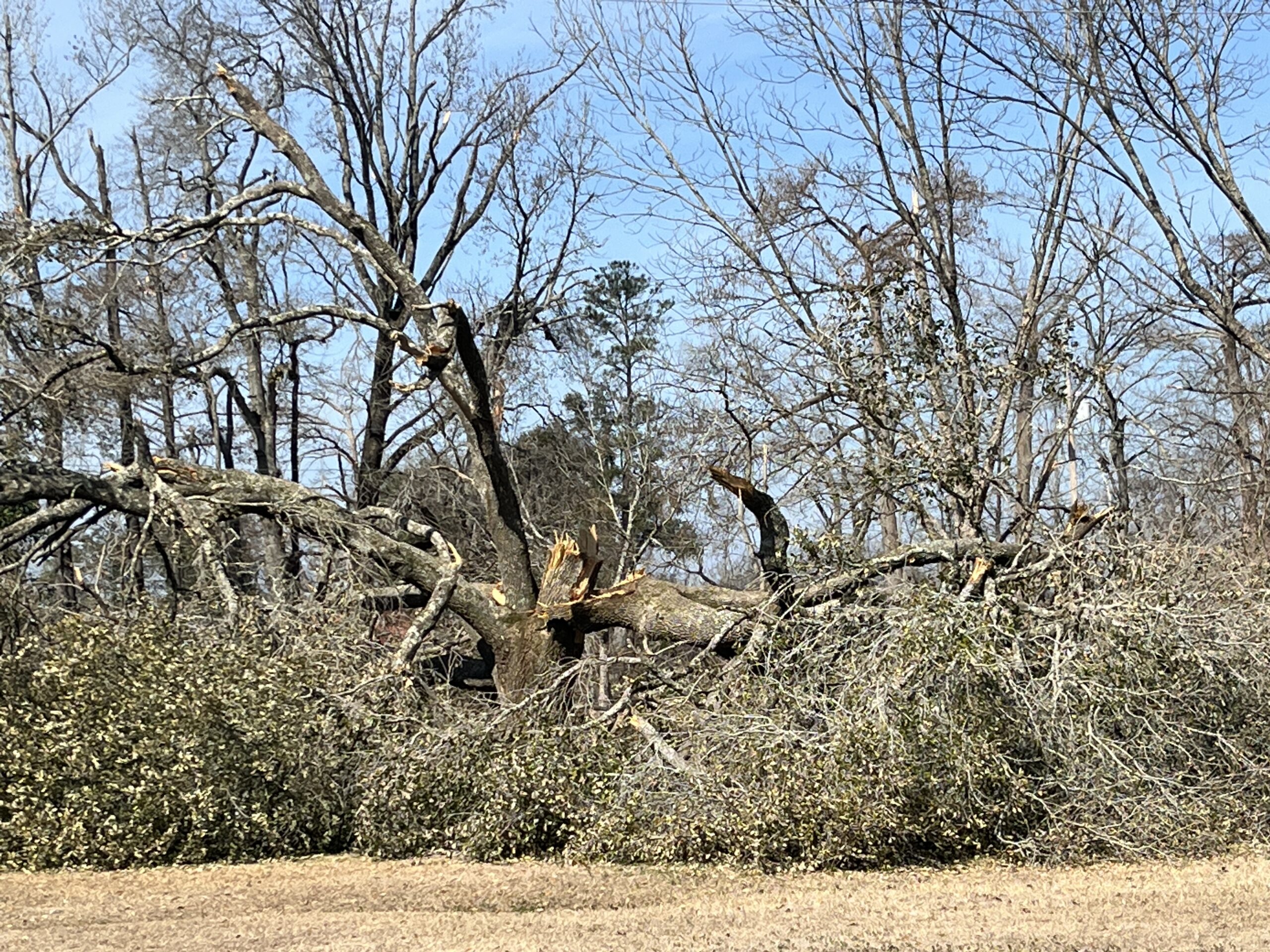
February’s article had already gone to press by the time Fern hit. I hope by now you and yours are as back to normal after the ice storm as you can be. If there is a lesson to be learned from a weather event like Fern, that lesson is this: powerlines + large trees + layers of sleet and freezing rain = a recipe for disaster. Trees and powerlines simply don’t mix, and it seems this message would have been driven home after the tornado touched down in the Garden District in 2014. Damage from Fern was more widespread, of course, and reemphasized the catch 22 associated with large trees in our part of the world. We love our large trees, no question. But, again, large trees and powerlines don’t mix. Three native trees that sustained a lot of damage are Southern Live Oak, Southern Magnolia, and Loblolly Pine. They are simply not adapted for life in situations where they get covered up with layers of ice. They are, however, adapted to life in the coastal south and stand a much better chance of holding up to coastal storms than severe winter weather. These three species are also evergreen. All that foliage provided more surface area for catching and holding sleet and freezing rain and the weight was just too much. Entire live oaks, which naturally have low centers of gravity, were split into two or three pieces. Likewise, some non-natives like Crepe Myrtles didn’t fair very well, either. As I drove around the community post-Fern, I noticed some Crepes sustained no damage at all while others, like hundred year-old specimens in Richland Parish, had their tops snapped off like match sticks.
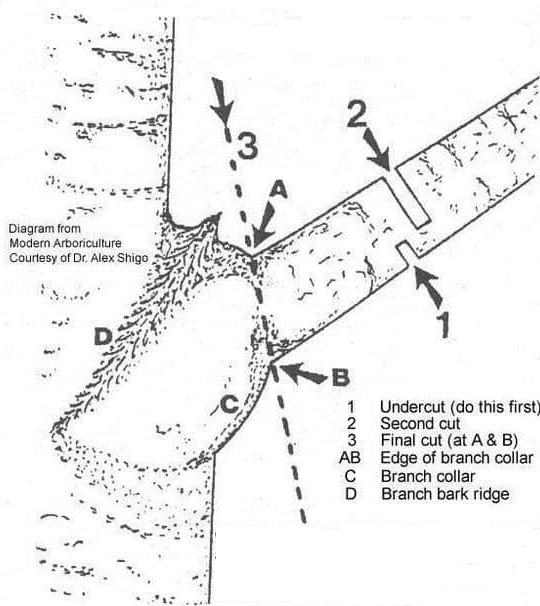
Throughout February, I made a lot of home visits to look at trees for homeowners and give objective advice for caring for damaged trees going forward. When large trees loses a portion of a branch, the best plan of action is to clean the wound up. By that I mean removing the remainder of the hanging branch at the point where it joins either another undamaged branch or the main trunk. There is a slightly swollen ring around the base of the branch. This is called the branch collar, and the branch should be cut as close to and as parallel to this branch collar as possible. This encourages the tree to produce callus tissue that will seal the wound and prevent infection by fungal pathogens and potentially harmful insects.
Additionally, keep these tips in mind concerning large, specimen trees in the home landscape.
Loblolly and other Pines
• Pines were having problems before Fern. The flash freeze in December 2022 plus the heat and severe drought of 2023 stressed pines statewide resulting in significant mortality. They still haven’t fully recovered. Pines can reach well over a hundred feet tall and need to be as far away from powerlines and poles and roads as possible.
Southern Live Oak
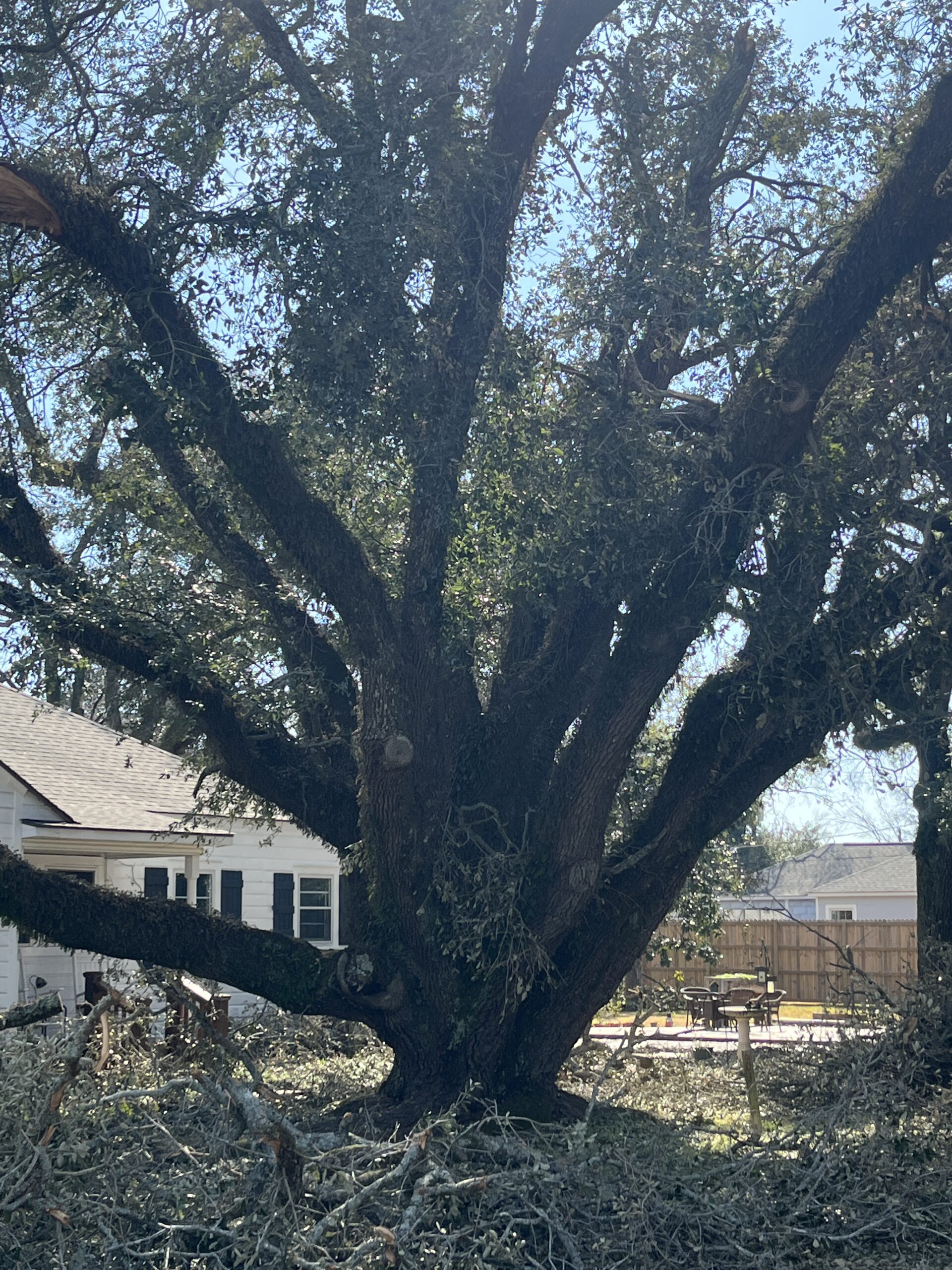
• Live oaks need space. A residential area with homes immediately next to each other is not the place for them. Leave the oak allées are beautiful, but residential streets with power lines is not the place for them. Not only do the branches sprawl outward, but so do the root systems. Preventing a tree’s root system from being able to expand and grow will stress the tree and stressed trees are more likely have problems as they grow. We may be at a point where we need to ask ourselves, “Does a Live Oak really belong in my landscape?”
Southern Magnolia
• Our community has some very large, very old Southern Magnolias and about the best we can do here is clean the wounds up as previously described and keep an eye on them going forward. As with other large trees, keep them well away from powerlines and poles and roadways.
Crepe Myrtles
• Crepe Myrtles are trees. They are not hedge plants. There are better plant choices for creating a hedge.
• Crepe Myrtles need full sun all day long. Shaded Crepes will be spindly and have weak wood which is more prone to splitting in extreme weather like we experienced.
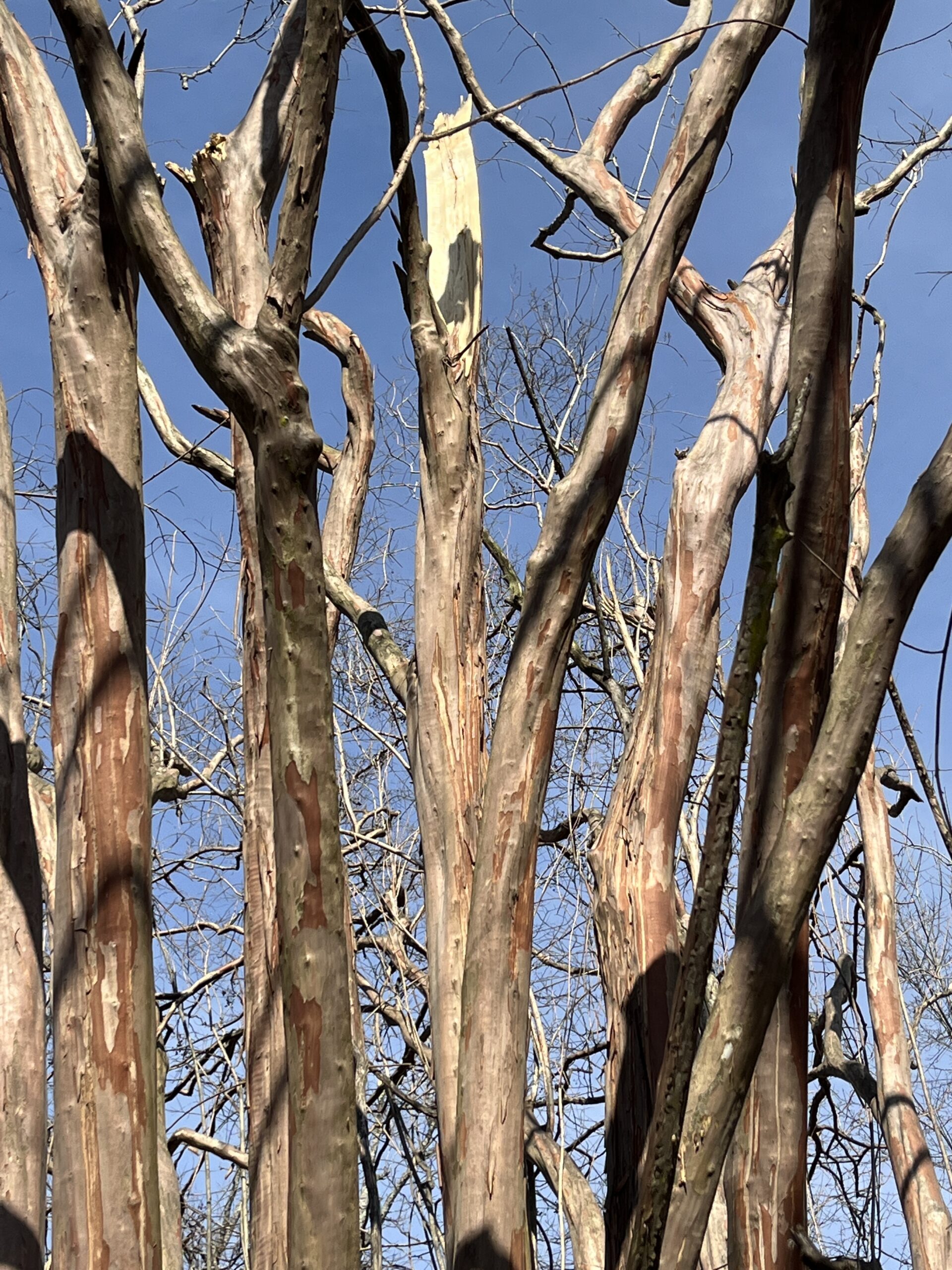
• Crepe Myrtles, and any other tree, should not be planted in an area where the root system will be obstructed. A tree’s root system needs to expand outward but can’t if there’s a concrete walkway, curb, or parking lot obstructing root growth. A healthy root system will mean a healthy tree.
• Stop the practice of annually decapitating your Crepes. Decapitating your Crepes every year will, over time, stress them. That’s when an insect called Crepe Myrtle Bark Scale will show up. Your Crepe will turn black because any one of a group of fungi commonly called Sooty Mold colonizes the honeydew excreted by the insects and turns the Crepe Myrtle black. The branches that do sprout following decapitation are spindly, weak, and flowers aside don’t add anything to the aesthetic of the whole tree.
Feel free to contact me at the Ouachita Parish Extension Office if you have further questions about tree care and are looking for option for replacing trees lost by damage caused by Fern.