



In The Garden
Article by Kerry Heafner
HAPPY NEW YEAR! Cassie said this month’s issue is about renewal, health, beauty, and wellness. The early New Year is a great opportunity to appreciate how our ArkLaMiss gardens and landscapes bring us all these not only during the growing season, but throughout each twelve-month trip around the sun. And 2026 will be no exception!
RENEWEL
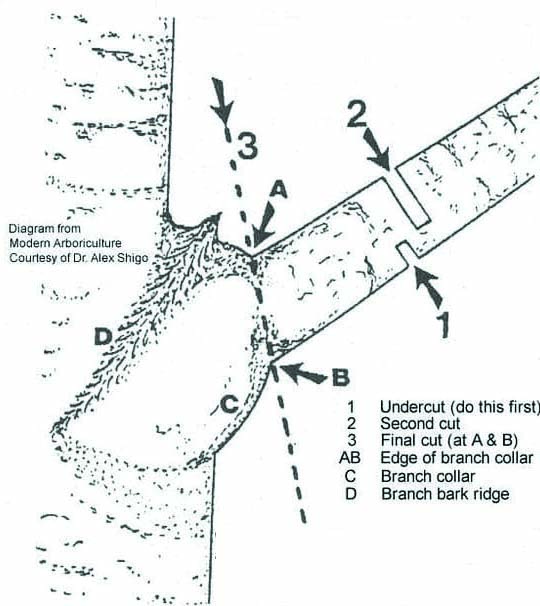
Even in January, when a gardener’s winter doldrums may be at their peak, the northern Louisiana landscape is already showing promise of another rejuvenating spring. This includes our home gardens and orchards. Daylight hours have been gradually increasing since last month’s winter solstice and before we know it, buds will start swelling and the outdoors will start waking up from its winter nap. There’s not a better example of renewal than annual pruning of deciduous fruit trees and vines. Pruning mature fruit trees is a requirement if good production is the goal this season. This month through early February is the perfect time to prune fruit trees to manage size, optimize sunlight penetration and air circulation in the canopy, and to promote flower and fruit production. Two types of cuts are made when pruning: heading cuts and thinning cuts. The goal of heading cuts is to remove the terminal (apical) bud of a branch. This promotes lateral branch growth. The lateral branches are where most of the flowers and fruit will be produced. The goal of thinning cuts is to open the canopy by removing unproductive and unnecessary branches. Good air circulation through the tree’s canopy or bush’s interior will reduce the occurrence of fungal pathogens and sunlight penetration will promote healthy, new growth. If thinning out lateral branches on a fruit tree, always make the cut as parallel as possible to the line formed by the branch collar and bark ridge where the branch attaches to the main trunk. This way, the tree is better able to seal the wound on its own and reduce the risk of fungal infection. Synthetic sealers available at most garden centers aren’t necessary if the cut is made properly. Plus, a synthetic wound sealer may trap excess moisture in the wound and woody tissue which will promote decay.
I’ve said before pruning is the chore most gardeners love to hate. There are those who overthink it, become faint of heart and wind up not pruning enough material off which impacts flower and fruit production. At the opposite end of the spectrum, there are those who take a more quixotic approach and wind up going overboard and stressing the tree or vine. Keep these general tips in mind when pruning fruit trees and vines in preparation for this coming spring and summer.
No two trees will need an identical number of cuts. Each tree is unique in this regard.
Strike a happy medium between removing too little material and removing too much material. You’re not going to kill it. I promise.
If in doubt, give me a call (318-323-2251, ext. 103) and I’ll be glad to come help you make wise pruning choices and offer soothing words.
I bet you thought composting would be the topic for renewal! I can’t pass up a good “soapbox opportunity” so remember your fallen leaves are one of the best resources available for conditioning soil in your beds. Leaves decompose relatively quickly and earthworms, nature’s own underground tillers, will help convert them into one of the finest soil amendments to be had. Thicker leaves, like those of oaks, may take longer to decompose but they’re just as useful. Chop them with a lawn mower or leaf shredder so soil microbes will have more surface area to work on. Keeping them moist will hasten the process, so don’t forget to water periodically if rain events are infrequent. Finally, if a freeze is predicted, leaves make a great mulch that can be layered around plants for protection. Best of all, leaves are free! In today’s economy does it get any better? No tariffs on leaves!
HEALTH
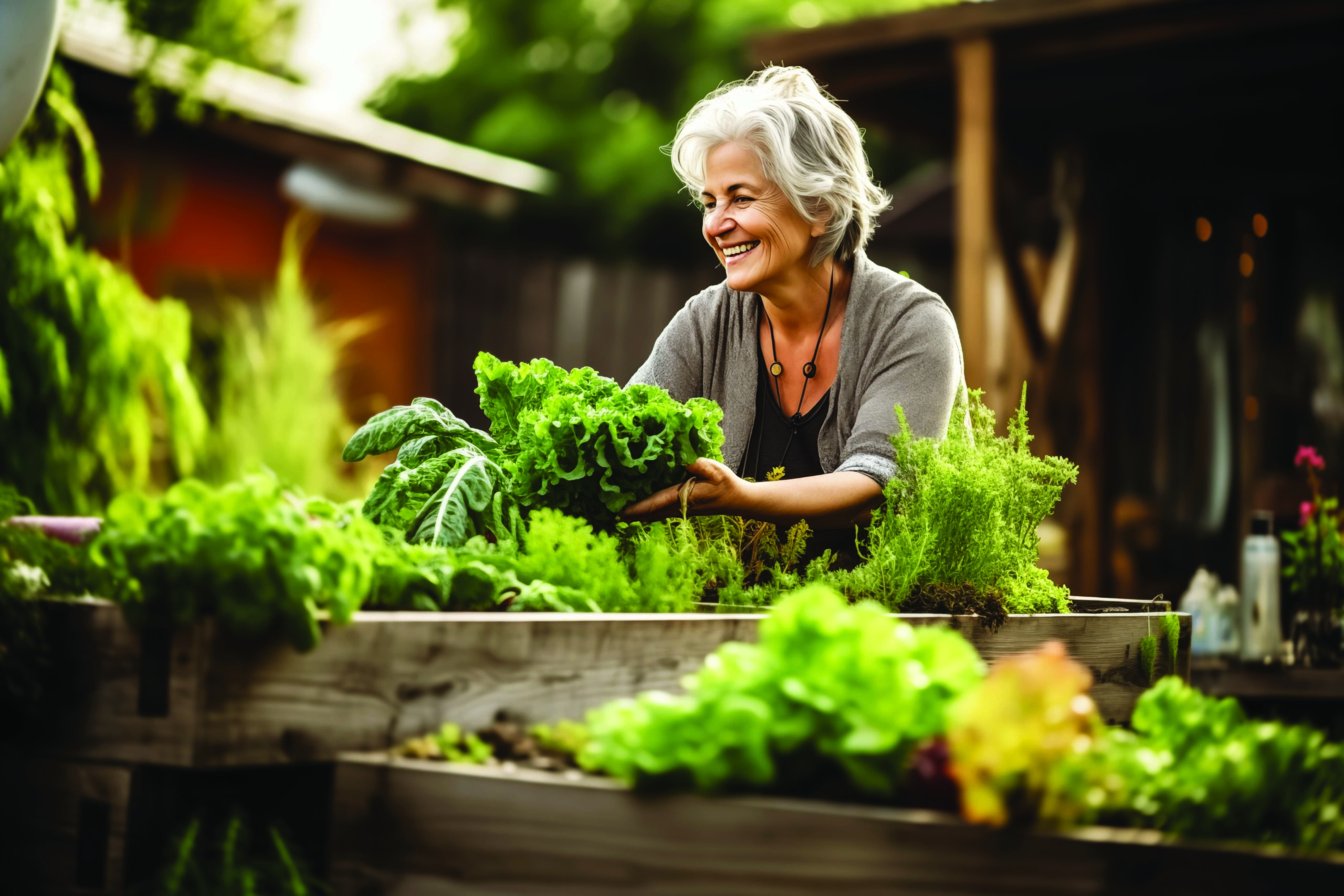
Our gardens and landscapes give us many opportunities to live a healthy lifestyle and that, hopefully, translates into longevity! Have you ever wondered how folks who are up in years get to be…well…up in years? I’m lucky (so far) that longevity runs on both sides of my family. Genetics notwithstanding, ancestors who lived well into their 80s, 90s, or in a few cases longer, likely did so because they ate heartier diets and lived active, more aerobic lifestyles. Farming and gardening came with the territory. They had to grow it, raise and slaughter it, or hunt it in order to eat it. If you have a garden or manage your landscape yourself, then expensive memberships to fitness clubs and gyms are not required. You’ll stay active enough to burn calories and get the heart pumping for sure but healthful benefits of gardening don’t stop with simply burning calories. According to experts at the Cleveland Clinic, gardening is a way to ward off osteoporosis by getting us outdoors into sunshine and fresh air. Sunlight stimulates the production of Vitamin D, which stimulates strong bones by helping our bodies absorb calcium. Using garden tools and pushing a wheelbarrow helps tone muscles and strengthen bones. Gardening has been shown to be good for brain health, too. Being outdoors in fresh air lifts our moods, exercises decision-making skills by selecting what to plant, when to plant, where to plant, etc., and gives us a sense of satisfaction when our plants grow and produce. Plus, a bountiful harvest taken directly from the back yard to the kitchen gives us peace of mind. Personally, I don’t think I feel more satisfied than when most of dinner comes from the back yard. In addition to the sense of accomplishment, I know I’m eating healthier, too! Cooking from scratch using ingredients grown in the home garden is the way to go.
BEAUTY
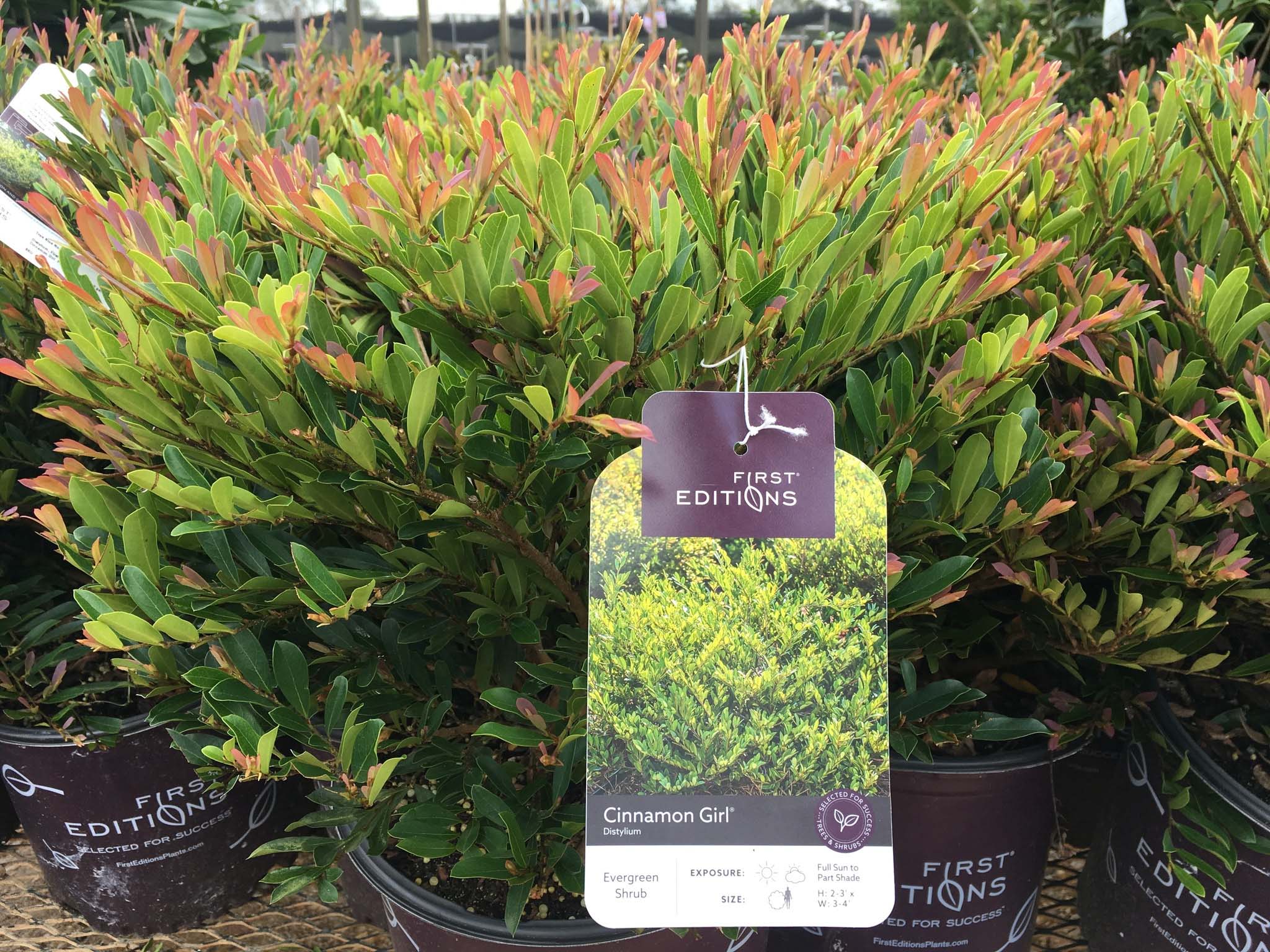
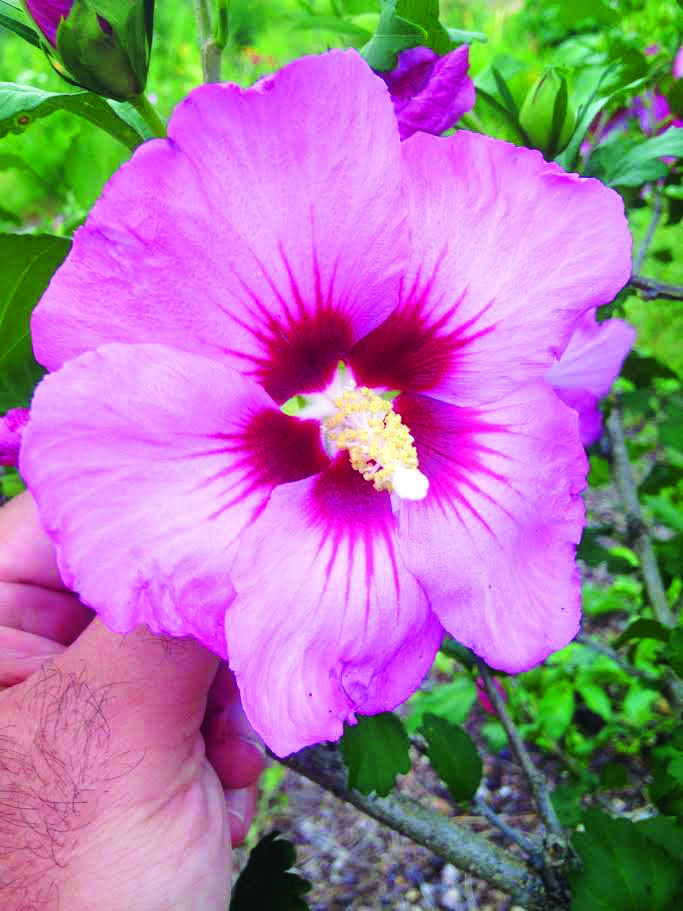
There isn’t a single one of us who doesn’t enjoy living in attractive surroundings and beautiful landscapes. Beauty is in the eye of the beholder, however. To some of us, beauty is trimming azalea hedges in straight lines, a lawn mowed within an inch of its life, and Crape Myrtles cut off like fence posts. Those are not things that I find beauty in. But, like the fellow that kissed the mule said, “Everybody to his own taste.” An undisturbed patch of woods, a fresh cluster of wild mushrooms, the color patterns on heirloom seeds…these are a few of my favorite things. We rely on healthy plants and their brilliant colors to liven up our surroundings and there is still plenty of time to install woody perennials into your landscape for seasonal color. Look no further than the current list of Louisiana Super Plants! If you’re planting shade trees, look at Willow Oak, Bald Cypress, or Southern Sugar Maple. If you’re looking for a foundation evergreen, consider ‘Cinnamon Girl’ Distylium. If you’re looking for summer color in a shrub, consider ‘Aphrodite’ Althea (one of my favorites). If you’re looking for color using foliage, Coleus is a must-have. ‘Henna’ and the ‘Flame Thrower’ series pack a punch and are perfect for both in-ground beds and container arrangements. If attracting pollinators is the goal, there are more options than space here allows, but start with Indica Azaleas, ‘Intenz Classic’ Celosia, ‘Lucky Star’ and ‘Butterfly’ Pentas, and ‘Shoal Creek’ Vitex for early summer. And the list goes on and on and on….
WELLNESS
Productive gardens and landscapes contribute to our overall wellness by giving us aerobic exercise, fresh air to breathe, healthy soil for healthy plants, nutritious food, and eye-popping color. What’s not to look forward to in the new year? I can’t wait and I hope you’re excited too!