



BayouHealth: Hold the Indigestion
Incorporate these tips before, during and after your meal this year, and end your Thanksgiving day feeling as good as you did when you started it.
ARTICLE AND PHOTO BY SHANNON DAHLUM
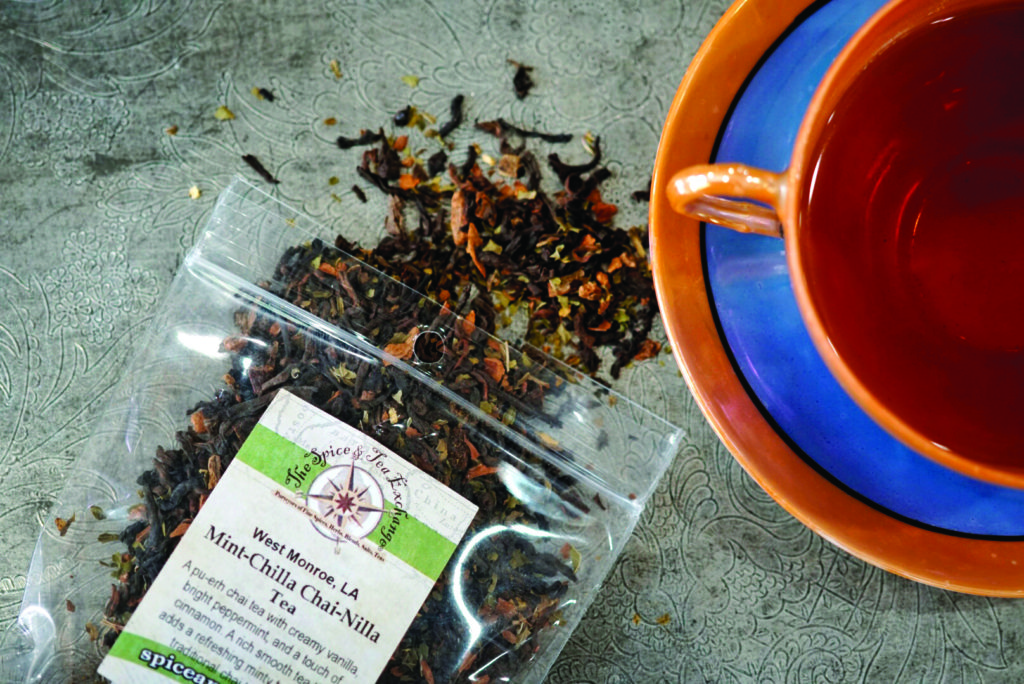
Thanksgiving is kind of a weird tradition, if you think about it. At my house, all the meal planning and preparation often starts at least a week before the holiday. Cranberry jelly is made a few days ahead of time, and the pumpkin is roasted a day or two in advance for the pies. The table is set the day before, with flowers and stems of greenery picked from the yard (or maybe the neighbor’s yard, but don’t tell), along with the variety of china I’ve collected from local antiques shops that only comes out of the cabinet once or twice a year. The kitchen really starts hopping on Thanksgiving morning, and we’re busy for hours, roasting and basting meat, boiling potatoes for the kids’ favorite mashed potatoes, cooking up the green beans from my mom’s garden which she canned for me, whisking up gravy, and everything else that goes along with getting this annual feast on the table. Finally, we all sit down together and “ohh and ahh” over the delicious food, and after what seems like five minutes of eating, everyone’s stuffed and groggy and there are piles and dirty dishes that have to be washed by hand. But somehow, it’s still one of my favorite holidays!
Thanksgiving is a holiday that’s all about the feast. Of course, it’s about family, friends, and all the things to be grateful for, but all of that is centered around food. It seems pretty common for folks to spend most of Thanksgiving day in anticipation of the big meal, and the rest of it overstuffed, exhausted, and absolutely miserable with indigestion. But there are ways to diminish your post-feast misery, without skipping your favorite foods. Incorporate the following tips before, during and after your meal this year, and end your Thanksgiving day feeling (almost, but probably not quite) as good as you did when you started it.
BEFORE THE MEAL
One of the best things you can do to enhance digestion and prevent heartburn or other symptoms of digestive distress is to stay well hydrated. Water helps food move through your body in a timely manner, from your stomach, through your intestines and colon, and then back out the other end. Dehydration will slow this process and can prevent any of these steps from going smoothly, creating an uncomfortable backup.
Chronic low levels of dehydration can lead to low levels of stomach acid, too, which contributes to indigestion and reflux. Too much stomach acid is often to blame for symptoms of indigestion, but in fact, the opposite can also be true. When the stomach doesn’t have enough acid for healthy digestion, food remains in the stomach longer than it should, some food particles don’t get broken down completely, and unhealthy bacteria can grow. All of these problems can contribute to intra-abdominal pressure, which causes food and acid to push back up into the esophagus. The esophagus isn’t lined with a protective barrier to prevent it from being burned by your stomach acid, so even a single drop of acid can irritate your esophagus. The stomach acid is what causes the painful symptoms, but the acid itself isn’t the cause of the problem; it’s the acid not staying where it’s supposed to that creates the issue.
In addition to creating healthy amounts of stomach acid, water is vital for building the protective mucosal barrier inside your stomach and intestines, too. This barrier prevents stomach acid from coming into contact with and damaging the stomach itself, and also helps maintain a healthy bacterial balance in the intestines. Because this layer is composed of more than 95% water, hydration is vital for keeping it healthy. When you’re properly hydrated, this lining swells and provides a thick, protective cushion. When dehydrated, though, this mucus gel shrinks and may lose some if its effectiveness.
To ensure that you’re well hydrated enough to promote heathy digestion come meal time, be sure to drink at least 2 liters of water throughout the day. About thirty minutes before meal time, have a glass of room temperature or warm water to help hydrate your stomach lining, and add a squeeze of lemon to help promote the secretion of stomach acid.
DURING THE MEAL
Bitter tasting foods and drinks can help digestion by stimulating the production of saliva and stomach acid. For thousands of years, people have been making infusions with bitter roots, botanicals, fruits, or seeds as digestive tonics. These bitters were once used solely as medicines but by the late 1800’s, they became a staple in many cocktails. Incorporating a bitter cocktail before or after your meal is one way to enhance digestion, but including bitter components into the meal itself is another way to help your stomach while avoiding the alcohol.
Cranberries have a very pungent bitter flavor and most likely, they already have a place on your traditional Thanksgiving table. Try a cranberry recipe that incorporates orange or lemon zest, because citrus peels are another source of digestion enhancing bitter.
Herbs and spices like dill, parsley, thyme, rosemary, oregano, marjoram, fennel, ginger, cinnamon and peppermint enhance the flavor of your meal and your digestion. Season your roasted meat with thyme, rosemary, and marjoram; season carrots with fresh dill and add parsley to your mashed potatoes. Include plenty of warming ginger and cinnamon to your pumpkin pie or sweet potatoes, and sip on a soothing cup of peppermint tea while you eat or after your meal. If your meal is served with a parsley garnish, eat that, too.
All kinds of bitter greens are a good choice to add to your plate, as well. Try roasted Brussels sprouts, or a salad made with kale or arugula. One of my favorite salads, served at For His Temple in West Monroe, is a kale salad with dried cranberries, and it would be delicious served alongside traditional Thanksgiving foods.
At my house, we’ve always ended the meal with a hot cup of coffee. This is another bitter item that you may already incorporate every day. As long as you don’t go crazy with the cream and sugar, it can be another good way to stimulate digestion.
AFTER THE MEAL
At my house, the first thing everyone tends to do after filling up is head to the couch and “watch the game” (this is actually code for take a nap). Resist the urge! Sleeping slows the digestive process and is a sure way to increase indigestion. Even if you don’t fall asleep, laying horizontally with a full belly can also contribute to reflux and heartburn. Instead, take a walk or head out to the yard for a family game of croquet, kickball, or anything else that keeps you upright and moving.
A study done in 2008 showed that taking a walk after eating helps digestion by speeding the rate at which food moves though the stomach. Other studies, performed in 2009 and 2013, both demonstrated that taking a 15-20 minute walk after a meal led to lower blood sugar levels. Essentially, walking helps decrease the impact the meal has on your blood sugar level, which may help prevent a sugar coma from striking later.
TO SUMMARIZE, HERE’S WHAT YOU NEED
TO DO ON THE BIG DAY:
- Drink plenty of water during the day (at least 2 liters) and be sure to have 8 ounces of lemon water about thirty minutes before meal time. Room temperature to warm water is ideal.
- Include bitter foods and/or drinks to your meal. If someone else is in charge of the meal and there aren’t any bitter items included, raid the spice cabinet afterward and chew on a small handful of fennel seeds! Trust me, it works wonders.
- Take a 15 minute walk after eating to speed up digestion. Enjoy your Thanksgiving Day, and I hope you experience gratitude for your loved ones, for good food, and for healthy digestion!