



Historical Impressions | The Southern Tradition of Service To Our Country
by Guy Miller, Vice Chair Emeritus, Chennault Aviation and Military Museum
Folks who live in the South know we really do have it better than the rest of the country. We have the best food. We have the best music. We have a climate that allows year-round activity. People here are friendlier and more polite than elsewhere in the nation. In fact, if left to ourselves, most of us get along with each other and everyone else pretty doggone well. We tend to know what is truly important in life and not get as easily distracted by the words and silly fads of self-proclaimed Not From Here “experts.” Northerners and Coastal “elites” can try to dismiss us or bloviate all they want; we’ll just smile and bless their little hearts.
One other area where the South has always excelled is patriotism and military prowess. It is without question that the Yankees did not prevail due to better generalship during the War for Southern Independence. The North had overwhelming manpower and resources but the majority of the best military minds of that generation were from the South; men like “Stonewall” Jackson, Robert E. Lee, Albert Sidney Johnson, Jeb Stuart, James Longstreet, and Irish immigrant Patrick Cleburne. Don’t believe the exaggerated hype peddled by the Revisionist Elites; these generals fought for the South because they were patriots of their native Southern States.
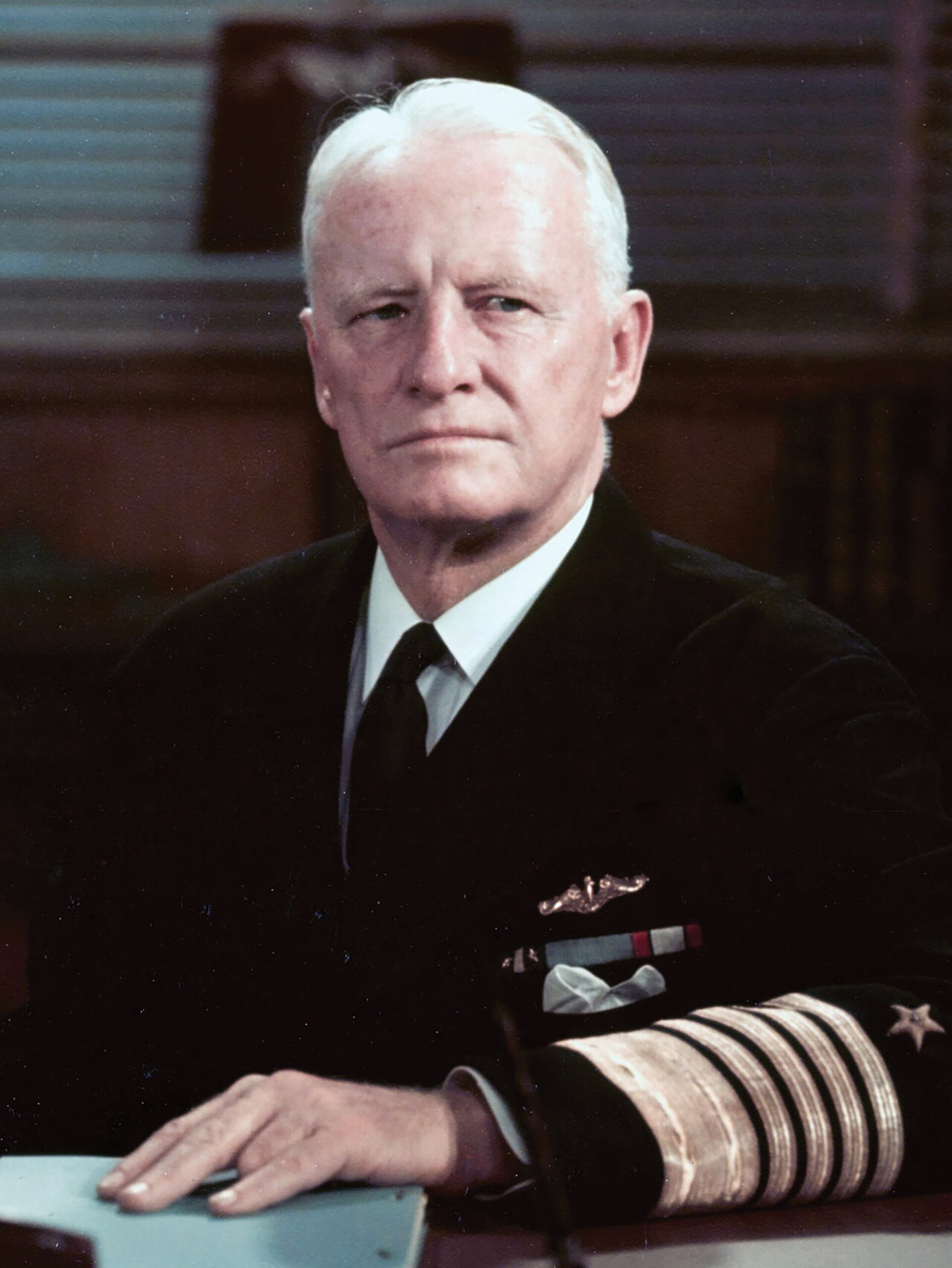
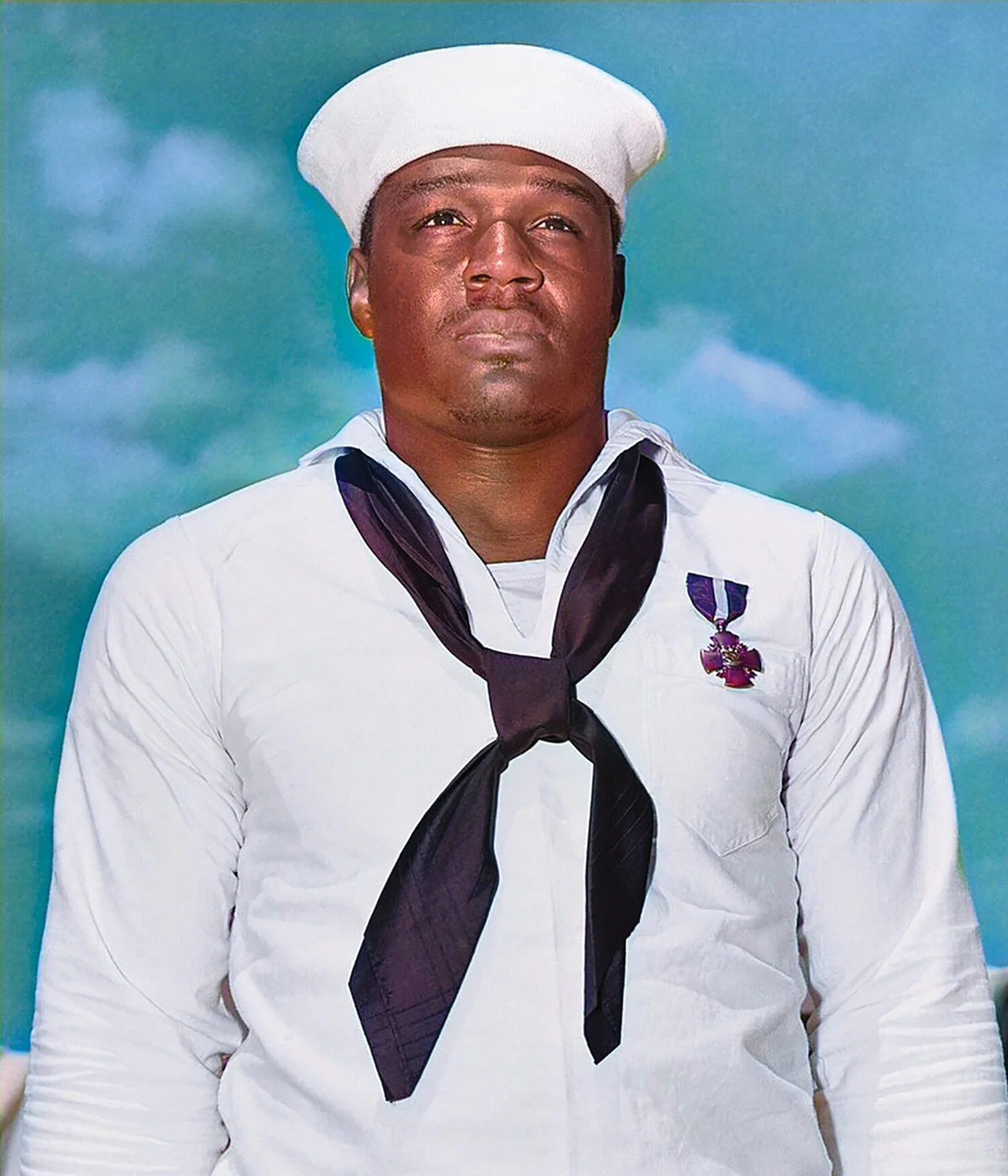
The military tradition of the South carried through into the World Wars with the preeminence of leaders like Dwight Eisenhower, Douglas MacArthur, and Chester Nimitz; and the courage of men like Alvin York, Dorie Miller, Audie Murphy, and the real and naturalized Southerners known as the Tuskegee Airmen.
Louisianans love us some LSU and the first Baton Rouge location of the LSU campus is historic military ground; occupied successively by the armed battalions of France, England, Spain, and America. On the ground where LSU stood from 1886 to 1926, Bernardo de Galvez, the Spanish Governor of Louisiana in 1779, after three days’ battle, captured the British garrison of Fort New Richmond under Colonel Dickinson. Winfield Scott, the conqueror of Mexico, saw his first service as lieutenant of artillery on the LSU campus at what was then called the Post at Baton Rouge. Here also was the home of Zachary Taylor, the hero of Buena Vista during the Mexican War, and future President of the United States.
In 1825 the Army established the Baton Rouge Arsenal and Ordnance Depot next to the Post. In 1861, the Louisiana State Guard, before the secession of Louisiana, took the garrison and the arsenal, with all their munitions of war, from the United States troops. Then in 1862, General John Breckinridge, commanding the Confederates, fought a desperate battle with the Union army and navy in which his Yankee opposite was killed and Confederate control of the area was secured.
The military history of LSU itself began 150 years ago with the opening of the university under Superintendent and future US Army General William Tecumseh Sherman. Then called the Louisiana State Seminary of Learning and Military Academy, and nicknamed the “Ole War Skule,” the university, located in Pineville, endured two closings during the War Between the States before being burned in 1869. After relocating from Pineville to Baton Rouge and assuming the name Louisiana State University, the institution continued to build on its military tradition while still retaining the “Ole War Skule” nickname.
LSU was made a land-grant institution in 1874 and as part of the Morrill Land Grant Act of 1862, all male students were required to receive basic military training. LSU therefore required ROTC participation by all male students until 1969 when the Board of Supervisors made participation voluntary. The military heritage of LSU continues to live on in the tradition of the Tiger mascot, a remembrance of the Louisiana Tigers, the infantry company that expanded to brigade size and distinguished itself during the War of Northern Aggression as fearless, hard-fighting shock troops.
One of the many men who attended LSU and went on to become a distinguished military leader was Lt. Gen. John Lejeune, the “Greatest of all Leathernecks,” the “Marine’s Marine” who fought in the Spanish-American War and in World War I then ended his active service as the 13th Commandant of the Marine Corps.
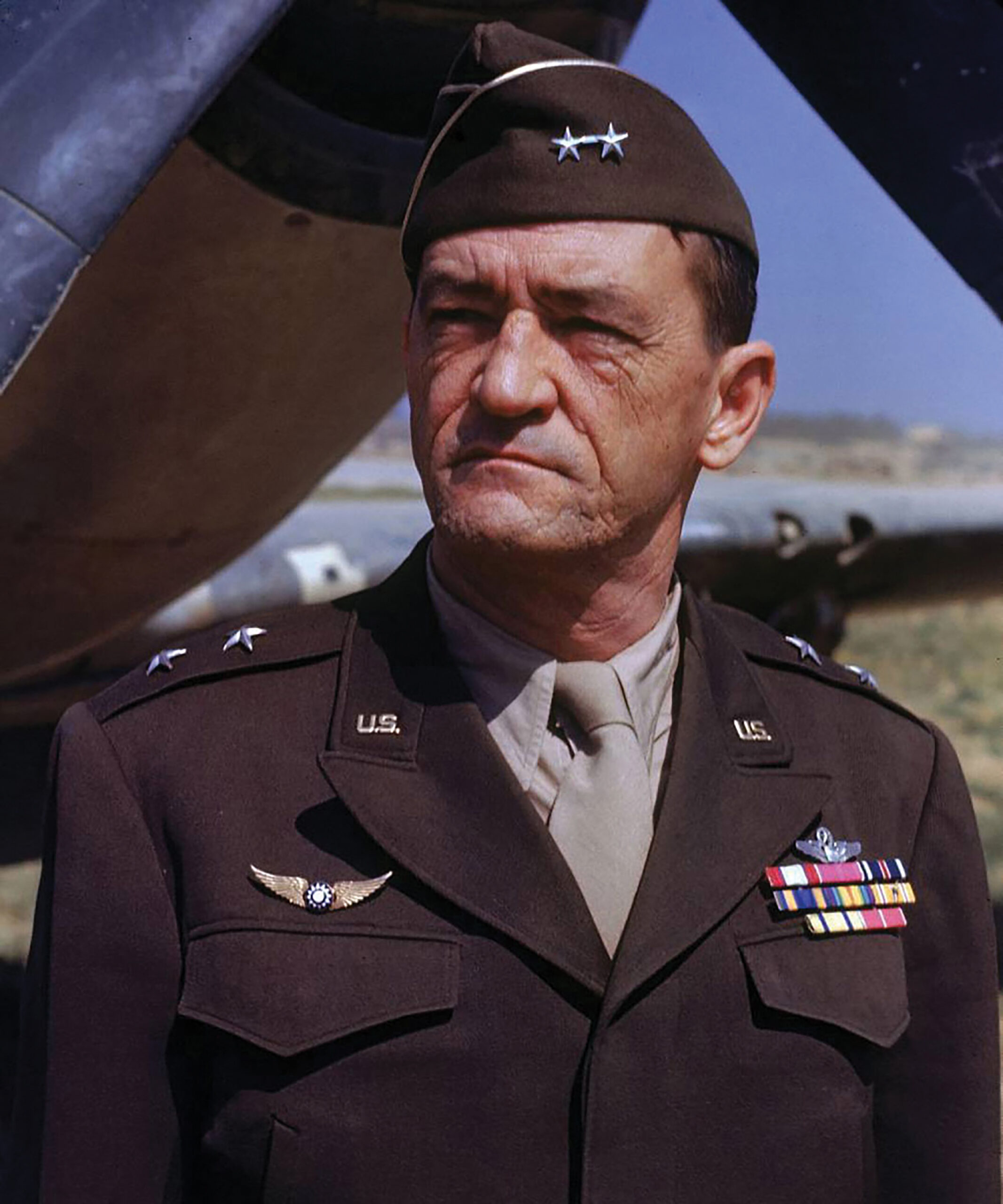
For those who live in the Monroe area there can be no more prominent LSU military alumnus than Claire Lee Chennault, the aviator best known for his leadership of the “Flying Tigers” and the 14th Air Force in China during World War II. General Chennault’s story lives on in the local museum that bears his name. It is located near the airport at 701 Kansas Lane.