



Historical Impressions | The Nation Restored
by Guy Miller, Vice Chair Emeritus, Chennault Aviation and Military Museum
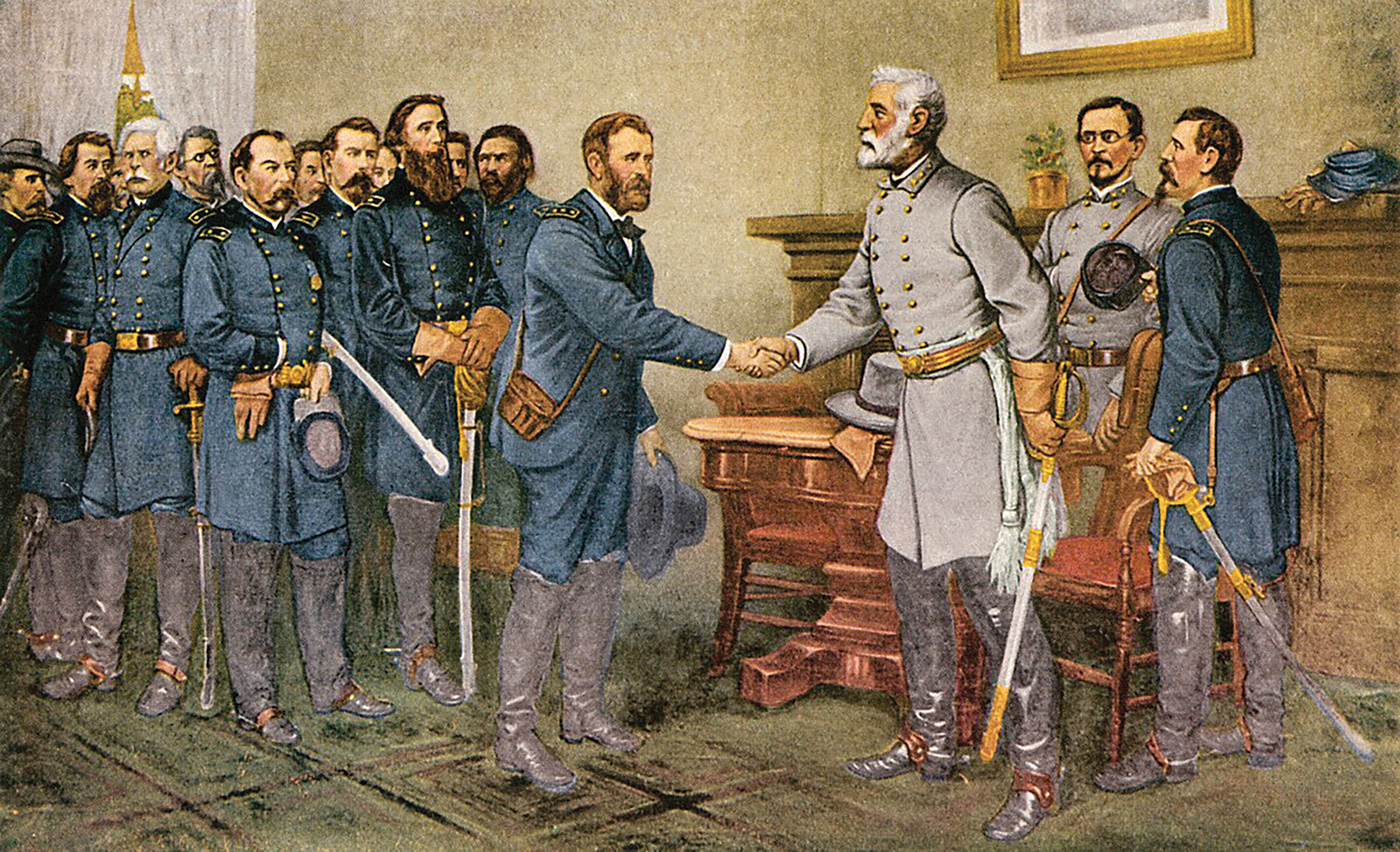
One of the bloodiest and most pivotal conflicts in U.S. history effectively ended on April 9. This event took place in a small, rural Virginia village and was a moment of both military and political significance which encompassed reconciliation, forgiveness and the tragic consequences of a war fought between two factions of a Nation which had divided itself. This event was the surrender of the Confederate Army of Northern Virginia.
By the spring of 1865, the Confederate States of America were in a state of collapse. After nearly four years of intense fighting, Confederate forces were exhausted and thinned by casualties and desertions. The suffering state of the Southern armies, combined with depleted resources, meant their ability to maintain organized resistance was faltering. The Union army had successfully gained the upper hand by winning decisive battles and slowly tightening its grip on the Confederacy as Union forces pushed deeper into Southern territory. The fall of major Confederate cities such as Atlanta in September 1864 and Richmond in April 1865 were proof of the decline of the Confederacy’s military and political infrastructure.
General Robert E. Lee, commander of the Army of Northern Virginia, was one of the most skilled and revered military leaders of the Confederacy. Despite his successes in earlier battles, by early 1865 he found his army surrounded, outnumbered and in retreat. Although he attempted to join forces with the remnants of General Joseph E. Johnston’s army in North Carolina, General Lee and the Confederate government both knew that the war was nearly over.
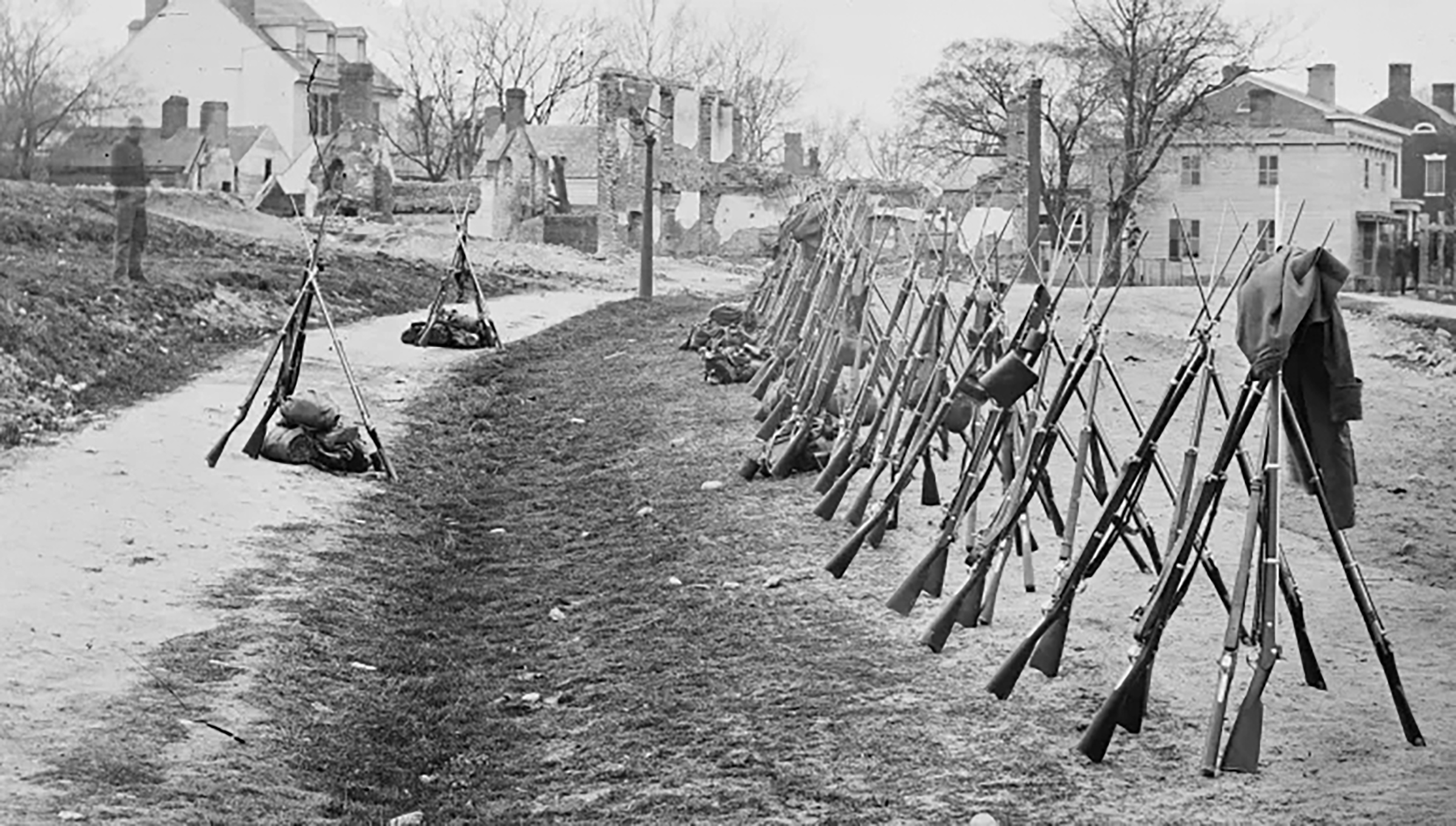
Grant pursued Lee relentlessly after his army captured Richmond in early April. The Union troops successfully cut off key supply lines to the Confederacy and Lee’s army was running out of food, ammunition, and reinforcements. The Confederate forces were surrounded by Union soldiers who were closing in on their position from all directions.
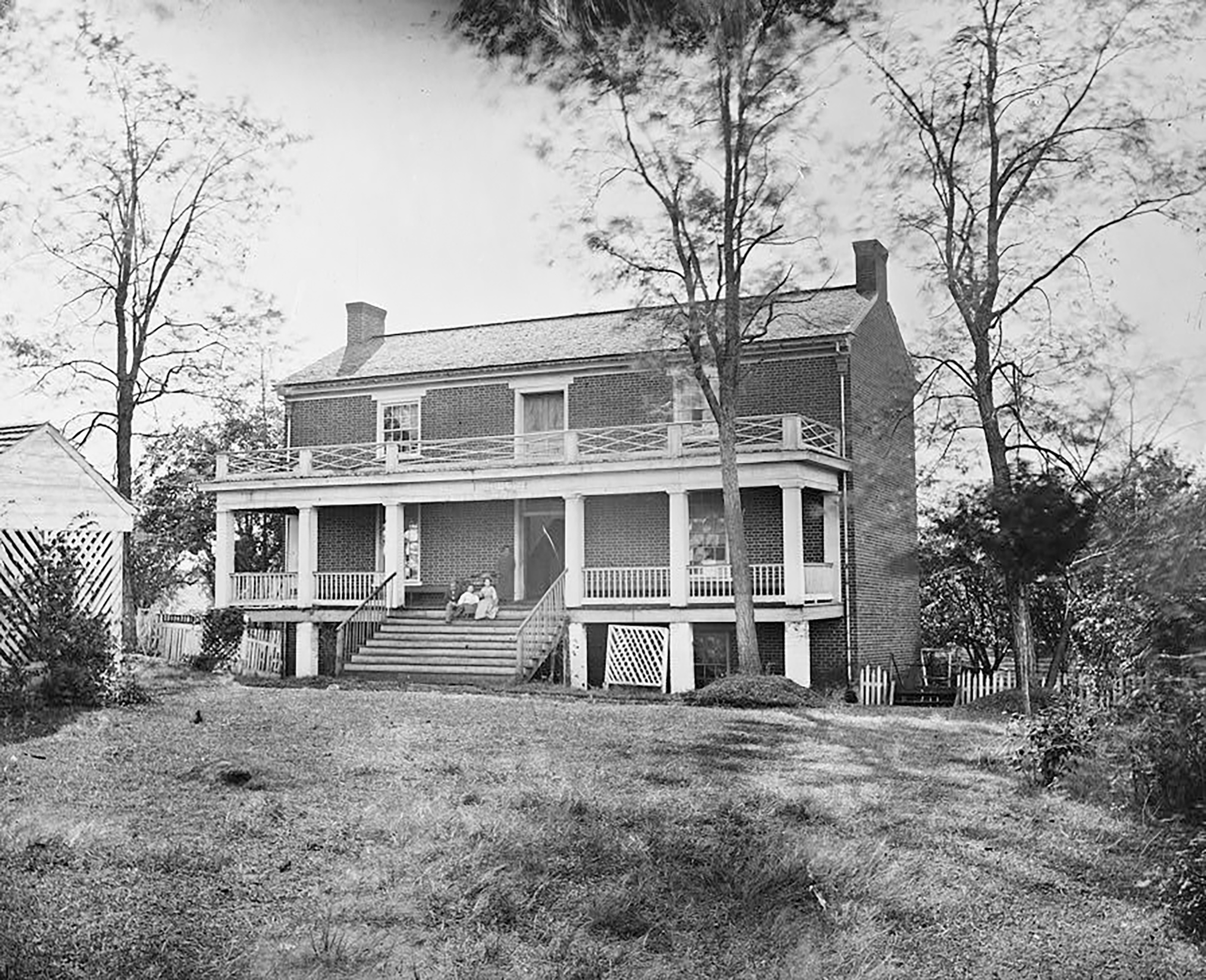
After several days of fighting and retreating, Lee realized that he had no hope of successfully escaping or of continuing the war. At this point, his options were limited. Rather than facing complete destruction of his army, Lee decided that his best course of action was to seek a negotiated surrender. On April 9, 1865, Lee was escorted to the McLean House in Appomattox Court House, Virginia where Grant was currently staying. Grant had chosen the location in part because it was a neutral, relatively remote place away from the larger Union military presence.
Lee arrived at the McLean House at approximately 1:00 p.m. that day. Wearing his full military uniform, he was a tall, dignified figure and his appearance underscored the gravity of the moment. Grant was dressed in a private’s uniform with his general’s insignia which reflected his pragmatic approach to the war. The meeting between these two leaders of opposing sides was not one of personal animosity but rather of mutual respect for each other’s military skills and understanding of the realities of the war. The interaction between the two commanders was cordial, even amicable.
General Grant, ever the professional, sought to make the terms of surrender as lenient as possible.
He understood that the nation needed healing and that harsh terms could delay the restoration of peace.
The negotiated terms included the following key provisions:
• Lee’s men would be paroled, meaning they would not be sent to prison camps but would be allowed to return home.
• Confederate soldiers were to hand over their weapons and military equipment.
• Confederate officers were allowed to keep their sidearms.
• Soldiers were allowed to keep their personal horses, which were vital for farm work and transportation, and any private property; a concession aimed at allowing an easier return to civilian life.
• Lee’s men were also given rations for their travels.
• Union troops would no longer interfere with Confederate soldiers or civilians.
Grant’s approach was a significant departure from the harsh terms usually applied to defeated armies. He was motivated by his belief that a swift and dignified surrender would help heal animosities and restore peace.
After the formalities were concluded, the two generals signed the official surrender document. The surrender was not just a military act but a rare moment of respect and humanity in the midst of a long and bloody conflict.
The Confederacy’s Army of Northern Virginia, the most significant military force remaining in the South, was now officially defeated. For Lee, the surrender was a personal loss but also a recognition that further resistance would only prolong suffering and hardship for his people.
News of the surrender spread quickly and although some Confederate forces continued to fight for a short time, the surrender at Appomattox Court House was the symbolic end of the war because it was an admission that the Confederate States of America had ceased to be a functioning entity. Lee’s surrender also set the stage for the process of reintegrating the Southern states into the Union. Grant’s magnanimous terms were designed not only to end the war but also to provide for a post-war reconstruction process that would not be mired in bitterness.
Although, Grant’s decision to treat the Confederate soldiers with respect and dignity helped prevent further violent interactions in the immediate aftermath of the war, the challenges of rebuilding the nation, especially in the Southern states, continued for years to come. Reconstruction would become one of the most difficult and turbulent periods in American history. But that is a story for another day.