



Historical Impressions | THE C.A.P. GOES TO WAR
by Guy Miller, Vice Chair Emeritus, Chennault Aviation and Military Museum
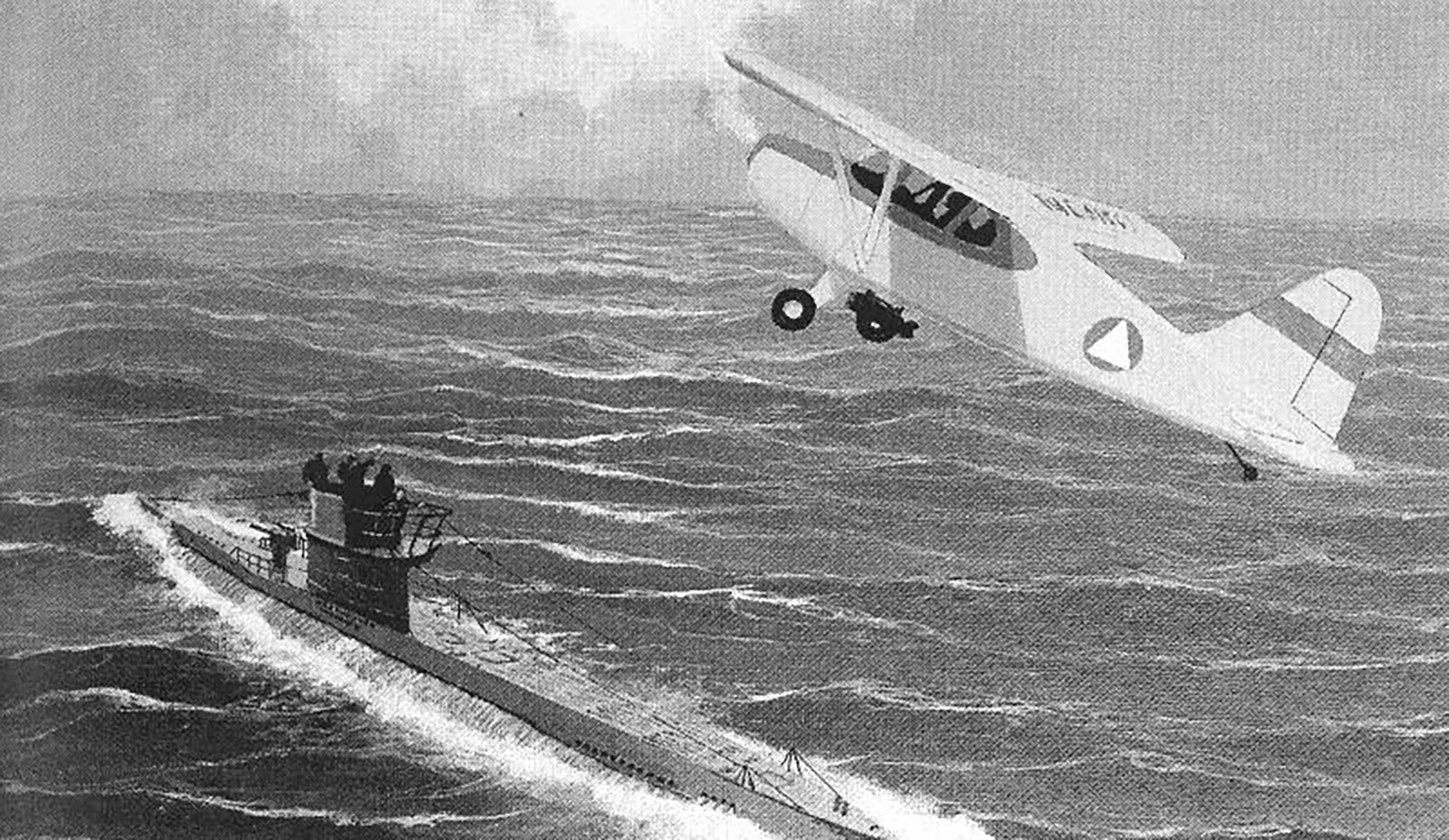
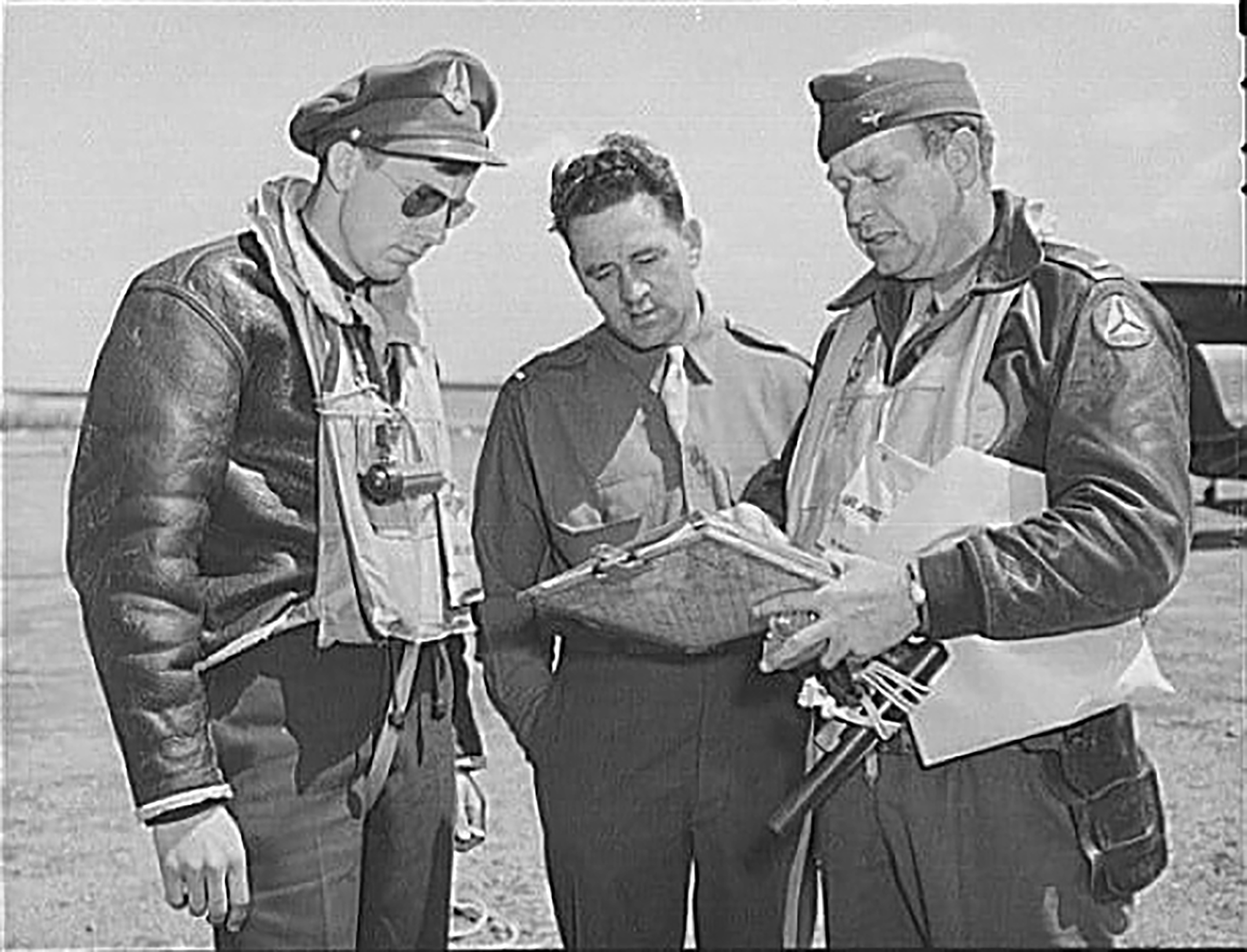
In 1942 American shipping came under attack by the U-boats of the German Navy. To combat this threat, America turned to experienced aviators who could engage the Nazi submarines in combat. These aviators were not our professional Naval or Army air forces. They were the volunteer fliers of the Civil Air Patrol.
Back in 1936, Gill Robb Wilson, a World War I aviator, returned from Germany convinced of impending war. Wilson believed America’s civilian aviators could supplement the military and aid in national defense operations. Others shared his point of view including an Ohio pilot and businessman who organized the Civilian Air Reserve (CAR) in 1938. By 1941, Wilson was promoting his program as the Civil Air Defense Services (CADS).
As fate would have it, fellow WWI aviator and New York mayor Fiorello H. LaGuardia was also serving as the federal Director of the Office of Civilian Defense and heard of Wilson’s idea. With the approvals of the Commerce, Navy, and War departments, LaGuardia signed Administrative Order 9 on December 1, 1941 which established the Civil Air Patrol (CAP) and ultimately merged together the existing CAR, CADS and other units.
Fate intervened once again, this time in the form of German U-boats which began to operate along the East Coast after America entered the war. The Civil Air Patrol’s top leaders lobbied for War Department authority to directly combat the U-boat threat. Although their request was initially opposed, given the horrific numbers of ships being sunk by the U-boats, the War Department finally agreed to let the CAP prove what they could do over a 90-day “trial period.”
On March 5, 1942, the Civil Air Patrol was authorized to operatea coastal patrols out of Atlantic City, New Jersey, and Rehoboth Beach, Delaware. The CAP’s performance was so good that the coastal patrol operations were authorized to increase in both duration and territory.
CAP’s Coastal Patrol was originally meant to be unarmed and strictly reconnaissance. CAP patrol aircraft were to coordinate with their bases to notify the Navy and Army air forces when a U-boat was sighted. Everything changed, however, in May 1942 when a CAP crew was flying a coastal patrol mission off Cape Canaveral and a German U-boat was spotted. The U-boat captain, not knowing the plane was unarmed, tried to get away but became stuck on a sandbar. Although the CAP aircraft circled the U-boat for more than half an hour waiting for Army Air Force bombers to arrive and destroy the U-boat, the Germans dislodged the boat and escaped safely to deep waters. The U-boat’s escape was grounds for CAP aircraft to be authorized to carry bombs and depth charges.
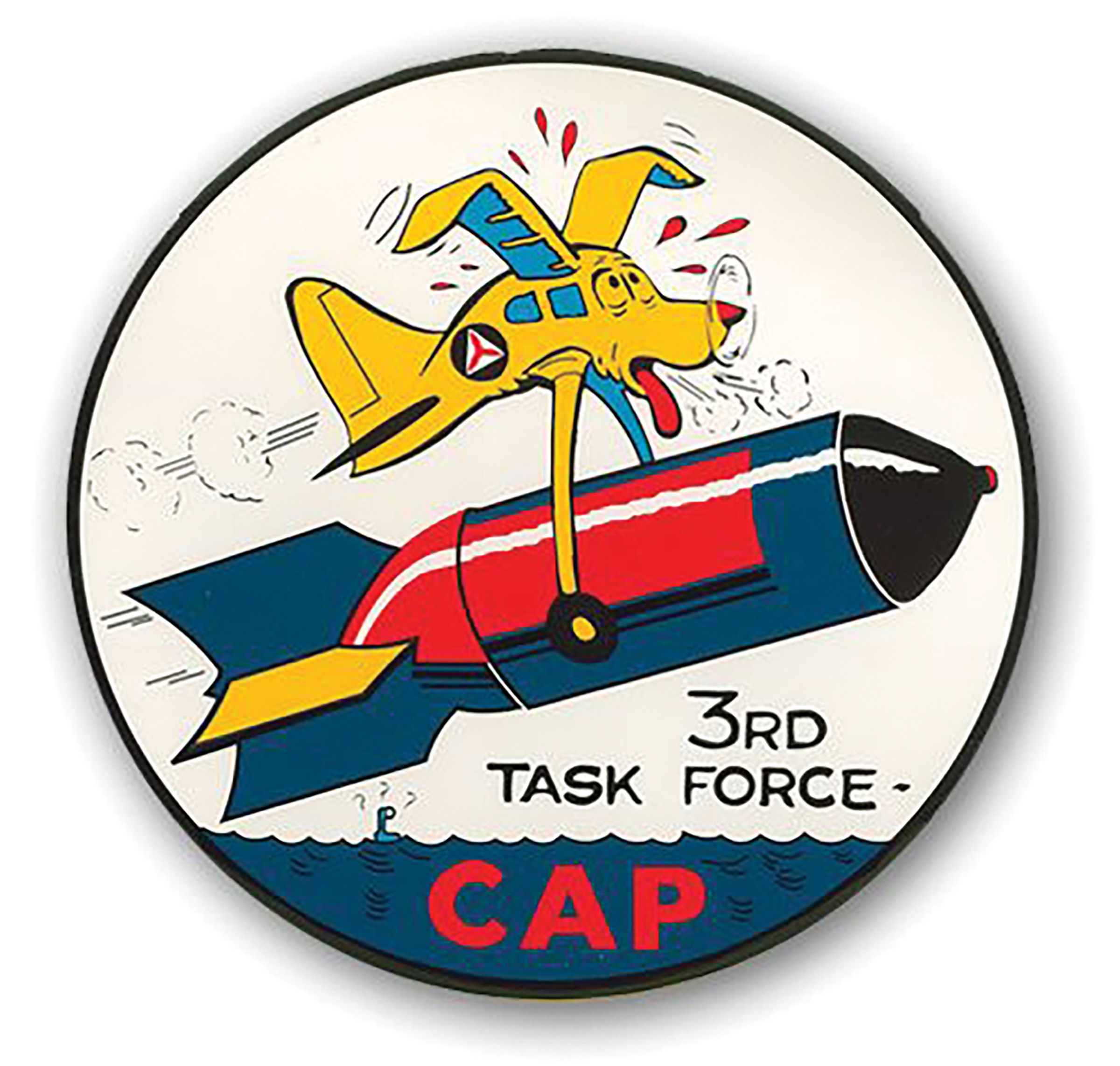
Most CAP planes were light aircraft and could only carry a 100-pound bomb. Some larger CAP aircraft could carry a 300-pound depth charge. One squadron created a cartoon drawing of a small plane sweating and straining to carry a large bomb. This insignia became popular throughout CAP.
The CAP’s claimed first kill took place on July 11, 1942. A CAP patrol encountered a German submarine but had to return to base due to low fuel. A Grumman G-44 Widgeon armed with two depth charges was scrambled to fly to the reported submarine’s area. The U-boat was spotted cruising beneath the surface but the crew could not determine the boat’s depth for the charges to be effective. The G-44 followed the enemy for three hours hoping that it would rise to periscope depth. Just as the CAP crew was about to return to base, the U-boat rose to periscope depth. The CAP crew initiated a bombing run and released one of its two depth charges. The front of the submarine was blown out of the water. A second pass was made, the second charge dropped and debris appeared on the ocean’s surface.
The CAP was originally under the authority of 1 Air Support Command. Because of its effectiveness as an armed force, CAP was placed under 1 Bomber Command on August 19, 1942. Its continuing success in thwarting submarine attacks and safeguarding shipping lanes led President Franklin D. Roosevelt to issue Executive Order 9339 on April 29,1943, transferring CAP from the Office of Civilian Defense to the Department of War.
CAP’s Coastal Patrol operated from March 5, 1942 to August 31, 1943 before being officially released from service. During this time, CAP aircraft patrolled the waters off the Atlantic and Gulf coasts from 21 coastal patrol bases in 18 states extending from Maine to the Mexican border. During its 18 months of service, the Coastal Patrol flew 86,685 missions (5684 of which were Navy convoy escort missions), logged over 244,600 hours in the air, reported sighting 173 U-boats and 17 floating mines and dropped 82 bombs or depth charges. Additionally, the Coastal Patrol aircraft reported 91 ships in distress and helped rescue 363 survivors of U-boat attacks. More than 90 CAP aircraft were lost and records vary between 59 and 64 CAP pilots being killed while on patrol.
Although no longer needed for Coastal Patrol duties, CAP pilots continued to provide a variety of non-combat missions during the war years. These missions included blood bank flights for the Red Cross, forest fire patrols and mock raids to test blackout practices and air raid warning systems. Some CAP pilots remained armed as they flew patrols looking for Japanese balloon bombs or helped thin the wolf population in Texas.
Happy birthday CAP!