



Historical Impressions | Remember the Maine
by Guy Miller, Vice Chair Emeritus, Chennault Aviation and Military Museum
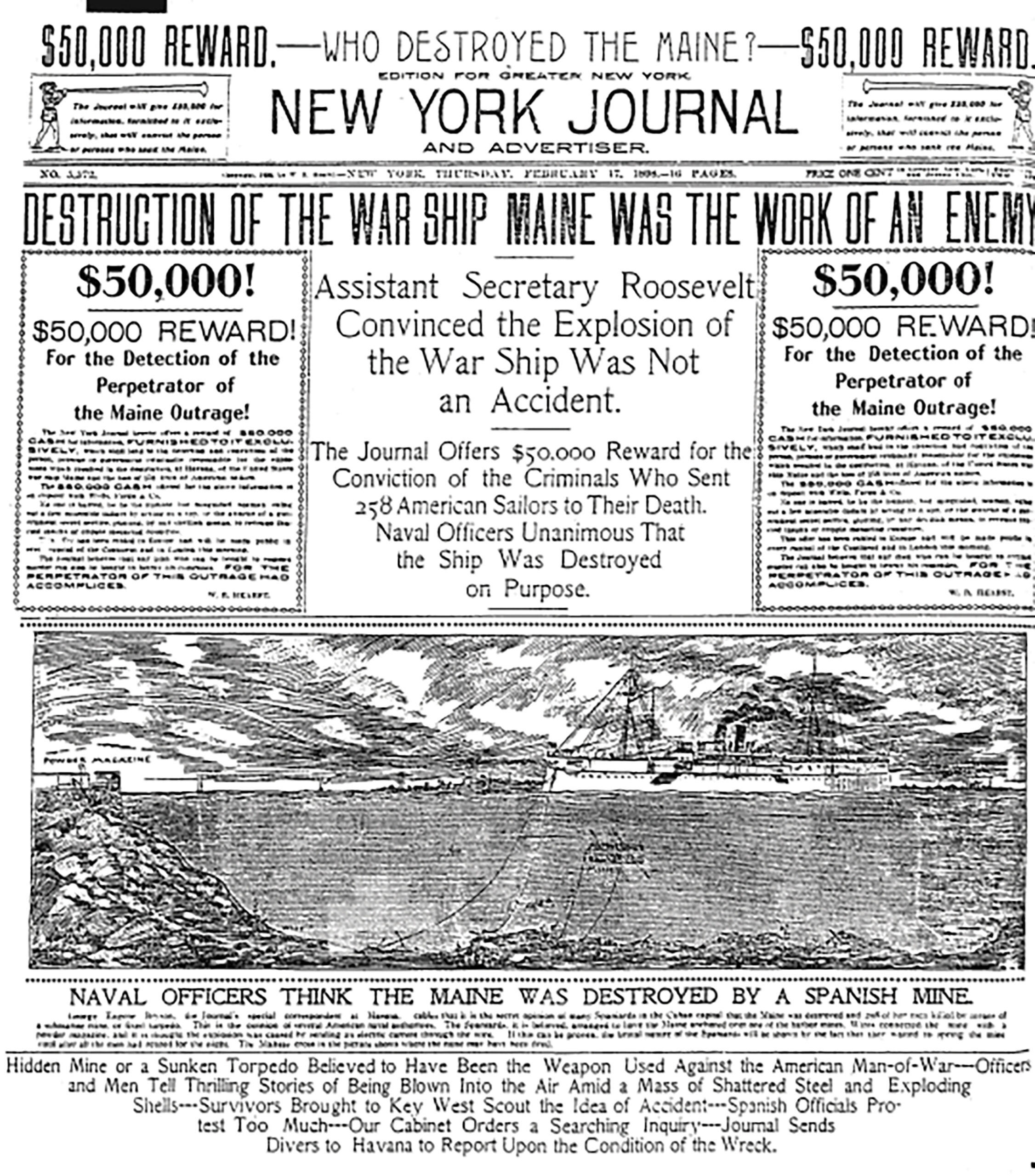
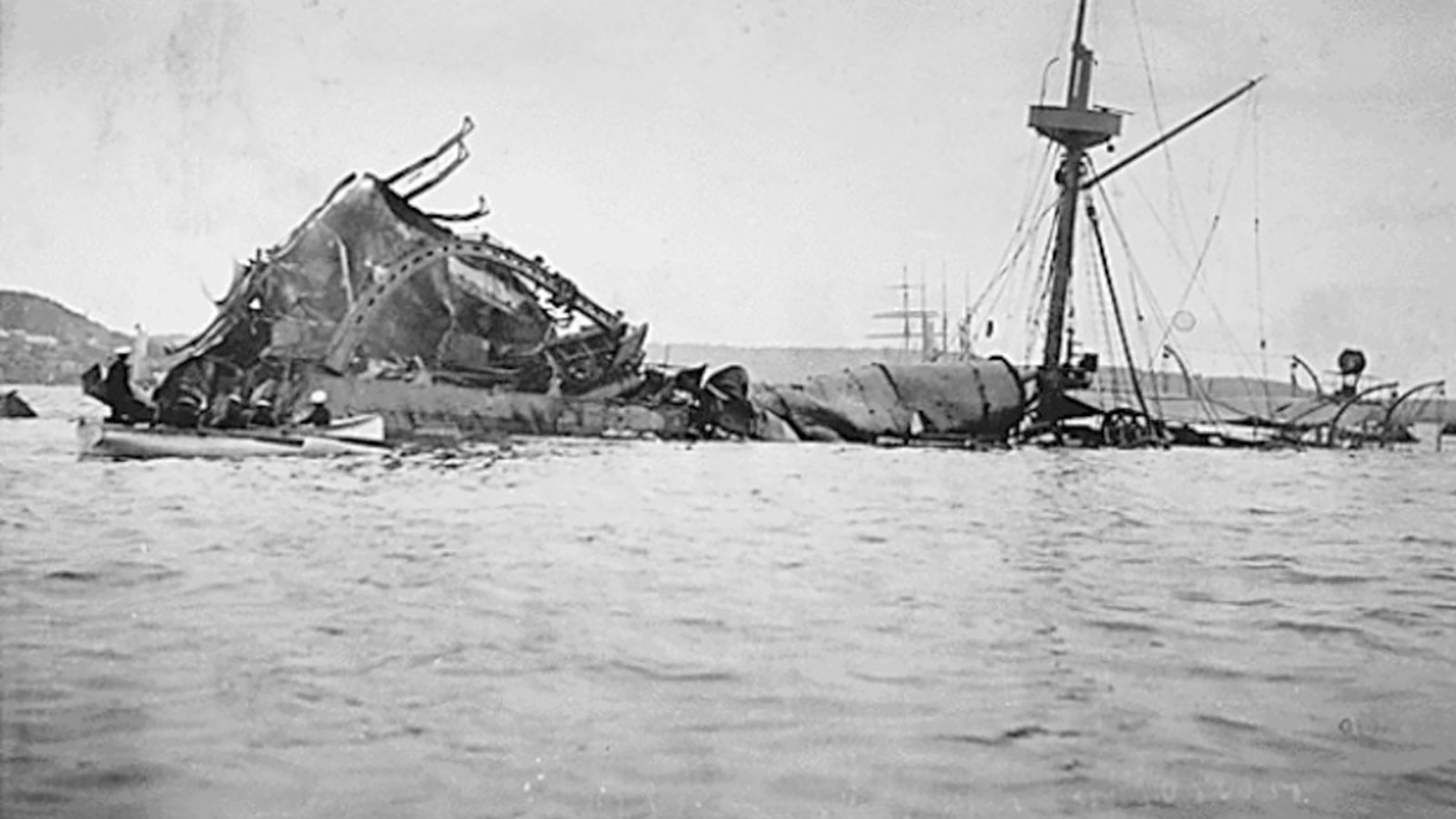
On the night of February 15, 1898 the USS Maine, a battleship of the United States Navy, lay anchored in Havana Harbor, Cuba. At around 9:40 PM, a thunderous explosion ripped through the Maine. The ship was torn asunder and sank rapidly into Havana Harbor. The detonation claimed the lives of 266 American sailors and plunged our nation into mourning and shock. The subsequent events that unfolded would set the stage for a war that would redefine global dynamics.
At the end of the 19th century Spain’s grip on its colonies in the Caribbean and the Pacific began to falter. Cuba, Puerto Rico, and the Philippines were among Spain’s most prized possessions but nationalist movements within these territories seeking independence from Spanish rule were gaining momentum. Cuba, in particular, became a focal point. The Cuban War of Independence (1895-1898) had been a brutal conflict as Cuban revolutionaries fought for autonomy from Spain. Reports of Spanish atrocities against Cuban civilians during that war, circulated by American newspapers, fueled public outrage in the United States.
While the American public was getting war fever, the business community had just recovered from a deep depression and feared that a war would reverse the gains. Accordingly, most business interests lobbied vigorously against going to war. President William McKinley initially ignored the exaggerated news reporting and wanted a peaceful settlement. He sought accommodation with Spain on the issue of independence for Cuba but was unsuccessful.
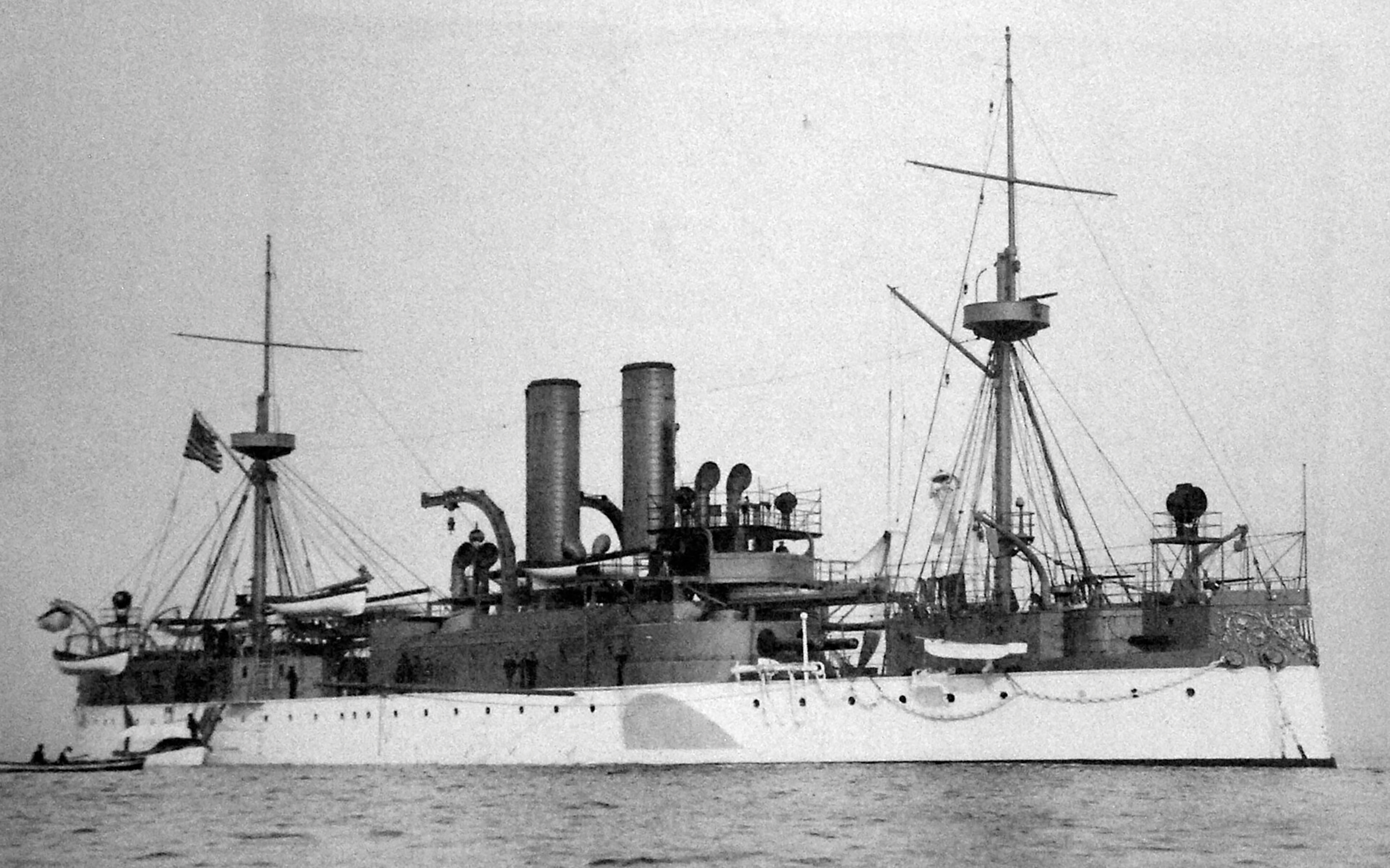
The USS Maine had been dispatched to Havana as a display of American presence and to safeguard U.S. interests amidst escalating tensions between Spain and Cuban rebels. The sinking of the USS Maine in Havana harbor on February 15, however, just intensified tensions even further. Though the cause of the explosion was unclear, the American public, fueled by sensationalized reports in the press, swiftly pointed fingers at Spain; attributing the disaster to enemy sabotage. Investigations into the cause of the explosion were launched immediately. Initial reports suggested an external mine or torpedo as the culprit, affirming the narrative of Spanish aggression propagated by the press. Newspapers across the country advocated for swift retaliation against Spain for the loss of American lives.
The rallying cry, “Remember the Maine! To hell with Spain!” resonated throughout the nation and resulted in mounting pressure for the President William McKinley to take action. Ultimately the U.S. ended up declaring war against Spain on April 25, 1898. McKinley cited not only the USS Maine incident but also America’s desire to support Cuba’s fight for independence. The conflict wasn’t limited to Cuba alone, however, it spanned across both the Caribbean and the Pacific.
This multi-front war showcased the naval prowess of the United States and marked its ascent as a global power. Admiral George Dewey’s legendary victory at the Battle of Manila Bay on May 1, 1898, saw the complete destruction of the Spanish Pacific fleet in the Philippines and secured American dominance in the region. Simultaneously, a U.S. fleet comprised of two squadrons under Rear Admiral William T. Sampson and Commodore Winfield Scott Schley blockaded the Spanish fleet in Santiago de Cuba and eventually sank all six of the Spanish ships.
The decisive land battle of the war occurred on July 1, 1898, at San Juan Hill in Cuba. Led by future President Theodore Roosevelt and his Rough Riders, American forces in collaboration with other units achieved a significant victory over Spanish troops. The relentless pressure on multiple fronts weakened Spain’s resolve, leading to its eventual surrender after a brief but intense conflict.
The war officially concluded on August 12, 1898 with the signing of the Treaty of Paris. The treaty marked the end of colonial rule over the once-vast Spanish empire and accelerated that country’s decline as a major world power. Spain was required to relinquish control over Cuba, Puerto Rico, Guam, and the Philippines to the United States. The loss of key territories dealt a significant blow to Spain’s prestige and global influence.
Conversely, the acquisition of these territories dramatically transformed America’s global standing. It marked the beginning of its emergence as a global superpower. The acquisition of overseas colonies set up American involvement in future global conflicts and its eventual rise to a dominant position in international affairs. While Cuba gained independence, it was placed under the supervision of the United States through the Platt Amendment, effectively granting the U.S. significant influence over Cuban affairs.
However, beyond its immediate consequences, the war also stirred debates regarding American imperialism and its role as a colonial power. Critics raised concerns about the ethical implications of annexing foreign territories and the responsibilities that came with governing diverse populations. Discussions arose about the role of media in shaping public opinion and influencing government decisions during times of crisis. It also highlighted the complexities and challenges of ascertaining the truth behind events that were clouded by conflicting narratives and interpretations.
Even today the exact cause of the explosion of the Maine remains unresolved. Despite extensive research and modern technological advancements, conclusive evidence pinpointing the exact cause of the explosion has remained elusive. While the prevailing theory at the time pointed fingers at Spanish sabotage, subsequent investigations offered alternative explanations such as an internal accident caused by the ignition of ammunition stores or coal bunker fires.
The lingering uncertainty that the sinking of the Maine may have been a tragic mishap rather than deliberate enemy action has kept this February incident a topic of historical fascination and debate.