



Historical Impressions | All Good Things
by Guy Miller, Vice Chair Emeritus, Chennault Aviation and Military Museum
This month marks exactly eight years since I wrote my first article on behalf of the Chennault Aviation and Military Museum. I think it’s time. It’s time for me to let other voices be heard; voices with new points of view and new stories.
Monroe is a special place. Nancy and I lived in Monroe for sixteen years. Sixteen years is the longest period of time we had together or individually lived continuously in one place. We became integrated into many facets of the community and made many incredible friends. We have often remarked that we were able and privileged to participate in so many significant ways that would never have been available to us in a larger city. We didn’t need to be born into the “mover and shaker” families, we didn’t need money, we didn’t need status, we didn’t need connections, we didn’t even need to be native born. We just showed up and were welcomed, and everything we were able to be and do in our community just happened from that beginning and our willingness to give our time when asked.
The Chennault Museum is also a special place. To know and reflect upon the Monroe and Northeast Louisiana history that is displayed there is mind-blowing. But it’s not just Monroe and Northeast Louisiana history, it’s national history, international history, history that shaped the world and mankind forever.
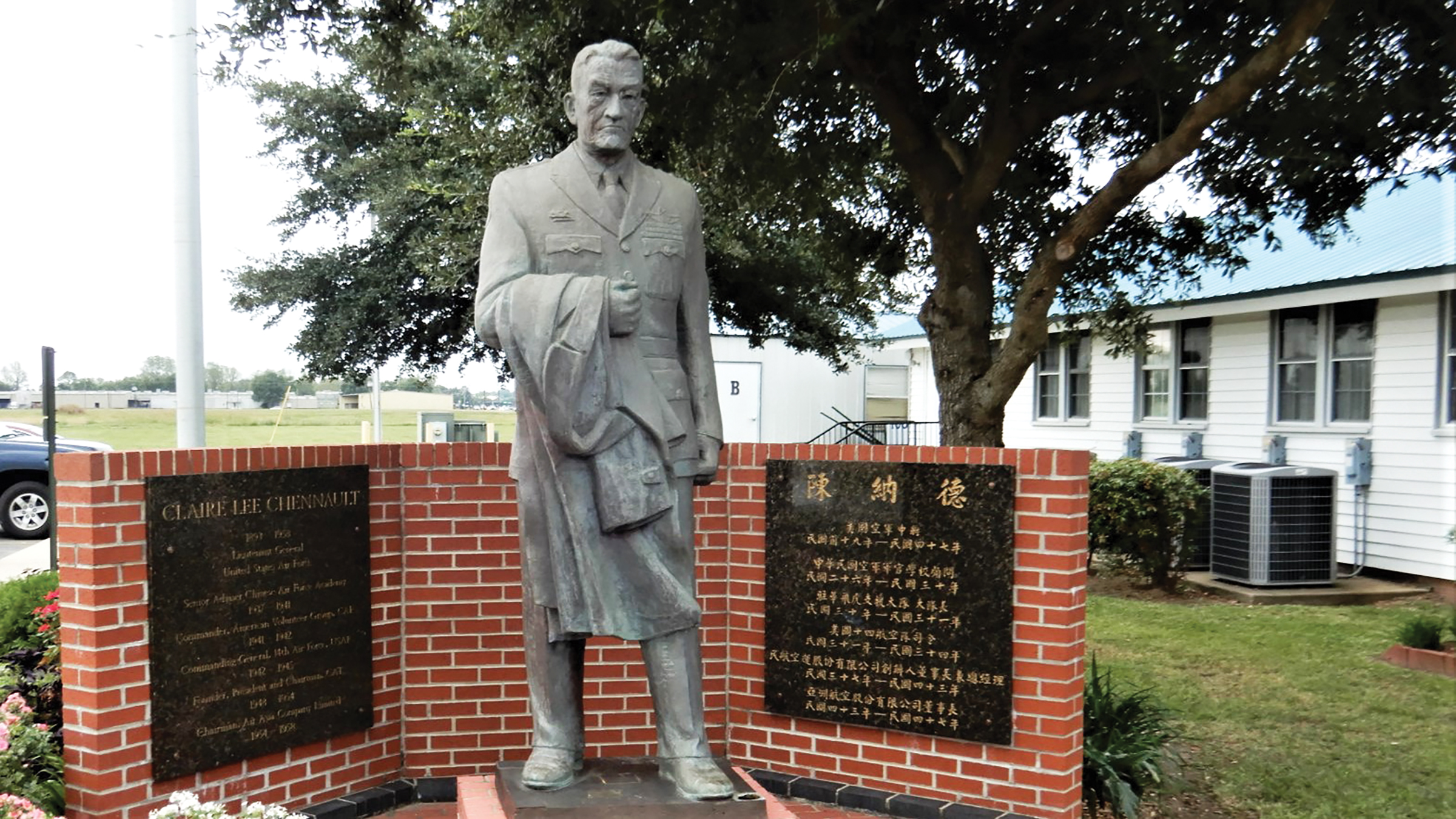
The museum is named for a man of humble beginnings who had a mid-level career in the US military, was noted for controversy and illness, yet became a leader who saved a nation, was responsible for several new and unique aviation organizations and is maybe the American most revered today in one of the most populous countries in the world. And that reverence can and has been useful for diplomacy and friendship between America and a China that otherwise have a complicated relationship of dependency and opposing interests.
The museum sits in the last remaining building of a World War II aviation base that turned more civilian men into heavy bomber and transport navigators than any other base in the country. Men who were critical to America’s ability to emerge victorious in a war that impacted the majority of the world’s surface and its people. Men who, like all who served, knew their odds of surviving intact were not very good yet willingly went because it needed to be done; who were willing to risk their own lives for those who were or could be affected by the evil that needed to be overcome.
The museum also holds the history of an aviation company that started in Monroe and grew from very humble beginnings to become a global powerhouse of commercial aviation. Who could have predicted a local crop dusting service would become the largest airline in the world in terms of mainline fleet size and destinations served. The airline that is then most valuable financially by revenue, assets, market capitalization, and brand value. To locals, “Delta” describes the area where Monroe and its environs is situated in relationship to the mighty Mississippi River. Everywhere else in the world the name first evokes images of big white airplanes with a striking blue and red design on their tails.
And the museum is also the repository of the stories of many, many local people who served in many ways in the US military, in aviation and in spaceflight. We can talk all we want about major events in the world and people who shaped the world. But it always comes down to those who make up the great majority of people who live mostly quiet lives known only to family and friends. It is these “average” people who make the major events and world-shakers possible. There are no victories without many who sacrifice for that outcome. No leaders unless there are those who agree to follow. No visionaries without supporters. The stories of the average woman and man are really the stories that make everything else possible. The stories of our families, friends and neighbors are just as important as those in the textbooks and must be told and preserved. In the museum, many are.
Given the name of the museum, it’s obvious most of the individual stories told are about people who served in the military. Accordingly, I’d like to reuse some words from that very first article that I wrote eight years ago!
Many of our soldiers, sailors, airmen and marines didn’t ask to leave their homes to fight on distant battlefields. Many didn’t even volunteer. They didn’t go to war because they loved fighting and thought there was glory in killing. They were called to be part of something bigger than themselves and the lives they had at home. They were ordinary people who responded in extraordinary ways in extreme times. They rose to the nation’s call because they wanted to protect a nation which has given its citizens so much.
Thank you for reading my thoughts and words for the past eight years. It’s been an honor to represent the Chennault Museum and I thank all who work and volunteer there for their kindness, friendship and support. Tears are now flowing and these words are becoming blurry. It’s time to stop typing. It’s time to say farewell until we meet in another way in another time and place. May God bless each and every one of you.