



Bayou Health | Non-Caloric Sweeteners: Too Good to be True?
by Nathan Morris, MD
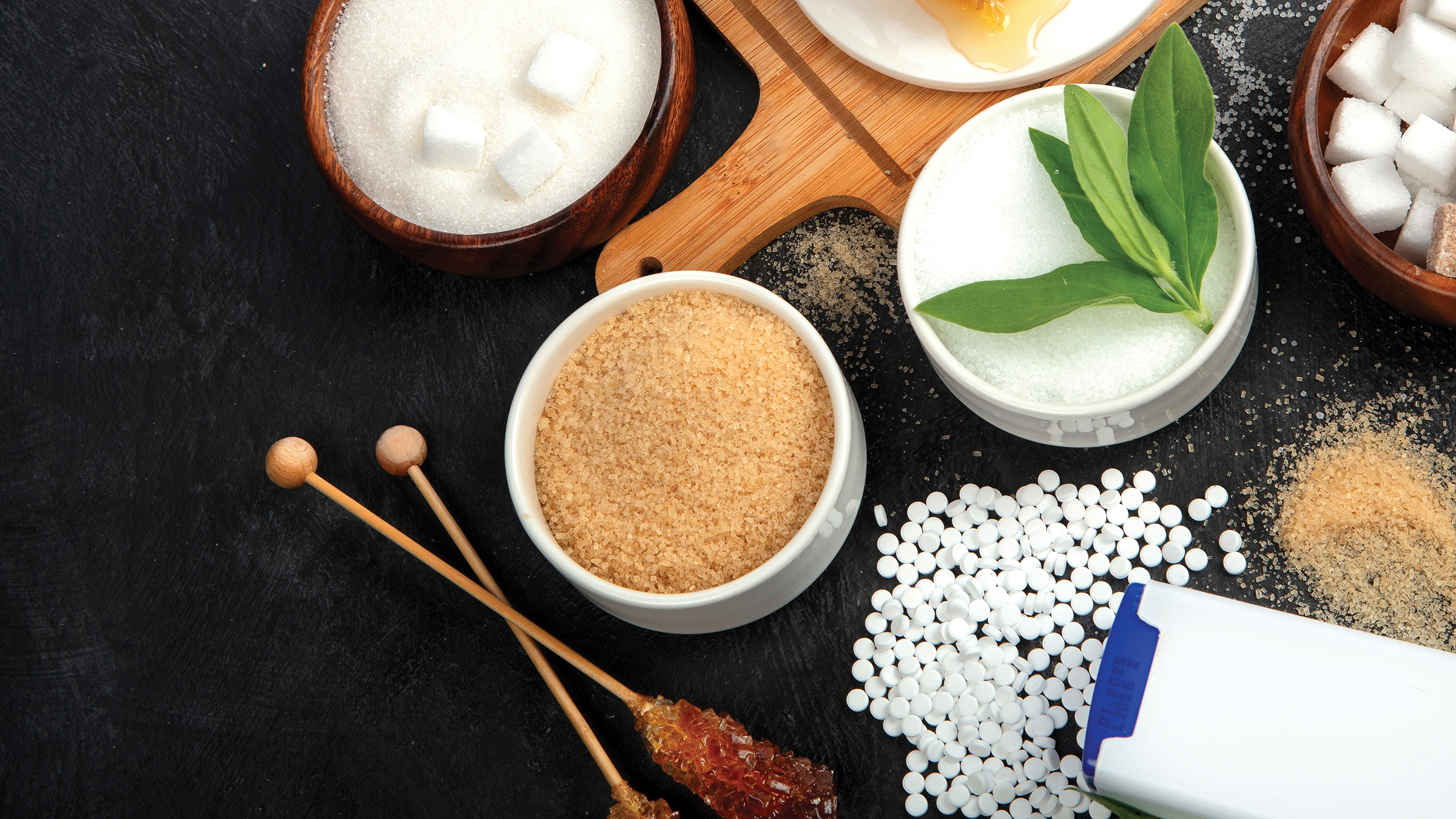
Various diet replacement for sugar on dark background. Organic sweetener concept. Top view, flat lay, copy space
There is a saying that “Nothing in life is free,” and this is particularly relevant when considering our health. This becomes even more apparent when trying to achieve a sweet taste sensation without the accompanying calories.
Prevalence of Non-Nutritive Sweeteners
Non-nutritive sweeteners, or “sugar-free” sweeteners, are found in a wide range of products, including diet sodas, protein shakes, chewing gum, flavored waters, and almost anything labeled “sugar-free.” Many people choose these sweeteners to cut calories, avoid sugar spikes, or support weight management efforts.
The Gut Microbiome: What Is It and Why Does It Matter?
A bustling community of bacteria, fungi, and other microbes resides in the gut. These organisms play a critical role in:
• Digesting food and absorbing nutrients
• Training and regulating the immune system
• Producing important chemicals like short-chain fatty acids, which help protect the gut lining
• Influencing mood and brain health
The Impact of Non-Nutritive Sweeteners on the Microbiome
Maintaining a diverse and balanced microbiome is crucial for long-term health. However, non-nutritive sweeteners can disrupt this balance, ironically leading to some of the health issues they are intended to prevent, such as:
• Reduced glucose tolerance and impaired blood sugar control
• Unexpected weight gain over time
• Digestive discomfort, including bloating, cramps, and loose stools, especially with higher doses of sugar alcohols
• Changes in gut bacteria that may promote inflammation
Types of Non-Nutritive Sweeteners
Not all sweeteners are the same. The main categories include:
• Classic artificial sweeteners: aspartame, sucralose (Splenda), saccharin (Sweet’N Low), and acesulfame-K
• Plant-based sweeteners: stevia and monk fruit, which are natural but still considered “non-nutritive” due to their lack of calories
• Sugar alcohols: xylitol, erythritol, and sorbitol, which occur naturally in some fruits but are also manufactured for use in “keto” or low-carb products
Most research focuses on classic artificial sweeteners, and these appear to have the most significant impact on the gut microbiome. Plant-based and sugar alcohol sweeteners also affect gut bacteria, but generally to a lesser extent.
Research Findings
Animal studies indicate that certain artificial sweeteners, especially saccharin and sucralose, can alter the balance of gut bacteria, sometimes increasing the presence of microbes associated with inflammation. Results for aspartame are mixed and less clear.
Human studies show varied results. In some small trials, individuals consuming artificial sweeteners experienced changes in their microbiome and signs of impaired blood sugar control. However, not everyone responds the same way.
Sugar alcohols such as sorbitol and xylitol do not significantly affect blood sugar, but large amounts can lead to gas, bloating, or diarrhea.
The variability in research results is due to individual differences, consumption amounts, and the unique composition of each person’s microbiome. Artificial sweeteners clearly affect the microbiome, which in turn impacts health. Additional concerns include changes in appetite and unexpected weight gain, even with natural sweeteners.
Other Health Effects Beyond the Microbiome
Xylitol, a common sugar alcohol found in toothpaste, gum, pharmaceuticals, energy bars, and candy, can raise the risk of blood clots. Individuals with the highest xylitol intake double their risk of heart attack. While toothpaste contains minimal amounts and should not pose a risk, using xylitol as a primary sweetener in foods increases blood clot risk within 30 minutes of consumption.
Another concern is the paradox of weight management. Observational studies show that non-nutritive sweetener use may be linked to weight gain and a higher risk of obesity. This could be due to increased appetite or possible rises in insulin production.
The Importance of Sweetener Type and Individual Differences
Scientific findings vary because:
• Different sweeteners interact differently with the gut; artificial sweeteners are distinct from natural stevia and monk fruit.
• Individuals have microbiomes of varying sensitivity, and even plant-based sweeteners can cause issues for some people.
• Amount and frequency of consumption matter; a daily diet soda is not equivalent to occasional sweetener use.
Many people consume significantly more than an occasional serving, which can increase potential risks.
Should You Avoid Non-Nutritive Sweeteners?
• Moderation is crucial. Occasional use is unlikely to cause major harm for most individuals.
• Plant-based options such as stevia and monk fruit may be better tolerated than older artificial sweeteners.
• Monitor your gut health. If digestive upset occurs, consider reducing intake—even with natural, calorie-free sweeteners.
• Prioritize whole foods. Natural sweetness from fruits, or small amounts of honey or maple syrup combined with fiber-rich foods, is generally easier on the gut.
Final Thoughts
Artificial sweeteners can be helpful for reducing sugar intake but do not come without risks. For some, they may disrupt gut bacteria, affecting digestion, blood sugar, and overall health. Even without microbiome changes, sweeteners like xylitol may elevate the risk of heart attack or stroke.
The best approach is moderation. Pay attention to your body’s response to different sweeteners, including monk fruit and stevia, which may cause gastrointestinal issues for some. Aim for a diet rich in whole, unprocessed foods, and remember that a diverse diet and lifestyle support a healthy gut microbiome. If you are having gut issues, then removing sugar substitutes is a great place to start, and your gut microbiome will thank you for it.
If you must eat a sugar-free food, consider using the natural sugar-free options of stevia and monk fruit.
Keep in mind that we are still figuring out all the myriad ways these food additives may be affecting us that we don’t understand yet. Often when something is too good to be true, it usually is.