



In The Garden with Kerry Heafner
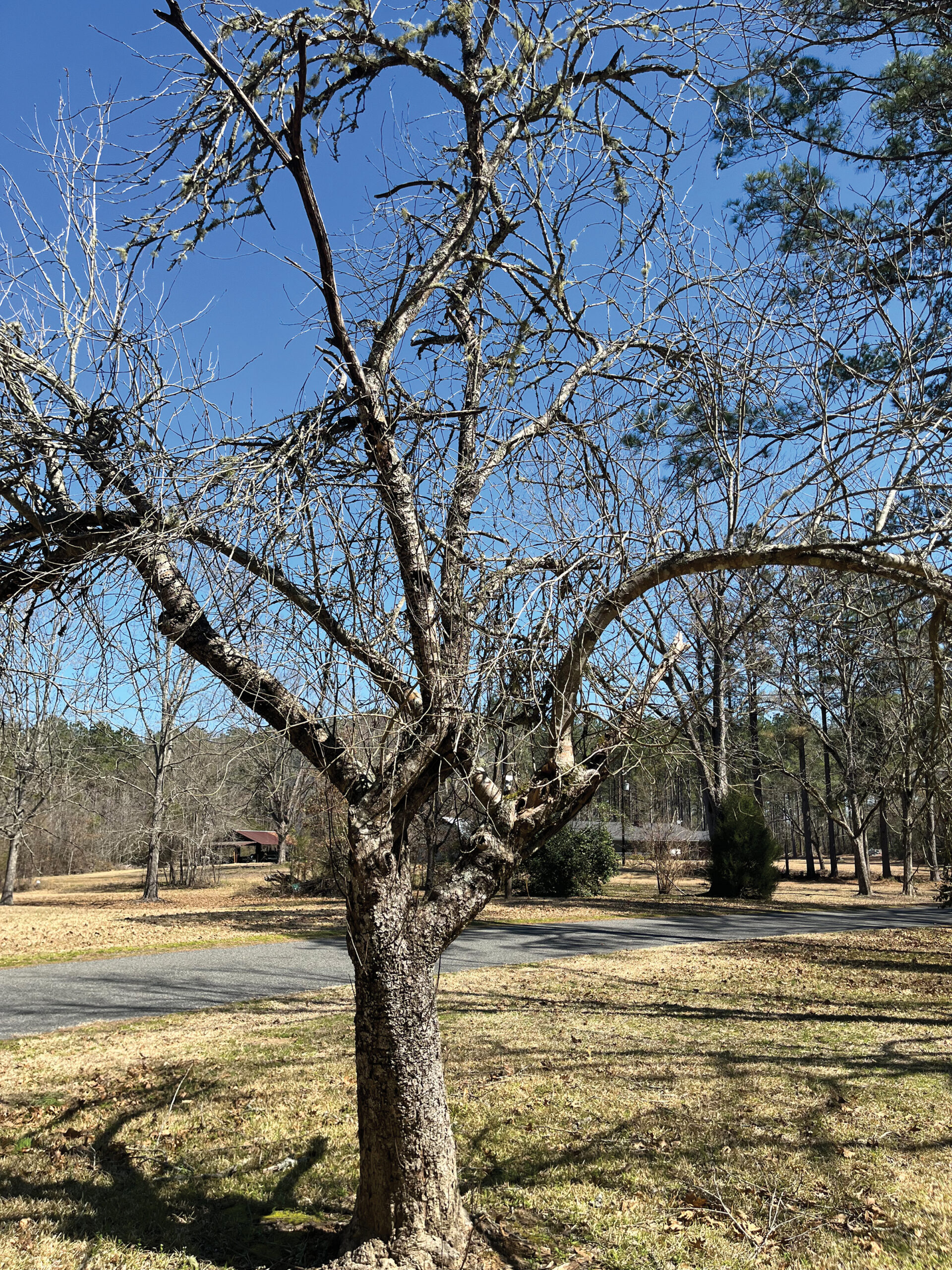
Now that spring gardens are off and running, it seems a good time to take a breather and go back to one of my favorite topics: heirloom southern apples.
Last June, I told you about searching for the McMullen apple, what I consider to be North Louisiana’s lost apple. In the meantime, a few more apple tidbits have been uncovered and another old tree or two has been located in our area. Some new ones have been planted, too! Some interesting new information comes out of East Feliciana Parish. You read that correctly. John Newton DeLee (1849-1937) was a nurseryman and apple tree grower in what was Teddy, Louisiana. Today, this is approximately the intersection of Highway 422 and Ed Freeman Road just north of Clinton. John DeLee was an apple expert and sold varieties he recommended for cultivation in Louisiana. He gave a talk at the 1904 meeting of the Louisiana State Horticultural Society and went over the same planting guidelines that we agents in the 21st Century talk about: 1) variety selection, 2) soil, 3) site selection, 4) proper pruning and pest management, etc. So, how we grow fruit trees hasn’t really changed in 120 years! DeLee is also mentioned in a 1908 LSU agricultural publication summarizing results of the trial orchard at the Baton Rouge research station. Of the fifty apple varieties planted in that trial orchard, including the McMullen apple (see the June, 20204 issue of BayouLife), only a half dozen were recommended as suitable for Louisiana home orchards. Interestingly, they’re all varieties that ripen in summer. Varieties like ‘Bledsoe,’ ‘Carolina Watson,’ ‘Early Harvest,’ ‘Red Astrachan,’ ‘Red June’ (syn. ‘Carolina Red June’), and ‘Smith’ are all reported to ripen in either June or July which makes sense; the prospects of sugary fruit hanging on a tree through a Louisiana summer into fall with no pest or pathogen pressure were slim. It’s entirely possible that an apple in Union Parish that ripens in July is one of these heritage varieties. Incidentally, the McMullen apple, which was said to ripen in September, is listed as not having produced fruit at the time of publication, so the source of the apples for the picture in the 1908 orchard report is unclear.
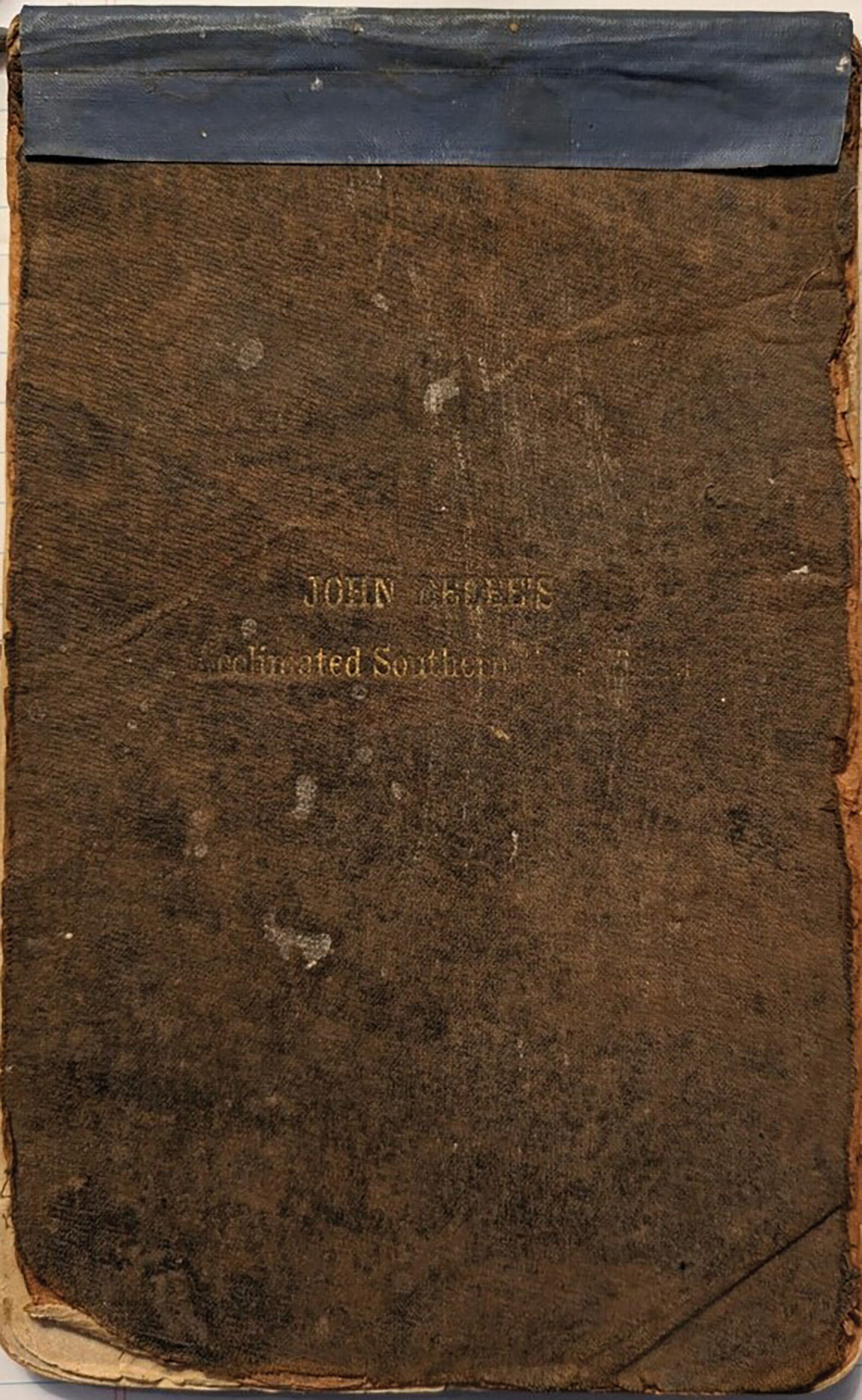
After running across John Newton DeLee in the literature, I contacted our ANR agent in the Felicianas, Jessie Hoover, and asked her if DeLee was still a common name in that area and could she possibly track down who DeLee was. She said, “Let me work on this and get back to you.” Boy, did she get back to me! Jessie was able to locate one of DeLee’s surviving grandsons, Dewey DeLee. Jessie and I sat down with Mr. Dewey a little over a year ago. Although he never knew his grandfather, he was a goldmine! Mr. Dewey has in his possession a 1906 color catalog from his grandfather’s nursery. The 1906 copy of “John DeLee’s Acclimated Southern Fruit Trees” could be considered folk art today. The color lithographs were produced by Rochester Lithographing and Printing Company of Rochester, New York. He listed fifteen apple varieties suitable for cultivation in Louisiana as far south as East Feliciana Parish. It is unclear if ‘DeLee’s Striped’ and ‘DeLee’s Winter’ represent a hyperbolic renaming of other known varieties, if they are sports off DeLee’s established trees, or if they were the results of his own crosses. Interestingly, an apple called ‘Roxbury Russett’ is listed in DeLee’s catalog. ‘Roxbury Russett’ is a Massachusetts apple and possibly the oldest apple cultivar in North America.
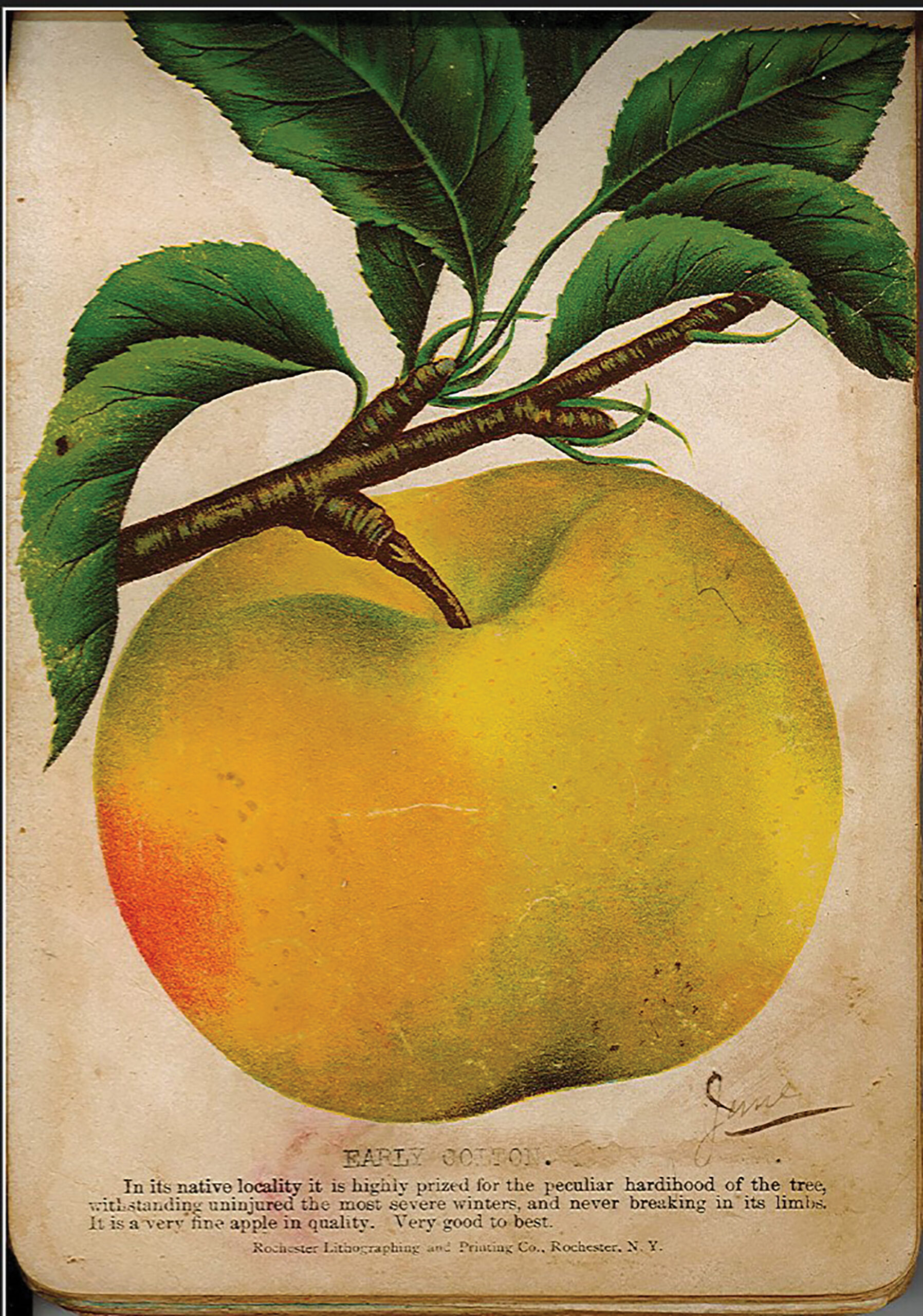
Here’s the payoff. An apple called ‘Early Colton’ is also listed in the catalog. In his seminal work Old Southern Apples (2nd edition, Chelsae Green Publishing), Lee Calhoun listed ‘Early Colton’ (syn. ‘Colton’) as extinct but cites other sources instead of DeLee’s catalog. Indeed, there’s no evidence that Mr. Calhoun ever ran across John DeLee’s work and this is easy to understand; those of us in Louisiana wouldn’t have known about it without digging through old horticulture reports in addition to old nursery catalogs. ‘Early Colton’ originated prior to 1840 in Massachusetts and based on Calhoun’s description, seems more suited to the Upper South instead of the Deep South. A quick check with other heritage apple contacts across the southern U.S. has led us to find that this variety is not extinct at all and hopefully our source will graft a couple ‘Early Colton’ trees for us using material from Alexander County, North Carolina so we can see how this apple does in 21st Century East Feliciana Parish! Mr. Dewey also revealed a DeLee connection to Ouachita Parish. John Newton and Annie Ruth DeLee’s youngest daughter, Julian Antoinette, married Reynolds Trippett Faulk of Ouachita Parish. Their son, Reynolds Trippett, Jr., married and had a son, Reynold Trippett Faulk III. Mr. Trip is today one of Ouachita Parish’s most prominent farmers. All these connections are just too wonderful!
Fast forward 120 years. Old apple trees…and by old, I mean trees that are fifty to sixty years old…still dot the landscape in northern Louisiana. Most of them are neglected old soldiers still standing guard over a plot of old homestead and are on their way out. We’re working to propagate these trees. Hopefully, they will eventually produce fruit so we can identify them.