



In the Garden with Kerry Heafer
VEGETABLES
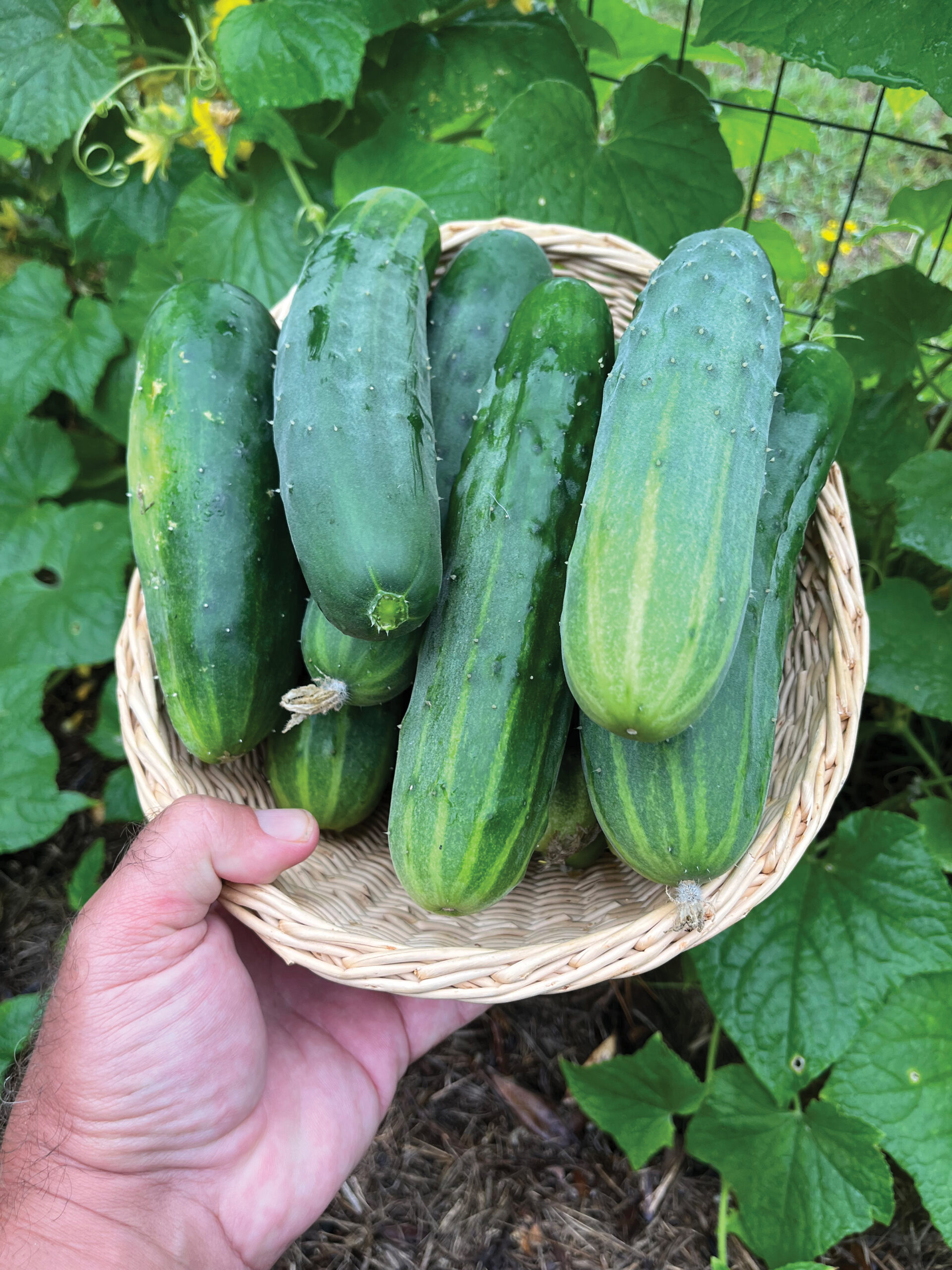
April is the month to plant our favorites in the vegetable garden. Transplants of tomatoes, peppers, and eggplants can all be set out early this month. And, if you wait until next month for peppers and eggplants, don’t worry. They love heat and we have a long season ahead of us. When setting out tomato plants, make the planting hole wide so the root system will have plenty of room to expand. Set plants deep, too, so root initials will form along the buried stem. What are root initials? Have you ever noticed tiny white bumps that form along the stem of a tall tomato vine? Those are root initials and will form adventitious roots. A big, healthy root system will mean a big, healthy tomato plant! A handful of finished compost in each planting hole will give transplants a boost of nutrients, too. If you’re going to stake tomato plants, place the stakes prior to planting to avoid potentially damaging root systems. Give transplants a good drink, too. Melons can go out later this month and if it seems late, don’t worry. Just as with peppers, melons love heat and we have a long, scorching summer on deck so take your time.
Sweet corn can go in this month, too. If you’ve never had sweet corn right out of the garden, you’ve missed out! Sweet corn needs space, full sun, and is a heavy feeder so get ready to fertilize generously. A pre-plant fertilizer application of about 1.5 pounds of either 8-24-24 or 13-13-13 per ten-foot row is recommended, followed by side-dressing every two weeks with 0.5 pounds of calcium nitrate per ten-foot row. Sow two or three seeds in groups about eight inches apart, thinning each hill to the strongest stalk. Plant in multiple, shorter rows rather than in one long row. Corn is a wind-pollinated grass, and the block-style planting ensures adequate pollination. The tassels are the male flowers and provide pollen. The ears are female flowers, and their characteristic silks are the stigmas and styles (where the pollen from the tassels should land). There is one silk for every kernel on the cob. Sweet corn is ready to pick when the ends of the silks turn brown. Yellow varieties for our region include ‘Seneca Horizon,’ ‘Gold Queen,’ and ‘Haney Select.’ White varieties recommended are ‘8101 Summer Sweet’ and ‘Silver Queen.’ A number of heirloom varieties are available from reputable seed companies and online sources.
– Photo by LSU AgCenter.
SPRING-FLOWERING BULBS
As we go through the remainder of spring, flowering bulbs will be finishing leaving only green foliage. Should you cut that foliage down or leave it? The correct answer is leave it! Foliage of bulbs is capturing sunlight and using that energy to generate carbohydrates that will be stored in the bulbs until next year. This means they’re storing energy for an even better bloom next year. Cut the foliage when it turns yellow and dies down. Otherwise, leave it for now. You won’t be sorry next year!
LAWNS
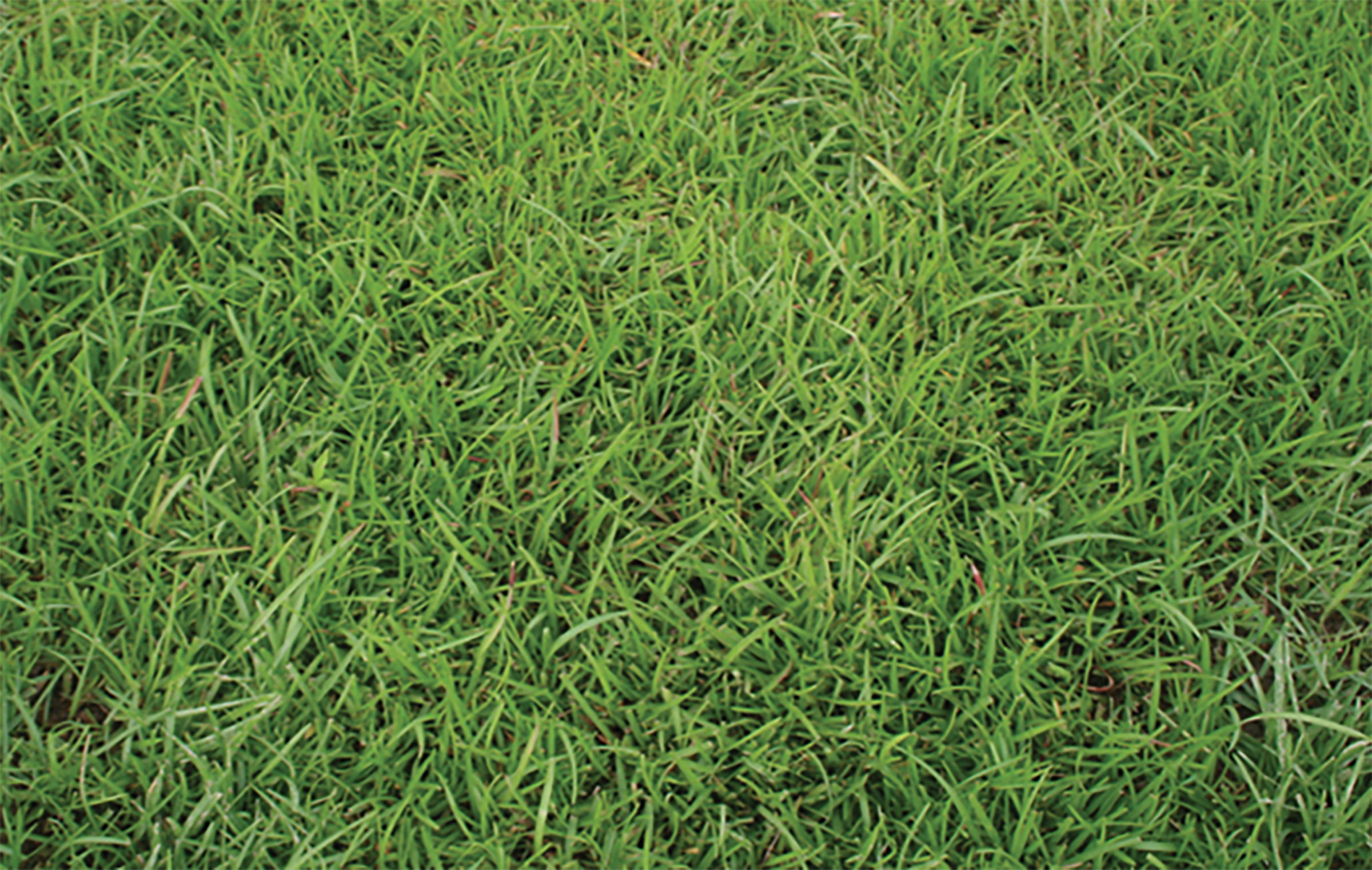
Lawns resume growth this month after winter dormancy. Remember, our Deep South turfgrasses (bermudagrass, centipedegrass, St. Augustinegrass, and zoysiagrass) are not adapted to deeply shaded areas. Full sun is key for lush, healthy turf. Mower blades should be adjusted to the height appropriate for your turfgrass. Bermudagrass, centipedegrass, and zoysiagrass should all be mowed at 1 to 2 inches. St. Augustinegrass should be mowed to 2.5 to 3 inches. Frequent-enough rains render religious irrigation of established residential lawns unnecessary. The LSU AgCenter recommends less frequent and deeper waterings for lawns. If most of the water runs off, consider aerating your lawn so water percolates down into the soil where the turf’s root system is. Turfgrasses are no different than vegetable plants or flowers in that they need healthy, loose soil for healthy root systems.
– Photo by LSU AgCenter.
There’s always the question of how much fertilizer to use on your lawn. When our soil lab returns soil test results and makes a nitrogen recommendation, the rate should be split into up to three applications throughout the growing season. The LSU AgCenter recommends no more than a pound of available nitrogen per 1,000 square feet of lawn per single application. How much fertilizer is that? First, either measure out or estimate the square footage of your lawn. Suppose your lawn is 5,000 square feet, and you selected ammonium sulfate (21-0-0) as your nitrogen source. And let’s assume you’re following the recommended rate of 1 pound of nitrogen per 1,000 square feet. First, we know that ammonium sulfate is 21% available nitrogen per 100 pounds of fertilizer. Let’s keep the arithmetic simple and round 21% down to 20%, or 0.2, or one-fifth. This means for every 5 pounds of fertilizer, there is 1 lb. of nitrogen (5 lbs. of fertilizer = 1 lb. nitrogen). Your goal is to apply 1 lb. of nitrogen for every 1,000 square feet. And, since 1 lb. of nitrogen is equal to 5 lbs. of fertilizer, then 5 lbs. of fertilizer is equal to 1 lb. of nitrogen per 1,000 square feet. But you’re fertilizing 5,000 square feet, so five times as much fertilizer is needed. Five pounds of fertilizer times five units of area = 25 lbs. of ammonium sulfate fertilizer required to apply 1 lb. of nitrogen per 1,000 square feet to a 5,000 square foot lawn.
Triple 13 (13-13-13) is a commonly used fertilizer available at local garden centers. Use the same example lawn as above, 5,000 square feet. The quickest way to determine how much Triple 13 is needed to apply 1 lb. of nitrogen per 1,000 square feet of lawn is to divide the amount of nitrogen desired by the amount of nitrogen in the bag as a decimal, or 1 ÷ 0.13, which is 7.7 lbs. of Triple 13 needed to apply 1 lb. of nitrogen to 1,000 square feet of lawn. For a 5,000 square foot lawn, multiply 7.7 times 5. So, a 5,000 square foot lawn will need 38.5 lbs. of Triple 13 for 1 lb. of nitrogen per 1,000 square feet.
No matter the nitrogen source, break applications up into early, mid, and late summer.
St. Augustinegrass and bermudagrass both respond well to fertilizer applications. St. Augustinegrass may be fertilized up to three times during the growing season – April, June and an optional application in mid-August. Bermudagrass is an even bigger fertilizer user and can be fertilized from three to five times during the growing season, especially if you like to mow grass. Fertilize zoysiagrass twice per growing season – in April and again in July. Carpetgrass and centipedegrass are not big fertilizer users. Up to two applications (April and July-optional) will take care of centipedegrass, and a single application will be sufficient for carpetgrass (April). Constantly bombing your lawn with nitrogen during our hot growing season could stress your lawn and create problems down the road.
– Photo by LSU AgCenter.
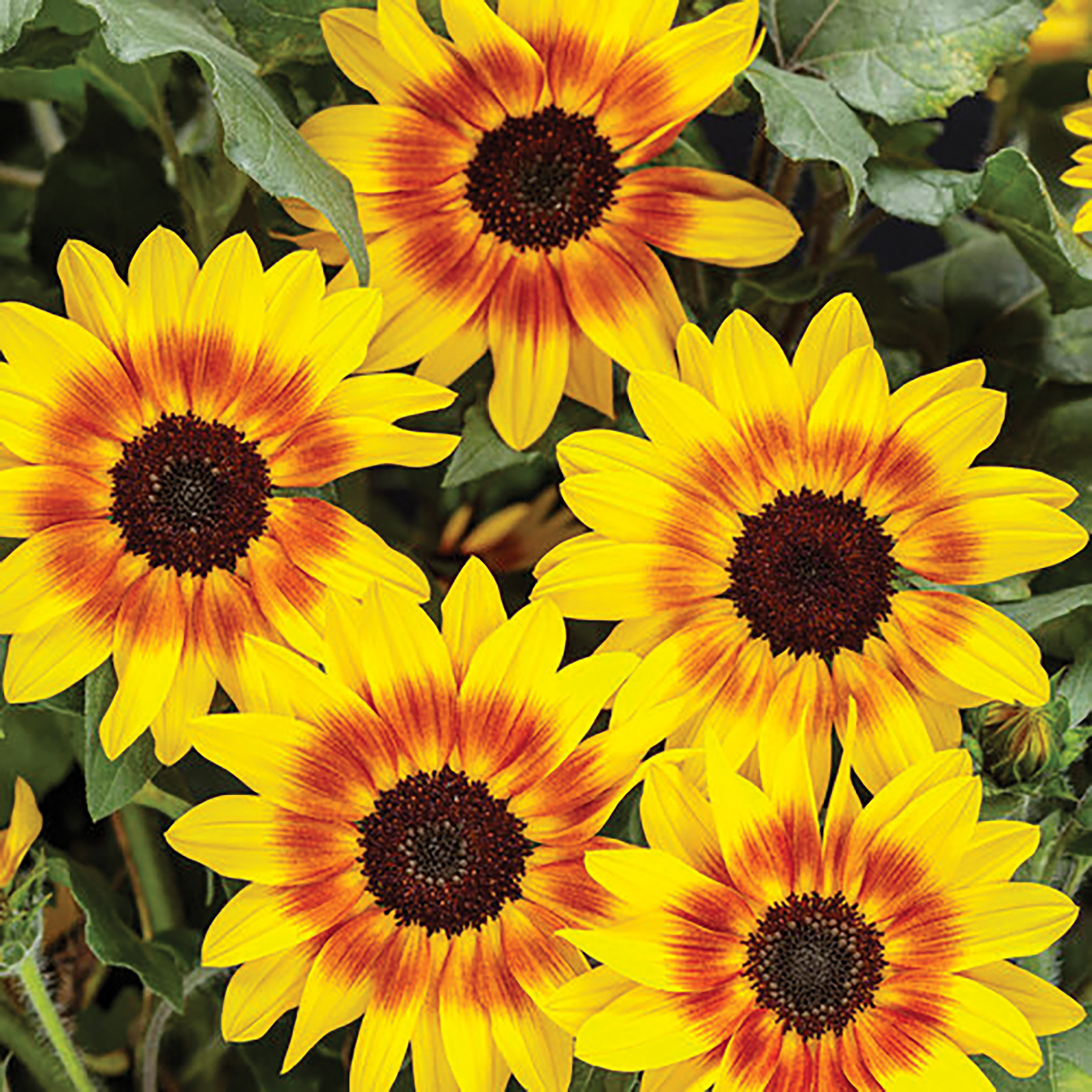
– Photo by Proven Winners.
POLLINATORS
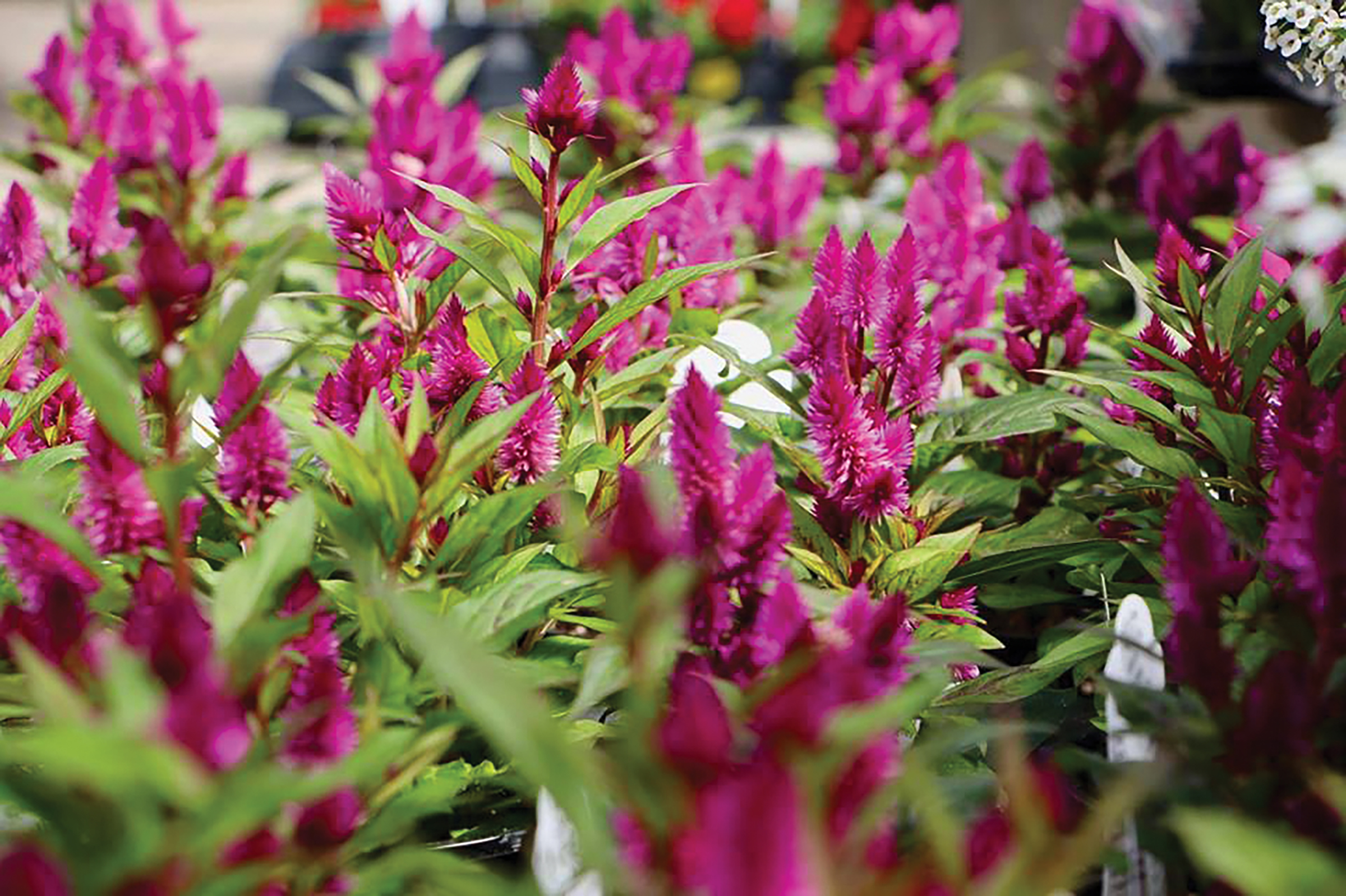
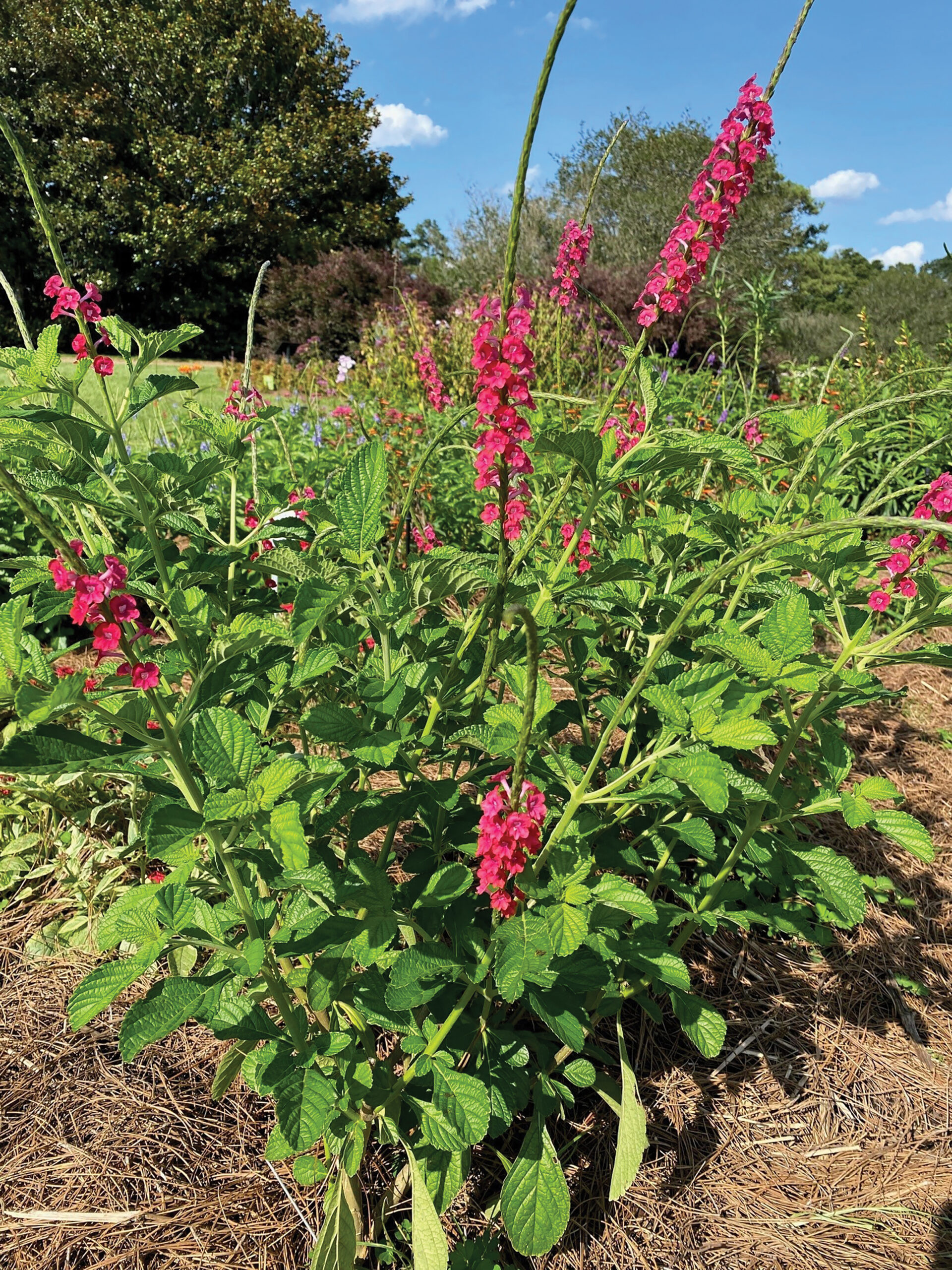
Keep pollinators in mind during spring planting. Look not further than the most recent list of Louisiana Super Plant selections! Some great selections were named for 2025. You can’t go wrong with Indica Azaleas like ‘George L. Taber,’ ‘Formosa,’, and ‘Mrs. G.G. Gerbing.’ Gaura, especially ‘Whirling Butterflies,’ is a heat and drought-tolerant option for color all summer long. And the red, tubular flowers of ‘Vermillionaire’ Cuphea will attract hummingbirds all summer. Don’t forget the ‘Suncredible’ sunflower line. ‘Suncredible Saturn’ is just as vigorous and prolific as its cousin, ‘Suncredible Yellow.’ But, ‘Saturn’ has a reddish-orange ring on the ray flowers that will add something different to your sunflower patch! Pollinators can’t resist sunflowers, and ‘Suncredible Saturn’ will be an otherworldly addition to your garden and landscape. Porterweeds were named as Louisiana Super Plants last year and for good reason! They provide color all season long and the small, brightly colored flowers produce copious amounts of nectar for a bevy of pollinators. Porterweeds are adaptable to many soil types, and they don’t mind heat and humidity. Porterweeds will be annuals in the ArkLaMiss, but well worth the effort. Mix red and blue Porterweeds for an eye-popping combination. ‘Intenz Classic’ Celosia is another one of my favorites for attracting pollinators. ‘Intenz Classic’ is a different variety of the old-timey Cock’s Combs your Great Grandmother probably grew and is no match for the heat and humidity of the ArkLaMiss. ‘Intenz Classic’ produces spikes of deep magenta flowers that attract clouds of pollinating insects until frost. Check the complete list of Louisiana Super Plants for a lot more warm-season color options!