



In the Garden with Kerry Heafner
Photos by Kerry Heafner, Monica Boudreaux, and LSU AgCenter.
Can you believe 2024 will be gone in just two months? It’s been a frenetic but fun year and if you’re like me, you can’t wait to see what 2025 has in store for our gardens and landscapes!
FIREWOOD
Y’all, take some precautions when purchasing firewood. Be aware of what is and what is not a cord of firewood. The standard cord is 128 cubic feet. This is typically measured 4 feet high by 4 feet deep by 8 feet long. Firewood is typically sold by the “face cord” or “short cord.” This measures 4 feet high by 8 feet long by 2 feet deep. The definition of a “rick” varies among states. In our area, a “rick” is approximately one third of a cord. Take a tape measure with you if you have to when purchasing firewood to make sure you’re getting what you’re paying for.
Also, notice whether the firewood you’re buying is seasoned or green. Seasoned firewood will weigh less than green wood because of the lower water content. Seasoned wood will produce more heat, which is measured in BTUs or British Thermal Units. In our region, oak and hickory are the main heat producers. Black walnut, hackberry, honey locust, mulberry, and persimmon are also good fuels. Try to buy firewood locally so as not to transport it over parish lines. Insect pests like the Emerald Ash Borer may be spread by transporting firewood across parish lines. This can have devastating results on our woodlands.
ORNAMENTAL SHRUBS
Ornamental trees and shrubs can be planted now through late February or early March. Planting now will give roots sufficient time to get established for leaf-out in spring. A healthy root system generally means a healthy plant. Due to the extended dry spell from summer to early fall, supplemental watering may be necessary to assure good root growth. When making selections for your landscape at garden centers, keep the following points in mind:
• Select plants for functionality, amount of care required as it grows, and its adaptation to a specific site.
• Select the healthiest stock from any nursery or garden center. Make sure plants are not rootbound and are insect-free.
• Properly prepare the site for planting in advance by following recommended planting guidelines.
• Mulch the planted area to help maintain adequate soil moisture and for a neat presentation.
Native species are often excellent choices of the home landscape. Species such as American Beautyberry (Callicarpa americana), Silverbell (Halesia diptera), American Holly (Ilex opaca), Oakleaf Hydrangea (Hydrangea quercifolia), Arrowwood (Viburnum dentatum), Red Buckeye (Aseculus pavia), and Heart’s-A-Bustin’ (Euonymous americanus) are all versatile native species that will withstand extended dry periods and provide habitat for birds and other wildlife. Be sure to review the list of Louisiana Super Plant selections before going shopping!
SOILS
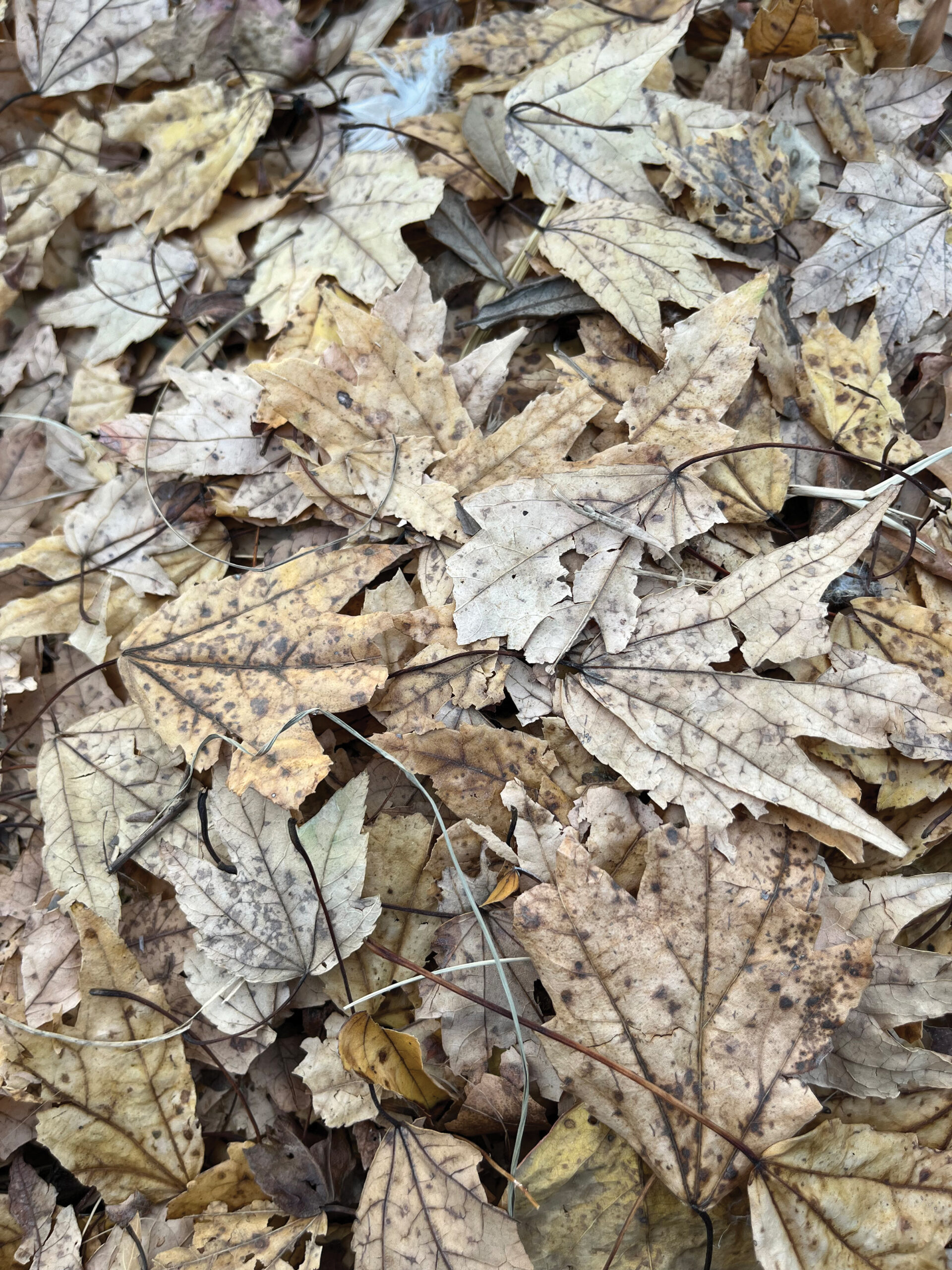
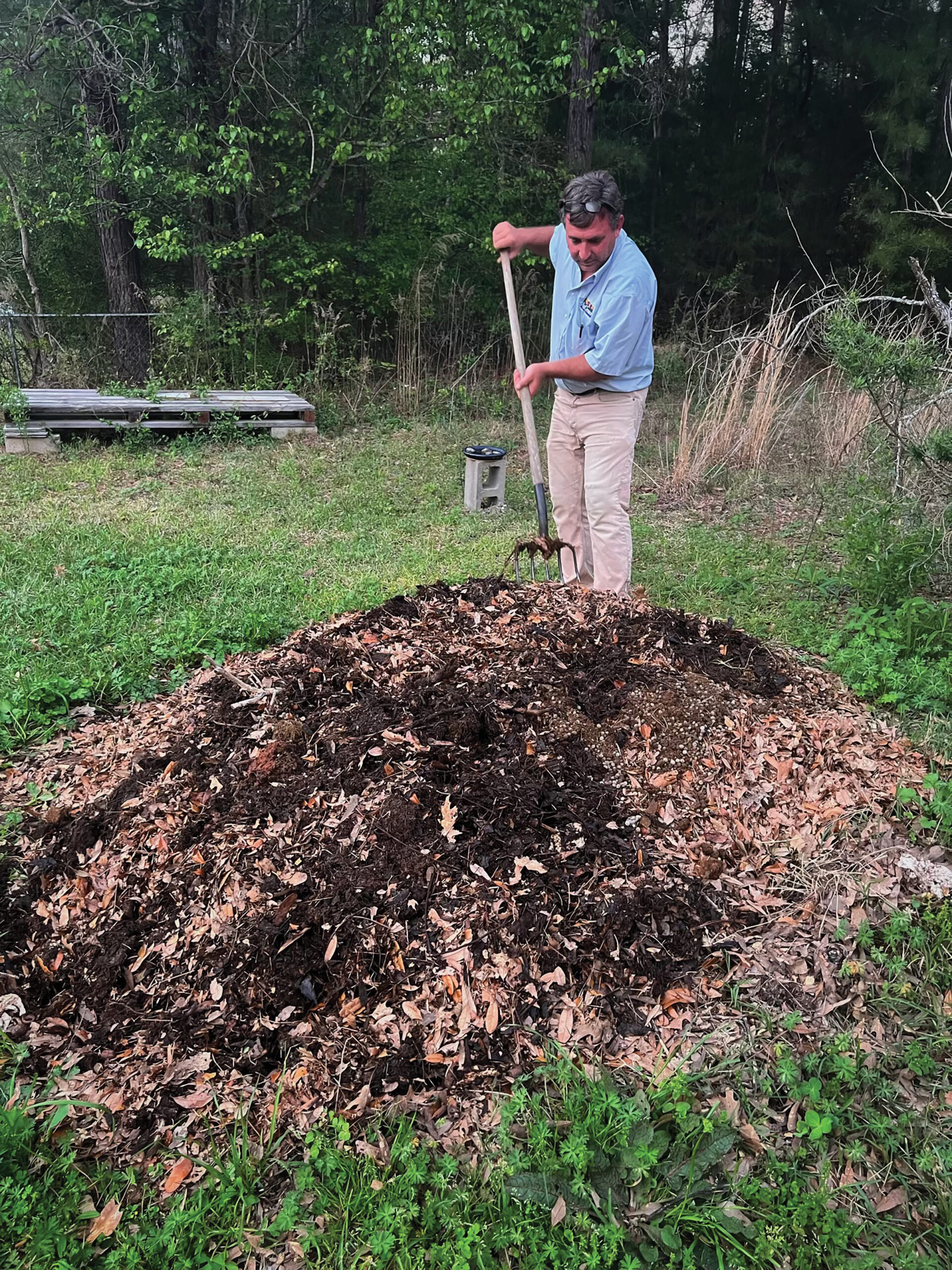
Fall is the perfect time to work on amending native soils in your landscape. If soil in a section of your garden has been tested and results indicate it needs liming, now is the time of year to do that. “Lime” refers to the chemical calcium carbonate. Dolomitic lime also contains magnesium, an important nutrient in chlorophyll production. Calcitic lime lacks magnesium. Liming agents are processed by soil microbes and often take at least two months to regulate the soil pH. Liming now, following soil test recommendations, will ensure your soil is at the optimum pH for spring planting. Soils in the ArkLaMiss tend to be acidic anyway, so a boost in pH will be beneficial for any plant that is not designated as “acid-loving.” Fall is also a great time to start a home composting pile. This is a soapbox I get on frequently and that’s because I have observed firsthand the benefits of composting, and I can’t think of a “greener” activity home gardeners can engage in for a more productive harvest. Compost is a great soil amendment for clay soils, too. Clay soil is fertile, but hard to work. Compost can fix that. Fallen leaves from your trees will also fix that. Folks, leaves are a valuable and underutilized resource for home gardens. Don’t rake your leaves up into a pile and strike a match to them. Put them to work for you. Yes, oak leaves will work perfectly! Chop those leaves up with your lawn mower so soil microbes will have more surface area to work on, and you won’t believe how quickly they are broken down and make clay soil easier to work. Use chopped leaves as mulch in your fall landscapes, too! They will help the soil retain moisture and will break down over time adding organic matter to the soil. Best of all, they’re free! Start amending soil now for spring planting and your plants will reward you all season long!
LAWNS
If they didn’t happen last month, November will likely bring the first freezing temperatures of the 2024-2025 winter season to our region, and lawns should be dormant by the end of this month or early December. No need for fertilizers at this point, otherwise any new growth that flushes during short warm spells will be susceptible to freeze damage. Thus, mowing should have completely stopped by now unless you’re growing ryegrass for a winter lawn. Cool weather annual weeds can be controlled now using herbicides labeled specifically for broadleaf weeds. Apply at the rate recommended on the package. Always read, understand, and follow the directions on any pesticide label and yes, herbicides are pesticides.
HOME ORCHARDS
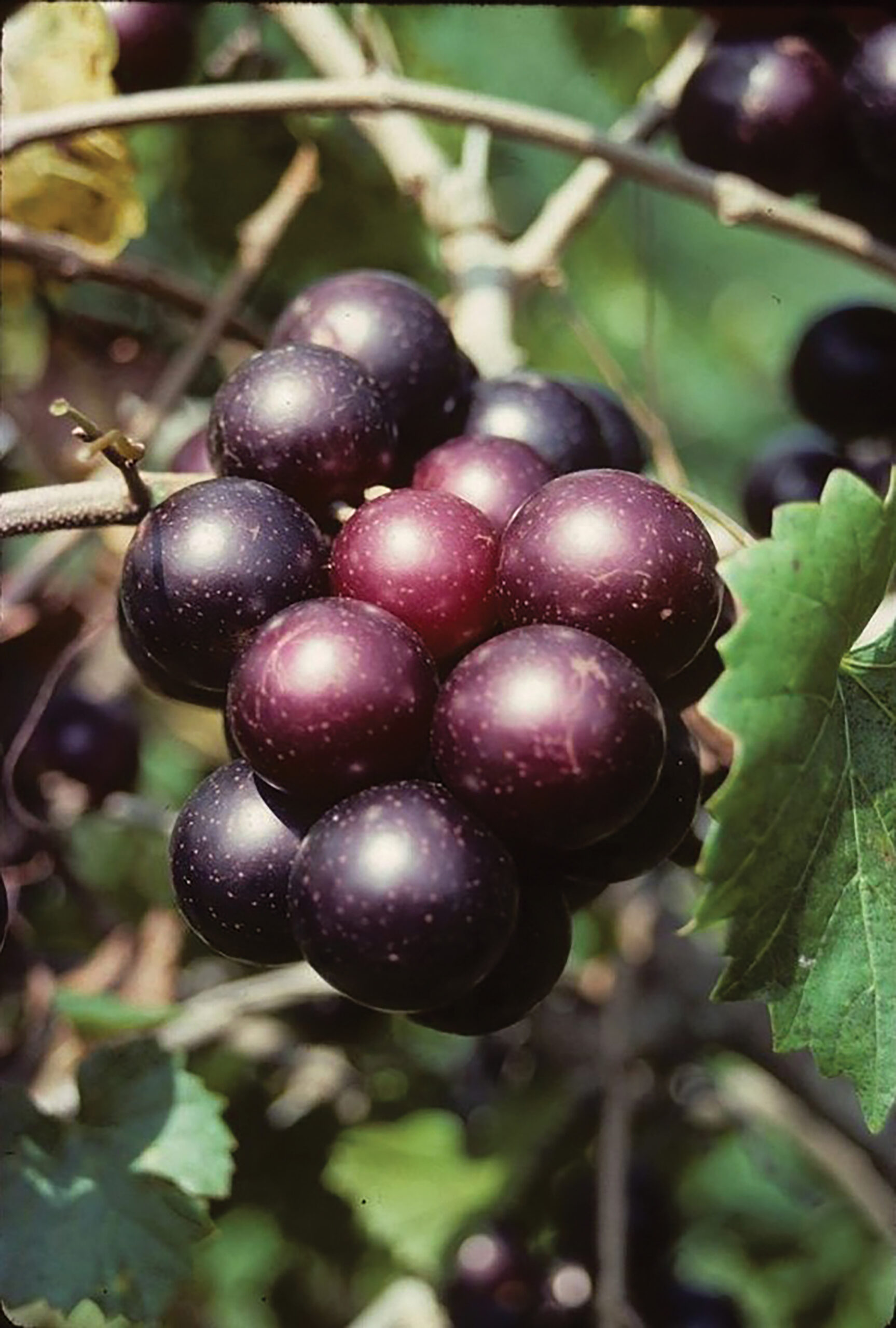
Plant fruit trees/vines/bushes now through February. Pay special attention to variety names when making selections at the garden center. For tree fruit, make selections for northern Louisiana based on chilling requirement, a rest period associated with dormancy. Each variety needs a specific number of hours of cold below 45 F. A good winter for the ArkLaMiss these days is around 800 chill hours. Blackberries, blueberries, and muscadines are all native to this area, and should perform wonderfully. Blueberries need an acidic soil, so no lime is required. Rabbiteye varieties are Louisiana Super Plants and are best suited for our area. For muscadines, look for self-fertile varieties if planting just a single vine. Many of the bronze varieties produce only female flowers and will need a self-fertile variety planted nearby for pollination. Always dig the planting hole two to three times wider than the pot or root ball so roots have plenty of room to expand outward. Don’t fertilize at planting. Wait until budbreak in spring to apply fertilizers. Most fruit trees love compost and aged manure, so be generous if that material is available.
THANKSGIVING
All of us at the LSU AgCenter wish you a very Happy Thanksgiving! Enjoy this magic time of year with friends and family and relish these fall days outdoors in your landscapes!