



In The Garden With Kerry Heafner
Lawns
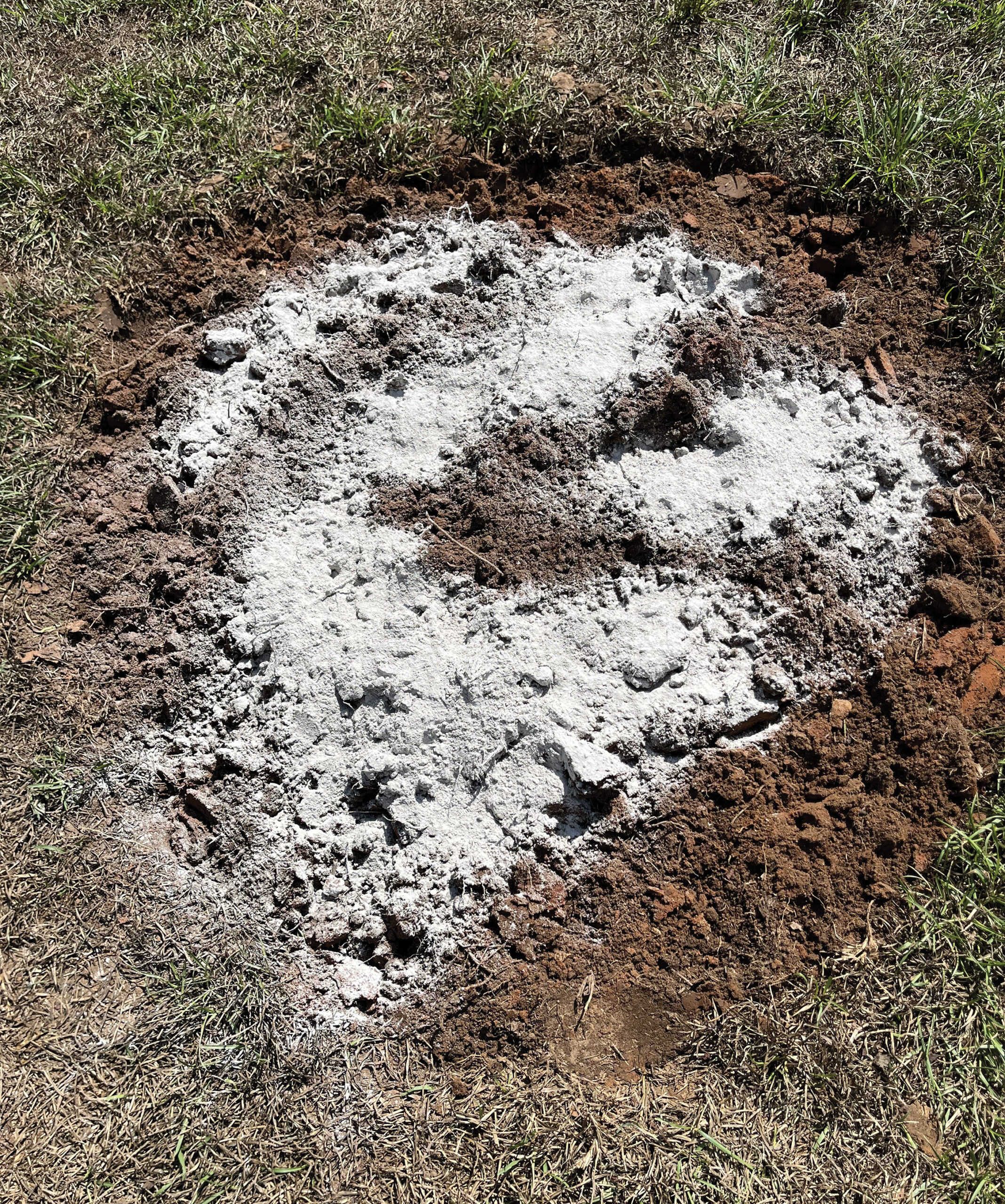
Some considerations need to be made for ArkLaMiss lawns as they go dormant for the winter. Frist, winterizing healthy lawns in our area generally isn’t necessary. However, if you must winterize your lawn, fertilizers with relatively low available nitrogen (N) and higher potassium (K) should be used. Potassium is available separately as soluble potash (Muriate of Potash 0-0-60) and encourages strong root development which will help grasses overwinter. Nitrogen applications during winter may encourage new shoot growth during warmer spells in November, December and January. This new growth will be susceptible to cold damage. Plus, turfgrasses coming out of dormancy prematurely will be stressed later in the season. Winter weeds will begin emerging now and gaining a foothold as southern turfgrasses go dormant. A preemergent herbicide will control the germination of seeds of winter weeds like bedstraw, burweed, chickweed, henbit, and wild geranium. Pre-emergent herbicide applications should have started last month but applications early this month will be beneficial. With cooler nights come heavy dews, and excess moisture may set the stage for fungal issues like Brown Patch but can be controlled with a recommended fungicide for lawns. For the last couple years, we have had our first frosts in October and lawns have headed toward dormancy sooner than they would have in an average season for our area. If this happens again this year, let your lawn go dormant on its own. Regular fertilizer applications should have ended by now, anyway.
SEASONAL COLOR
October is the month for planting spring-flowering bulbs, so get that done now through early next month. Early, mid, and late season varieties of daffodil work best in mass plantings across the landscape. Other bulbs such as windflower (Anemone sp.), ginger lily (Hedychium coronarium), Crocus spp., Crocosmia spp., and snowflake (Leucojum spp.) can all be planted this month, too, as well as the purple grape hyacinth (Muscari spp.). Generally, the depth of the planting hole should be twice the height of the bulb. Sunny locations are best. I get a lot of questions about tulips and my answer is always the same. Yes, some places around the community invest a lot of money and time into tulip plantings. But, they’re a one shot deal. Three days of bang for lots of bucks and the bulbs are removed and discarded. For the average home gardener in our area, tulips aren’t worth the expense and trouble. We just don’t get cold enough long enough.
Keep mums (Chrysanthemum sp.) popping by making sure the potting medium stays moist. Drainage is key, so make sure the pots have holes for excess water drainage. Deadheading will encourage new flowers and help mums last longer. Spent flowers left to dry on the plant will encourage insect and fungal pests. Removing them will extend the life of mums. Place mums in sunny locations for maximum color. Don’t be surprised if you find moving mums to a larger pot to be necessary because the root system it still growing despite the stems and leaves growing to only a certain size.
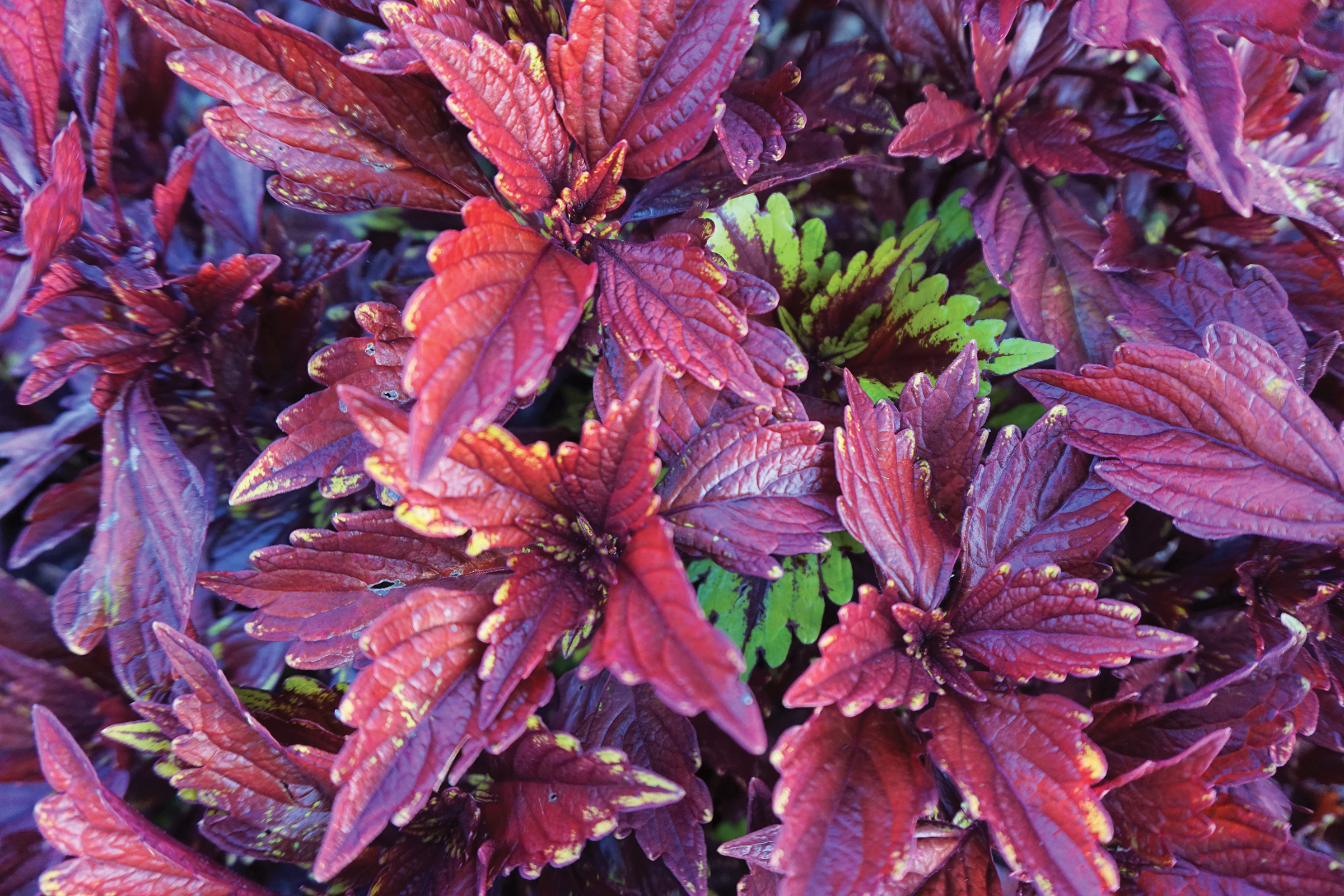
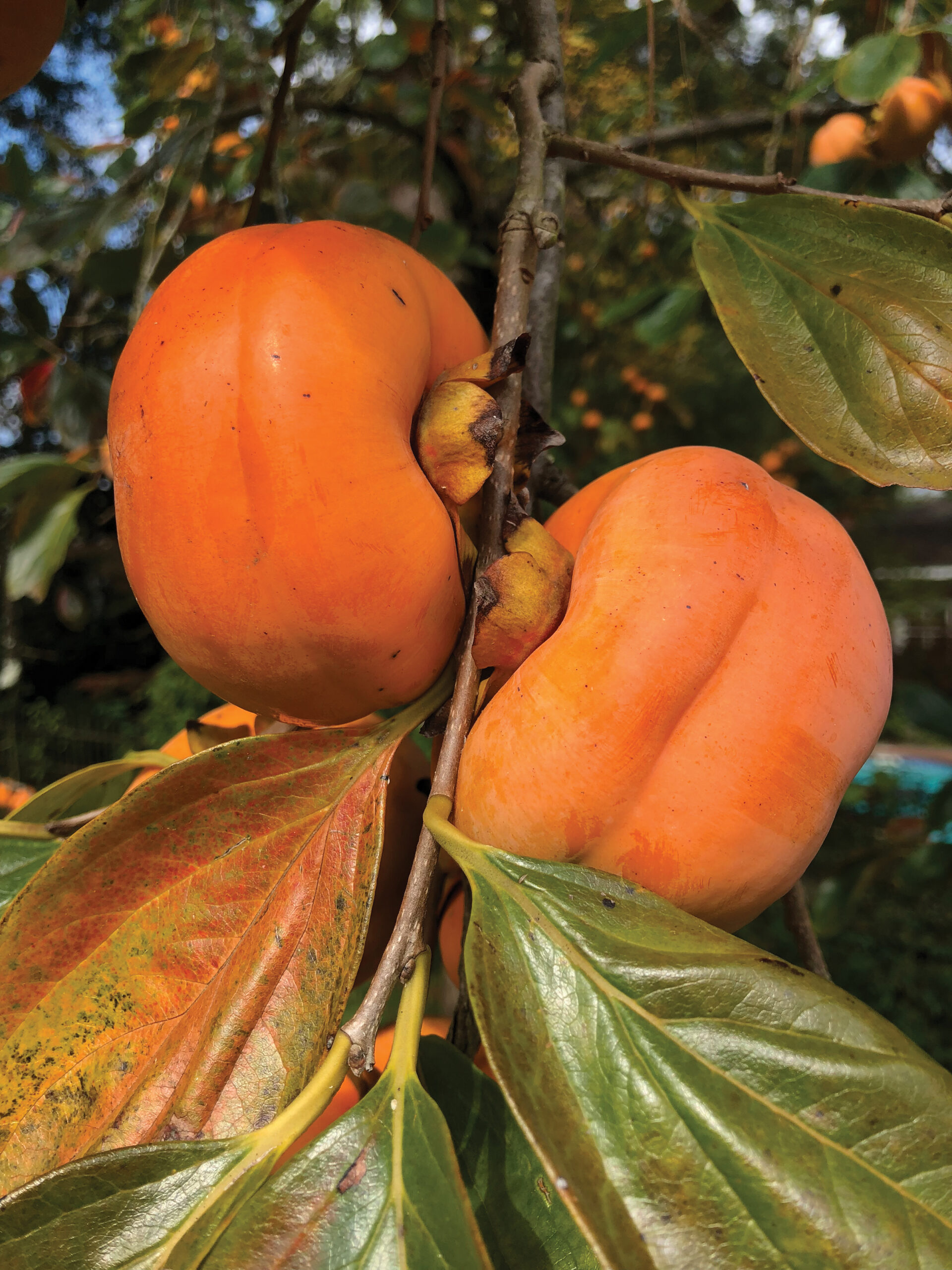
Don’t forget to use foliage for fall color, too! In addition to Crotons, think about using Coelus for all kinds of fall color and texture. Specifically, look at the ‘Flame Thrower’ series, all varieties of which are Louisiana Super Plant selections. Coleus is associated more with warm season color, but because of more moderate temperatures in fall, you’ll be amazed at how the ‘Flame Throwers’ perform as fall foliage. They’ve formed mounds in beds at the LSU AgCenter’s Red River Research Station in Bossier City. Their foliage has brilliant oranges, yellows, and reds which add much more color to the fall displays. “Spicey” might even describe ‘Flame Throwers’ with variety names like ‘Chili Peppers,’ ‘Salsa Roja,’ ‘Serrano,’ and ‘Habanero.’ Warm colors on cool, fall days are what the ‘Flame Thrower’ series of Coleus is all about! Don’t forget about ornamental peppers, too, because all varieties are Louisiana Super Plants. Ornamental peppers are a fun way to add color using…fruit. That’s right, peppers are fruit, and the variety of sizes and colors is amazing. Ornamental peppers may be too hot for most tastes to use in the kitchen. But, incorporating a variety of them into your fall décor will brighten up any area. Another great way to add color using fruit is to use persimmons. Whether American (Diospyros virginiana) or the so-called Japanese persimmon (D. kaki), ripe persimmons look like small pumpkins hanging on a tree! Both are edible, but…and this is a big “but” … American persimmons must be dead ripe before they’re edible. The same goes for astringent varieties of Japanese persimmon. Persimmons are great options for the home landscape because in addition to fall colors and edible fruit, they will attract wildlife, both feathered and furred.
FRUIT TREES
Speaking of fruit in the home landscape, fall is the perfect time to plan out a home orchard. Your first step is a soil test. The LSU AgCenter’s soil testing lab will measure soil pH accurate to two decimal places, as well as perform nutrient level analyses so you’ll know exactly where your soil stands in terms of nutrient levels. Based on that information, the lab will make specific recommendations regarding specific amendments you’ll need to add to your soil to prepare it for fruit trees, or vines, or shrubs. Most fruit-producing plants typically planted in the ArkLaMiss need a soil pH ranging anywhere from 6.0 to about 6.8. Blueberries are the exception as they perform best in acidic soils where pH ranges anywhere from about 4.8 to 5.8. Fruit trees and vines perform best in locations that get full sun all day and in soils that will stay moist but have good internal and external drainage. If your soil text results indicate a liming application is necessary, and it probably will for just about everything other than blueberries, then fall is the perfect time to add lime so it has all winter to do its thing. Wood ashes from the fireplace will also raise a soil’s pH, but it will do so rapidly, and possibly too rapidly. In fact, you may overshoot and a soil pH that’s too high is just as unproductive as one that’s too low. Fallen leaves raked up in the yard will help break up clay soils, as will planting a cover crop like Daikon radishes. Don’t be afraid of soil with high clay content. They’re not infertile; they’re just difficult to cultivate. But this is easily remedied with the addition of organic matter. Fallen leaves will break down faster if they’re either put through a shredder or chopped up with a lawn mower first. And, don’t forget that fruit trees LOVE compost! So, if you’re not composting at home, fall is a great time to start a home compost pile. It’s easier than think and takes no more time than taking the garbage out. Only if you’re composting, you’ll be taking much less garbage to the curb. Save your plant-based kitchen scraps like banana peels, coffee grounds, apple cores, paper towels, etc. and combine them with leaves, grass clippings, and other debris from routine yard clean up. Just make a pile in an area of your property with this material, wet it down, and let her rip!
We can talk about what fruit trees to plant next month!