



In the Garden With Kerry Heafner
LAWNS
Deep South lawns may be fertilized this month through early August with one or two pounds of actual nitrogen per 1,000 square feet. For complete fertilizers (those with all three numbers on the front of the bag with values higher than zero), this translates into about seven pounds of 13-13-13 or 12 pounds of 8-8-8 per 1,000 square feet. Make sure any fertilizers applied to lawns during these summer months are adequately watered in. If you’re satisfied with how your lawn looks, and perhaps more importantly, how often you’re mowing, then you may skip this fertilizer application and start looking ahead to late summer/early fall.
Too much water during these hot months can cause just as many problems as too little water. Try to water lawns less frequently, but more deeply, for longer periods at a time. This will promote a healthy root system and allow turfgrasses to be more resistant to pests. Water to a depth of 6 to 8 inches (1 to 1.5 inches of water) once a week. This will work best for lawns that have been aerated and dethatched. Water between 4:00 and 8:00 a.m. to allow good percolation and for residual water to evaporate as daytime temperatures increase. Excess water pooling in low spots can lead to a lawn staying soggy, and this can lead to fungal issues and the colonization of weeds like dollar weed (Hydrocotyle sp.).
Maintaining turfgrasses at the recommended height will keep lawns lush and healthy, too. St. Augustinegrass should be maintained at about three inches, while Bermudagrass, Centipedegrass, and Zoysiagrass can be maintained at an inch or inch and half. Scalping your lawn is never recommended as it will only stress your lawn and allow weeds to colonize.
ORNAMENTALS
Keeping beds mulched will help conserve water. Water flower beds as recommended for lawns: deeper and less frequent. If possible, use either drip irrigation or soaker hoses. This way, water is delivered exactly to where it needs to go (the roots) and stays off foliage where it may exacerbate fungal problems. Container gardening has its advantages this time of year. Plants can be moved into shadier areas during the hottest part of the afternoon and be moved back again when evening temperatures moderate. Containers and raised beds will need more frequent watering now.
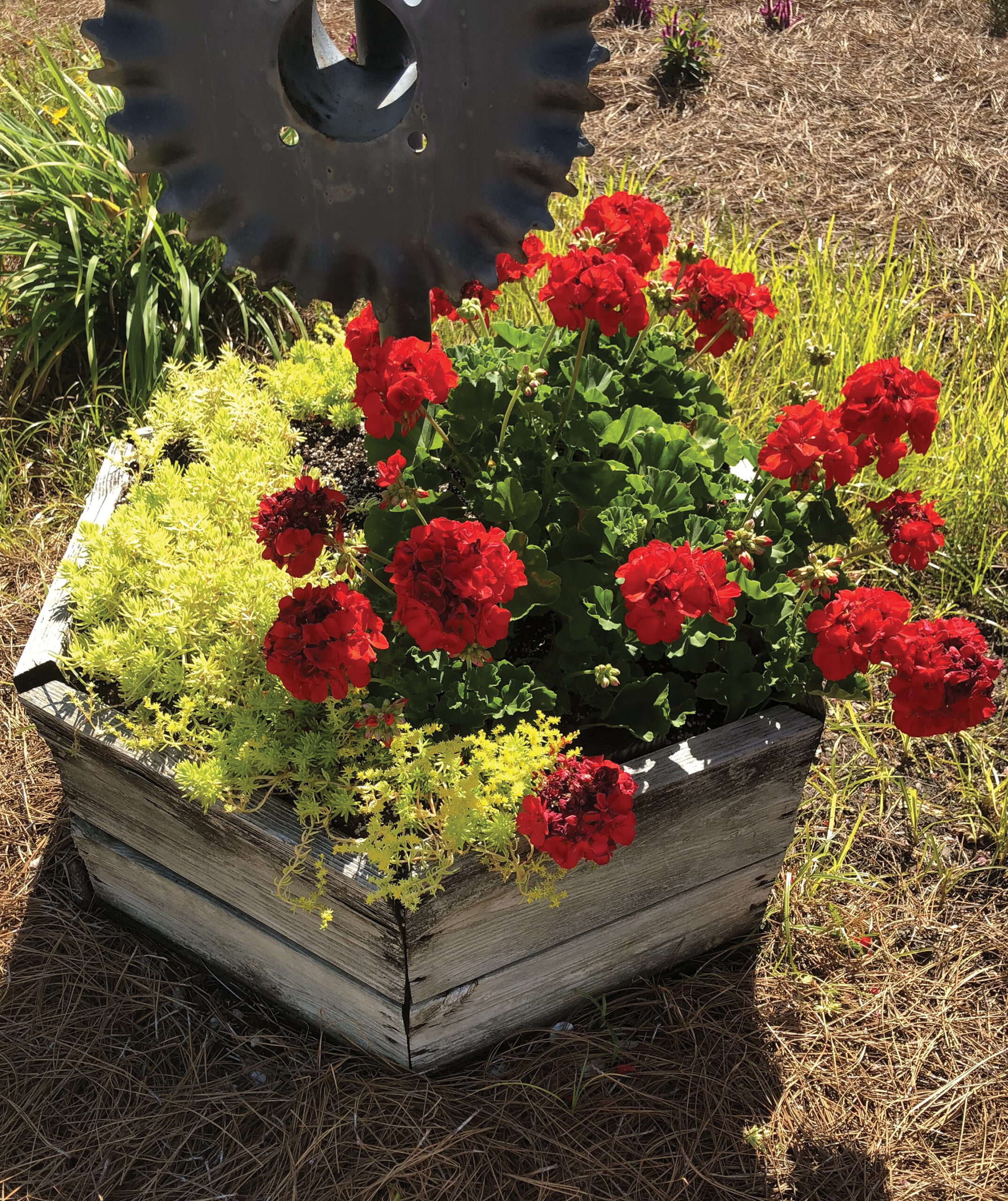
Do you notice any exceptionally heat-tolerant plants in your landscape? Several of the Louisiana Super Plants will stand up to these hottest summer months. First, Lemon sedum is a fantastic way to add color and texture using foliage. The two main varieties are Lemon Ball and Lemon Coral. Bright chartreuse leaves of this succulent plant work great as a border or even as a spiller in a basket or container arrangement. And Lemon Sedum is a perennial so once you plant it, it’s there! A nice mulch of pine straw will provide a background for an explosion of bright color.
If we talk about hot weather, then let’s also talk about ‘Senorita Rosalita’ Cleome! ArkLaMiss summers are no match for ‘Senorita Rosalita’ Cleome, and it will attract a wide array of insect pollinators and hummingbirds to your landscape. Planting ‘Senorita Rosalita’ is a fantastic way to add height, too, for a colorful focal point in any sunny bed. Underplant with ‘Serena’ Angelonia or ‘Serenita Raspberry’ Angelonia and you’ll be right in business. ‘Senorita Rosalita’ Cleome will flower until the first severe frost takes it out.
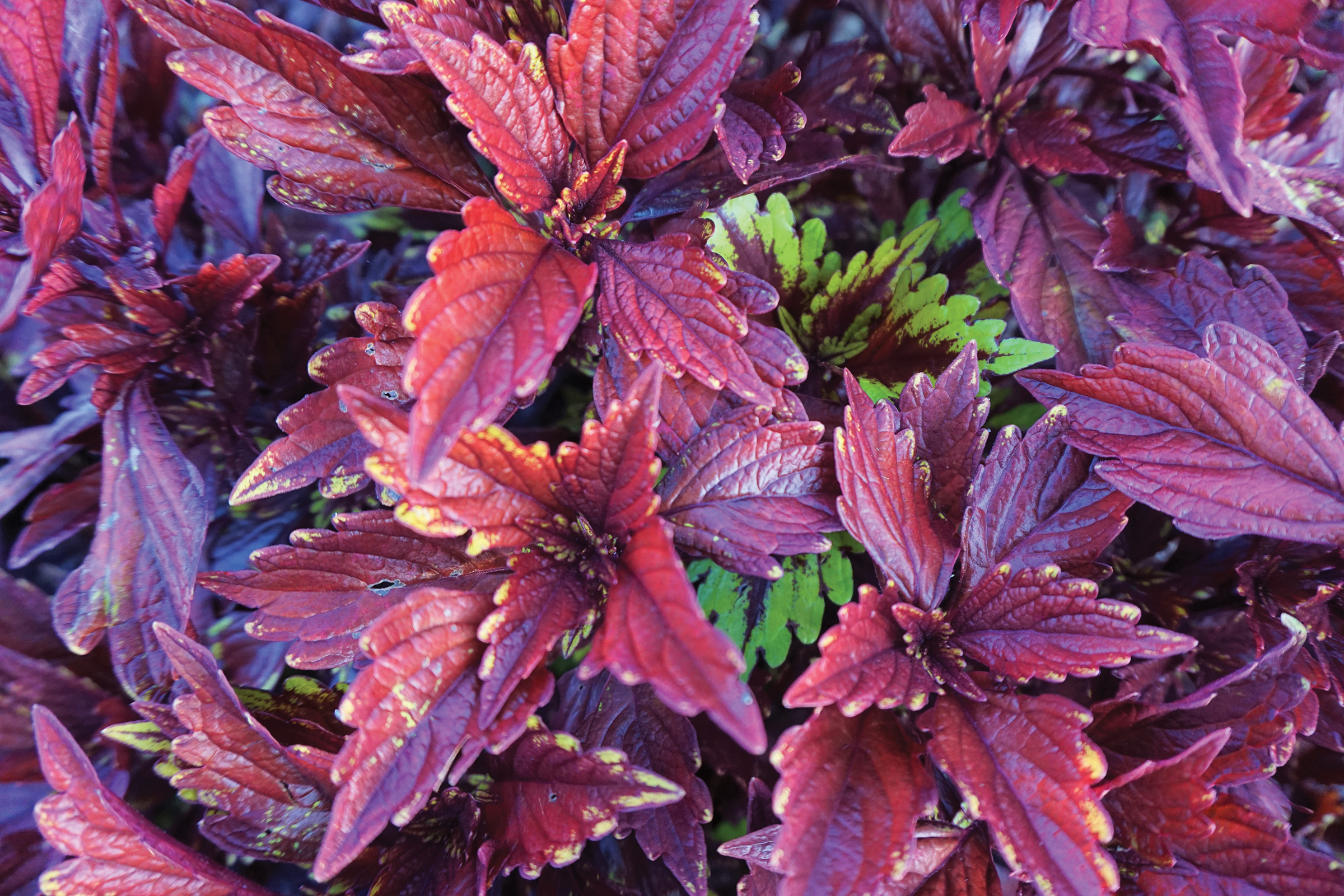
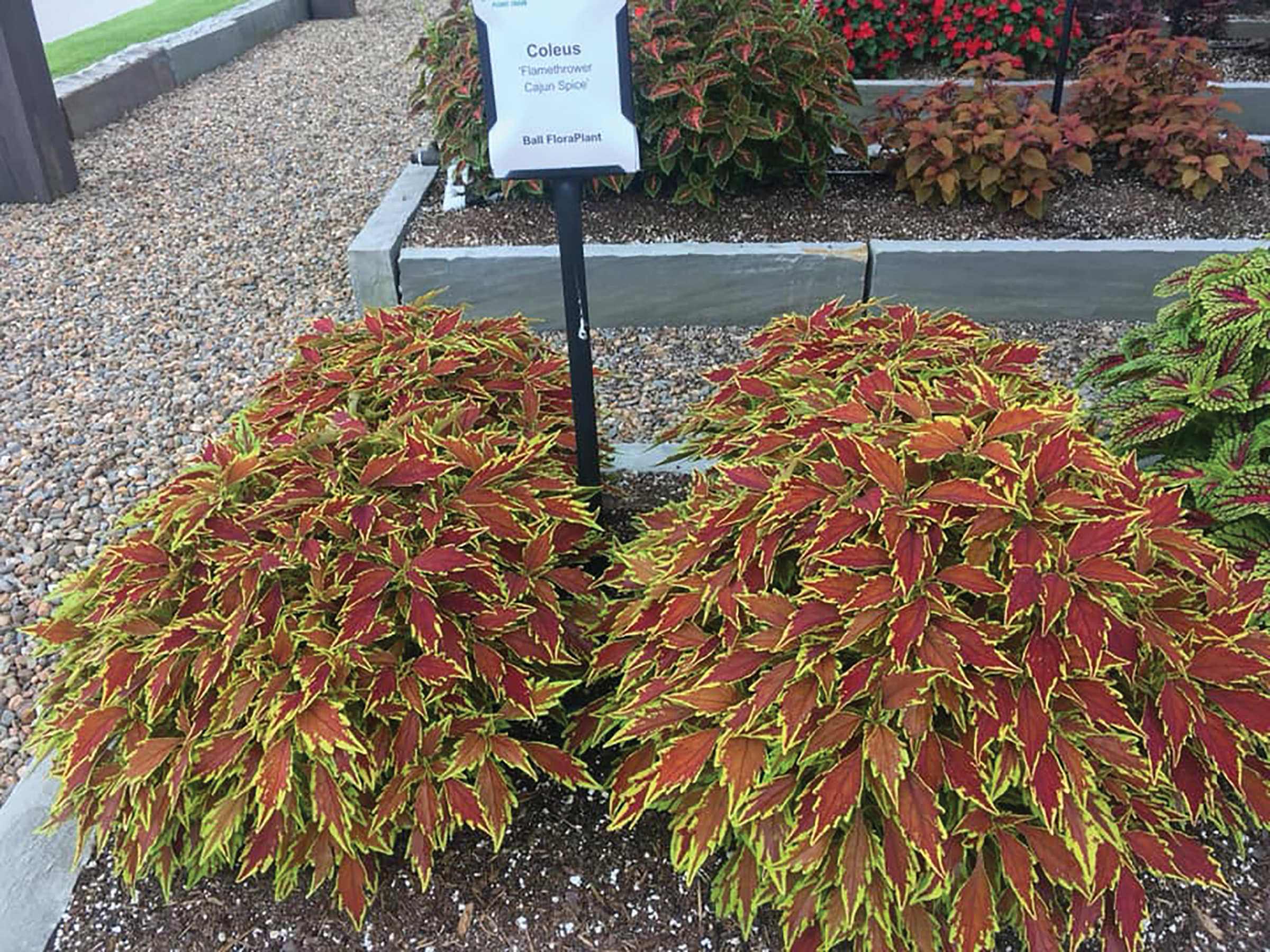
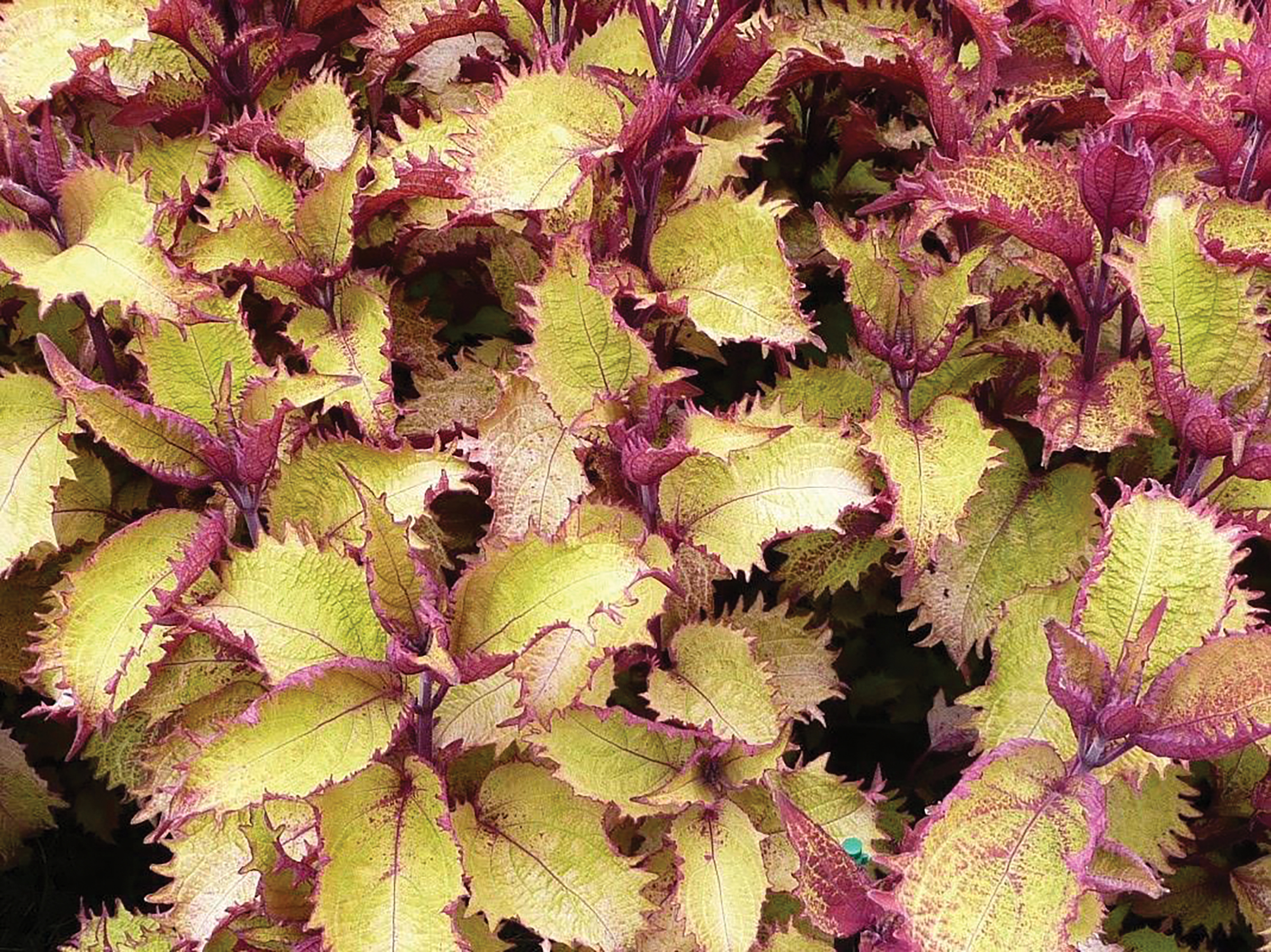
To continue adding color and texture with foliage instead of flowers, look at ‘Flame Thrower’ and ‘Henna’ Coleus. ‘Henna’ is a full sun Coleus with leaves that are bright chartreuse on top and deep magenta on the bottom. The ‘Flame Thrower’ series of coleus will give you a lot of options for bright colors using foliage and with varieties like ‘Cajun Spice,’ ‘Siracha,’ and ‘Habanero,’ you know this summer is going to be hot in your flower beds.! You can even use different varieties of the ‘Flame Thrower’ series in a single container for an explosion of color that will last all summer long. Look for all members of the ‘Flame Thrower’ series of Coleus and ‘Henna’ Coleus at garden centers and you won’t be disappointed!
Finally, don’t go through summer without adding Pentas to your warm season annual beds, specifically look for varieties in the ‘Lucky Star’ and ‘Butterfly’ series. Adding these to your pollinator garden will keep your landscape buzzing all through summer. With eight varieties in the ‘Butterfly’ series and seven varieties in the ‘Lucky Star’ series you’ll want one of each and so will the pollinators that are drawn to your landscape!
So, these are some more Louisiana Super Plant selections that will make your summer landscape pop and draw an almost infinite number of insect pollinators to your gardens. Always check out the list of Louisiana Super Plants on our website, lsuagcenter.com, or find us on Facebook at LSU AgCenter Louisiana Super Plants.
VEGETABLES
Watermelons, cantaloupes, field peas, okra, and peppers should see peak production during these hot months. A second crop of cucumbers can be planted when the spring crop plays out. As other spring veggies end their run, start getting rows for cool-season vegetables ready for planting next month! Apply pre-plant fertilizers at the recommended rates: beets, broccoli, Brussels sprouts, cabbage, carrots, and cauliflower will use a half pound of 8-24-24 or 13-13-13 per 10 ft. row. Starting seeds for fall tomatoes now should yield garden-ready transplants by late August/early September.
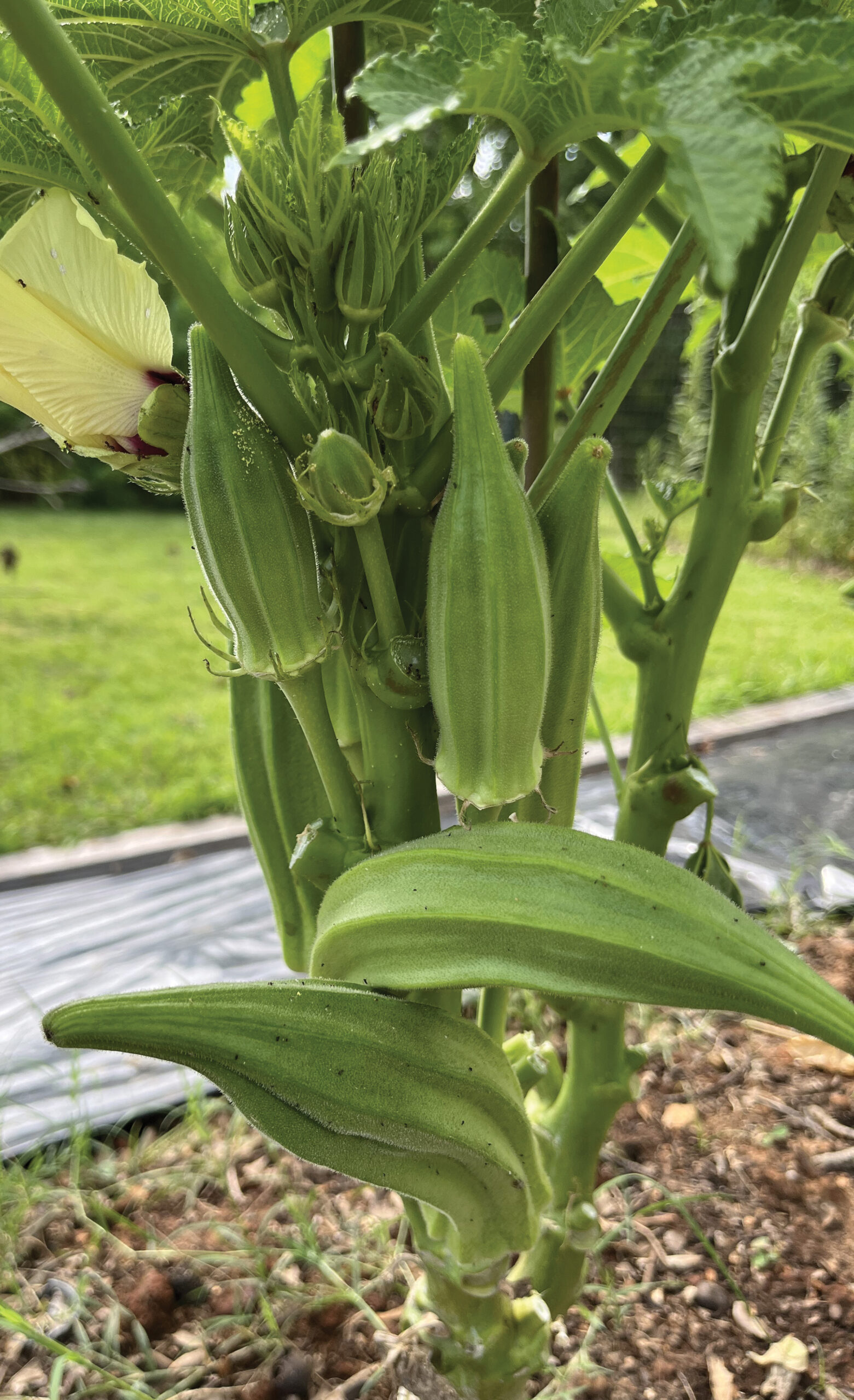
Okra should be hitting its stride this month. If you’re not growing okra, you should be! Okra is in the hibiscus family, and it loves our summer heat. Okra flowers have an ornamental quality all their own, calling out to pollinators like a big, bright neon sign. So, consider adding an okra plant here and there to ornamental beds if they get full sun. There are many okra varieties to choose from and you can’t go wrong with any of them. ‘Cowhorn’ varieties produce pods that remain tender up to ten inches or more long. ‘Gold Coast’ and ‘Louisiana Green Velvet’ are two LSU varieties developed specifically for our heat and humidity. ‘Clemson Spineless’ and ‘Emerald Evergreen’ are also popular varieties, and there are numerous others out there. Many okra varieties are open-pollinated so their seeds will breed true and can be saved for next season’s crop. To save okra seeds, simply let a pod or two mature, dry, and begin to split while still on the plant. Mature seeds are dark colored and roughly the size of a bb or a little larger. One or two pods should give you all the seeds needed for next year and then some. Keep okra seeds viable by storing them in a cool, dry, dark place, preferably in an airtight container or jar.
Be safe out there, folks. Get out in your gardens in the morning or in the evening. If you’re out during the hottest part of the day, take frequent breaks, drink plenty of water, and wear loose, light-colored clothing.
See you next month!