



Historical Impressions | Planning and Deception
by Guy Miller, Vice Chair Emeritus, Chennault Aviation and Military Museum
It was to be the largest assault operation in history – and executed as the greatest deception of the war. We know it today as D-Day.
Eighty years ago, the world witnessed one of the most pivotal moments of the 20th century- the Allied invasion of Normandy on June 6, 1944. While much of the focus rightfully falls on the bravery and sacrifice of the soldiers who stormed the beaches that day, the preparation leading up to D-Day was equally monumental.
In all of military history, few operations have rivaled the sheer scale and complexity of the Allied invasion of Normandy. The planning for D-Day actually began in late 1943 when Allied leaders recognized the need for a significant operation to establish a western front against Nazi Germany. Code-named Operation Overlord, this invasion required meticulous planning, coordination and, most importantly, a staging area that could support the massive logistical requirements of such an endeavor.
Troops, equipment, and supplies from across the globe poured into military bases, ports, and airfields across England. The logistical challenge was immense, requiring the coordination of thousands of ships, aircraft, and vehicles. England’s existing infrastructure was expanded and adapted to accommodate the influx of personnel and materiel with new ports and airstrips hastily constructed to support the massive buildup. Allied soldiers underwent rigorous physical conditioning, weapons training and rehearsals for the assault. The rugged terrain of England’s coastline, with its cliffs and beaches reminiscent of those in Normandy, provided an ideal backdrop for practicing amphibious landings and combat maneuvers.
In the months leading up to D-Day, Allied naval forces, including British, American, and Canadian vessels, waged a relentless campaign to secure control of the seas. Convoy escorts, anti-submarine patrols, and strategic bombing raids targeted German naval assets, gradually turning the tide in favor of the Allies.
But the success of the D-Day landings hinged not only on the bravery of the soldiers storming the beaches but also on the ability to deceive the German high command about the time and location of the invasion. Central to the deception efforts was “Operation Bodyguard,” a comprehensive plan aimed at misleading the Germans about the Allied intentions. This multifaceted operation employed a range of tactics, from double agents feeding false information to the creation of fictional military units and a phantom army led by arguably the most audacious general in the European theater.
Lieutenant General George S. Patton was champing at the bit to get back into action but Supreme Allied Commander General Eisenhower had other plans. Eisenhower knew the German High Command had more respect for Patton than for any other Allied commander and considered him to be central to any plan to invade Europe from England. Because of this, Patton was made a prominent figure in a deception scheme called Operation Fortitude during the first half of 1944.
Through the British network of double-agents, the Allies fed German intelligence a steady stream of false intelligence. One of the most effective double agents, Juan Pujol García (code-named “Garbo”), carefully crafted fabricated intelligence reports that convinced the German high command that the main Allied invasion would target the Pas de Calais- the shortest route between England and France, leading them to keep vital reinforcements away from Normandy.
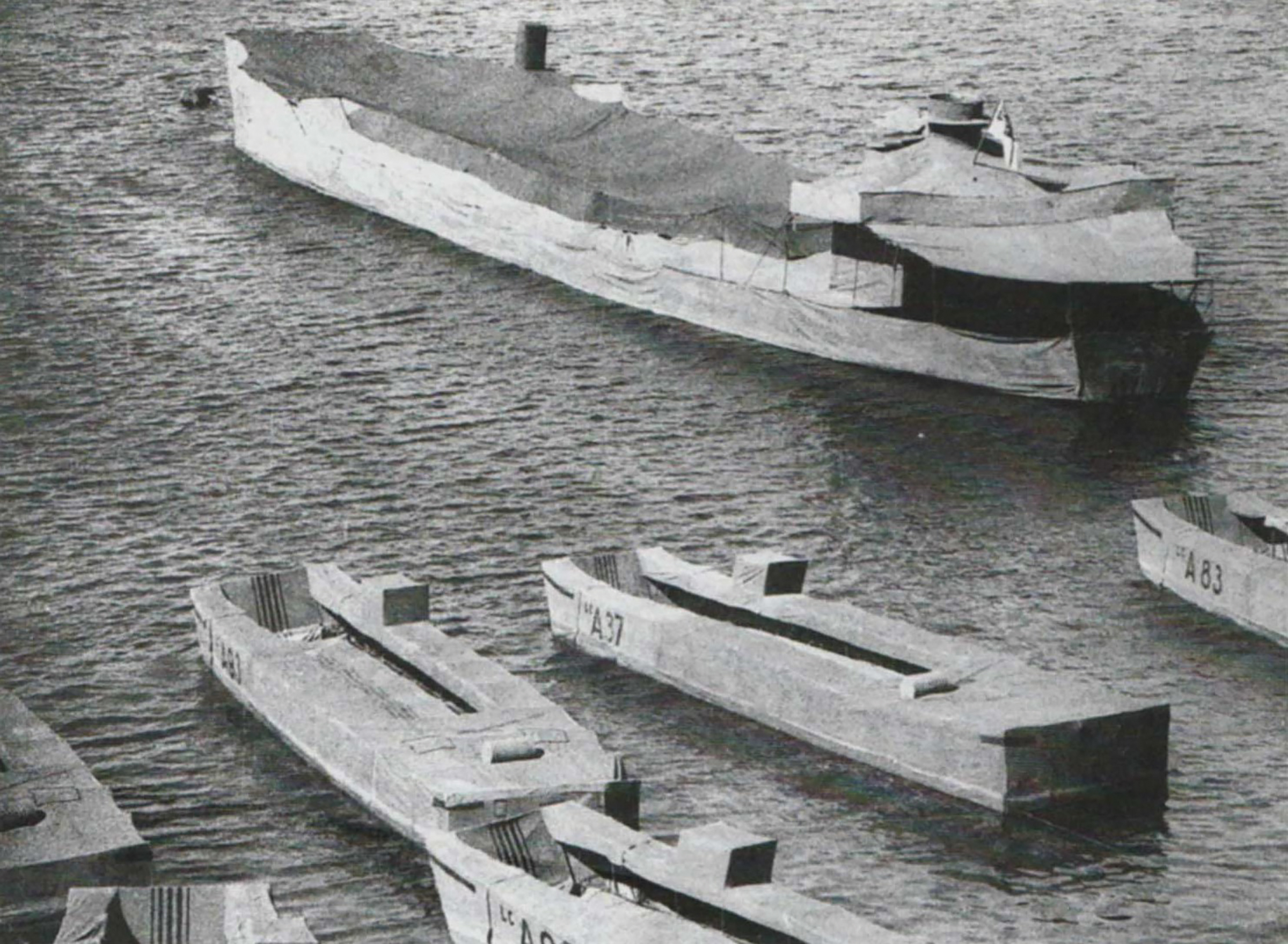
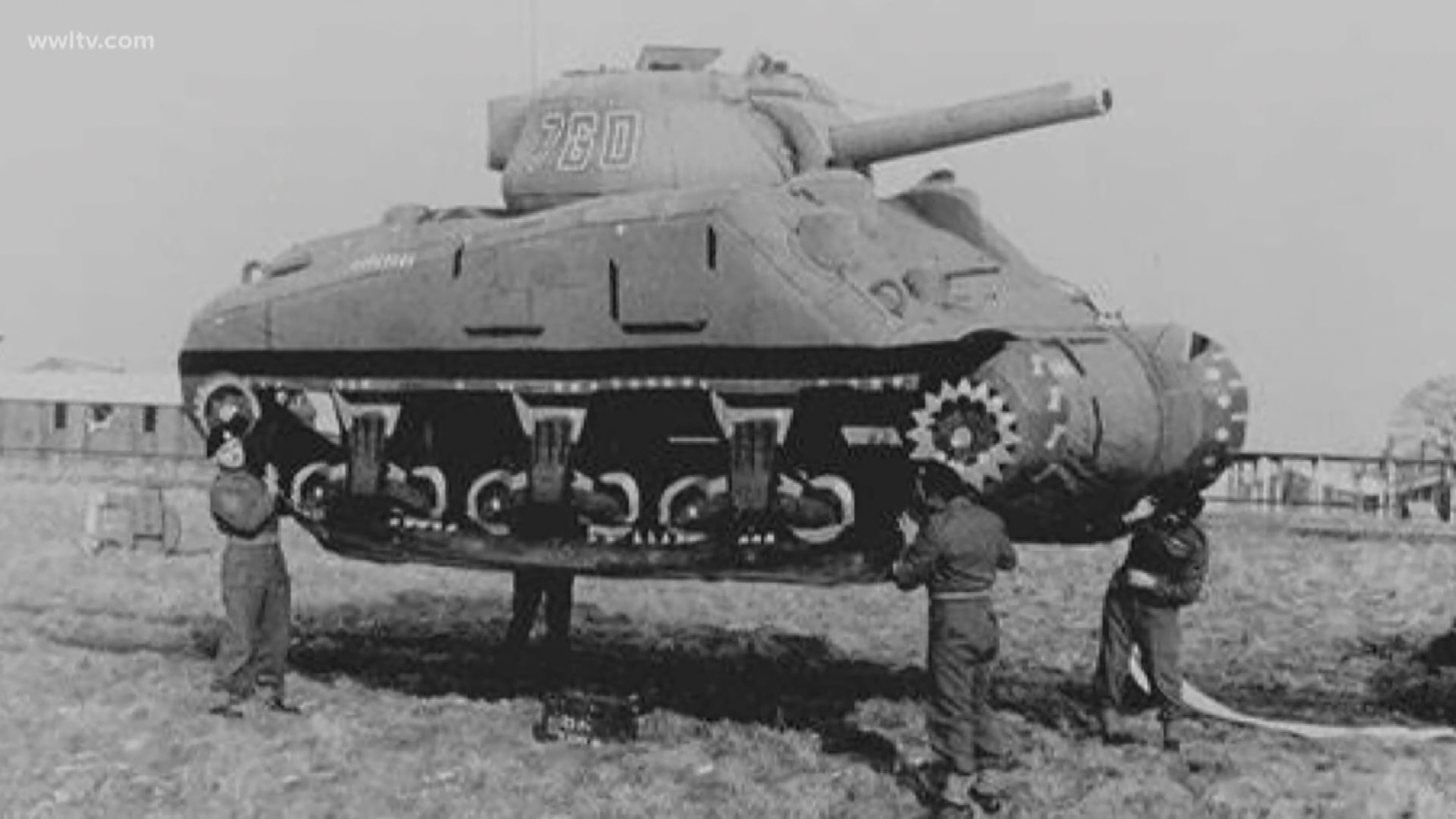
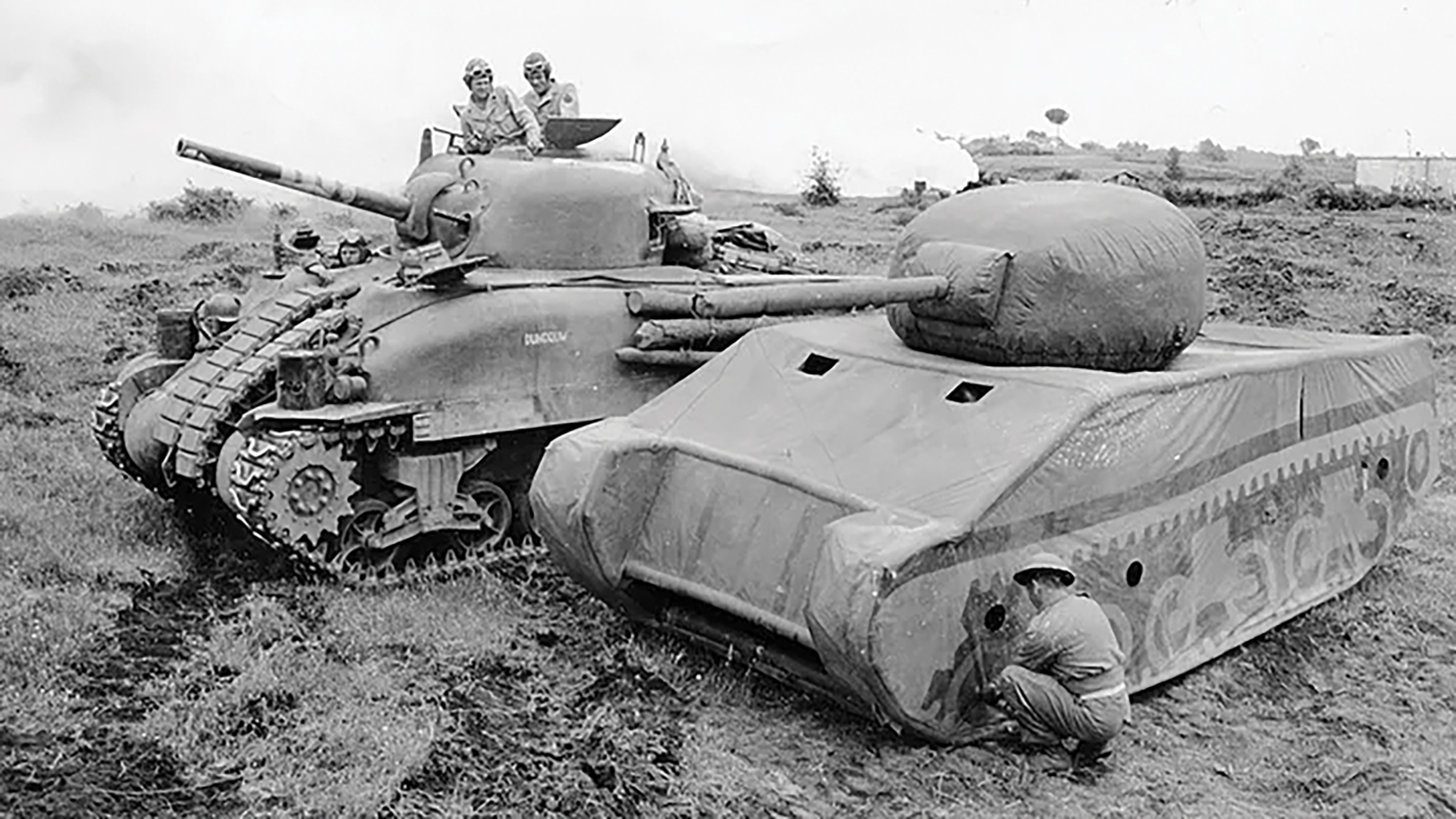
Other false information given to the Germans was that Patton had been named commander of the First United States Army Group (FUSAG) which was established as an invasion force to be used at Pas de Calais. FUSAG was in reality an intricately constructed fictitious army and fake radio signal traffic based around Dover to make Axis leaders believe that a large force was massing there. Decoys and props such as fake landing craft and inflatable tanks, trucks, and artillery aided in the deception. Allied planners did everything possible to mask the real location of the invasion as Normandy.
The usually highly-visible Patton was ordered to keep a low profile to deceive the Germans into thinking that he was in Dover with FUSAG throughout early 1944 instead of his true assignment training the Third Army. As a result of Operation Fortitude, the German 15th Army remained at the Pas de Calais to defend against Patton’s supposed attack. So strong was their conviction that this was the main landing area that the German army held its position there even after the invasion of Normandy on June 6, 1944, believing landing to be a diversionary force.
On the eve of D-Day, the culmination of months of planning and deception, the Allied forces launched their assault on the Normandy coast. Despite adverse weather conditions and fierce German resistance, the element of surprise afforded by the deception efforts proved crucial to the success of the operation. Within weeks, the Allies had established a firm foothold in Normandy. D-Day thus became a turning point in World War II as it paved the way for the liberation of Europe and the eventual defeat of Nazi Germany.
The legacy of D-Day’s deception endures as a testament to the power of strategic misdirection in warfare. By outthinking their adversaries and exploiting the fog of war, the Allied planners achieved the impossible, turning the tide of World War II in favor of the Allied forces.
What happened to the bold and audacious yet sidelined Patton? He flew to France a month after D-Day and returned to combat command with the Third Army. His peak of fame was yet to come.